


FLASH NEWS
Do you have a cold or the flu?! How to tell and treat it

2025-01-29 08:11:49 / JETË
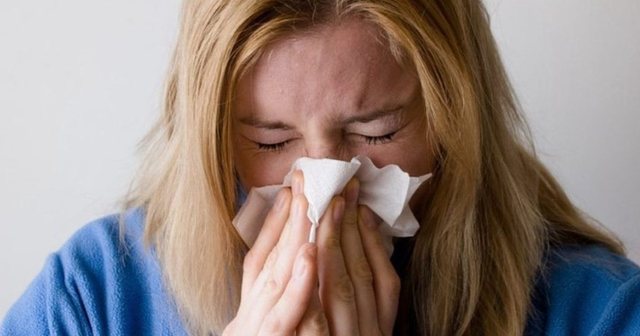
Colds and flu have many symptoms in common.
Sometimes it is very difficult to distinguish between the two based on these symptoms alone.
What you need to know about colds and flu
Both diseases are caused by viruses, but these viruses are different.
The virus or viruses that cause the flu cause more damage to the body than the viruses responsible for the common cold.
Flu and colds are illnesses that affect the respiratory system.
The flu is more dangerous and causes serious problems.
What is the Cold Disease?
A cold is a viral infection of the upper respiratory system, which includes the nose, throat, sinuses, trachea, laryngitis, and bronchial tubes.
The common cold is caused by at least 200 different viruses that are contagious and transmitted to others.
A cold has an incubation period of one to seven days.
Its duration is 7 to 10 days but can last up to two weeks.
What are Viruses and Flu?
Influenza is a viral infection of the upper or lower respiratory system caused by viruses.
Viruses cause a lot of damage to the respiratory tract.
Influenza is a contagious disease and has an incubation period of one to four days.
The flu lasts from 5 days to two weeks depending on the infection.
The flu has the potential to become a deadly disease in some people with weakened immune systems.
Causes and risk factors
Influenza is caused by viruses belonging to two categories: influenza A or influenza B.
The common cold is usually caused by rhinoviruses, but there are about 200 viruses responsible for this disease.
The risk factors for both diseases are similar.
Close contact with a sick person. This contact is achieved through saliva or products touched by the sick person, such as towels, toothbrushes, or glasses of water.
Contact with objects touched by the sick person, such as door handles and other everyday items.
The risk is greater in people with weak immune systems.
Children and the elderly are more susceptible to these viruses.
Stress, smoking, and lack of sleep increase the risk of infection.
People who do not get the flu vaccine are more likely to get sick due to the large number of viruses.
How to tell the difference between the two diseases
In the initial stage of each of the diseases it is difficult to distinguish, but as the days pass the situation becomes clearer.
According to AgroWeb.org experts, the flu is accompanied by fever, while a cold is rarely accompanied by a fever.
The flu is accompanied by severe muscle pain and headaches.
A cold is accompanied by a slight cough, while in the case of the flu the cough is more severe. The feeling of being runny is stronger in the case of the flu.
Both diseases cause sore throats and nasal discharge.
Flu symptoms develop over 3 to 6 hours, while cold symptoms develop more slowly.
The symptoms of the flu are more severe compared to those of the cold.
If you have difficulty breathing, a sore throat, a cough with green-tinged secretions, chest pain, and a high fever, you should see a doctor immediately.
The elderly, pregnant women, people with diabetes, and children under 2 years of age are at greater risk from the flu.
Home Treatments and Cures
The best home remedies for colds and flu are similar.
High doses of vitamin C, exposure to humid air, steam baths, gargling with salt water, compresses, tea with honey, lemon and ginger, and others are usually recommended.
AgroWeb.org reminds you that home remedies alleviate the symptoms of diseases but do not cure them.
Can diseases be prevented?
Flu and colds can be prevented, but this is not easy because it requires avoiding any contact with objects touched by other potentially infected people.
AgroWeb.org recommends that you wash your hands regularly and avoid close contact with infected people and objects touched by them./ AgroWeb.org
Happening now...














83 mandates are not immunity for Rama's friends
Nga Gentian Gaba
ideas

"Preliminary sentence for Belinda Balluku", response to Baton Haxhiu
Nga Blendi Kajsiu

Teatri që fsheh prapaskenën
Nga Patrik Sadikaj

Berisha's red line and the black line of democracy in the DP
Besmir Semanaj
top



Alfa recipes


TRENDING 




services
- POLICE129
- STREET POLICE126
- AMBULANCE112
- FIREFIGHTER128