


FLASH NEWS
Multivitamins/How they can harm your immune system

2025-07-06 00:05:34 / JETË
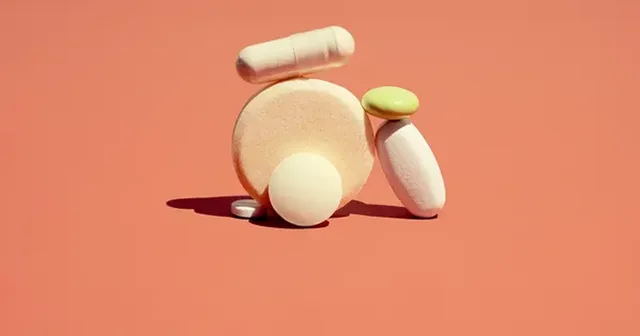
The immune system is a complex network of cells, proteins, and organs that protects the body from infections.
However, despite its essential role, most people do not need supplements to "boost" it.
The idea that the immune system needs a “boost” is vague and potentially dangerous. The increase in immune cells is not always positive and can lead to problems like autoimmune diseases.
According to Dr. Bobby Cherayil, the immune system functions very well on its own, as long as a healthy lifestyle is followed that includes a balanced diet, sufficient sleep, physical activity, and avoidance of harmful habits such as smoking and excessive alcohol consumption.
Only in severe cases of malnutrition or extreme vitamin deficiencies can the immune system be significantly damaged.
Potential risks of supplements
For people who live healthy lives, most vitamin supplements don't provide any real benefit. The body simply doesn't need more vitamins and passes most of them through urine, especially those that are water-soluble.
But that's not the case with vitamins A, D, E, and K, which are fat-soluble and can accumulate in the body to toxic levels. For example, too much vitamin D can cause vomiting, weakness, bone pain, and kidney problems.
Many “immunity supplements” are multivitamins, a mix of vitamins and minerals in a pill. Although people who take them report feeling better, clinical studies have not found any real difference in health between those taking multivitamins and those taking placebos. This mistaken belief can lead some people to neglect a healthy diet, thinking they are “covered” by multivitamins.
Long-term use of supplements remains an area of uncertainty. Some studies have linked them to increased risk of cardiovascular disease, cancer, and even higher mortality. A University of Minnesota study of more than 38,000 women over the age of 62 found a 2.4% increased risk of death among those who used supplements. However, other studies have found no such link.
When supplements are necessary
Although for most people a healthy lifestyle is sufficient, there are cases where supplements are necessary: for people with severe vitamin deficiencies, for the elderly with nutritional difficulties, pregnant women or people with digestive disorders. In these cases, it is advisable to consult a doctor.
Ultimately, the immune system is a powerful, self-regulating machine. For most people, supplements are more of an “expensive hunger” than a real benefit.
-

How much was she paid in Hollywood? Inva Mula confesses
July 5, 23:58 -

-

-

Happening now...
















83 mandates are not immunity for Rama's friends
Nga Gentian Gaba
ideas



top



Alfa recipes




TRENDING 




services
- POLICE129
- STREET POLICE126
- AMBULANCE112
- FIREFIGHTER128