


FLASH NEWS
The KGB plan for the invasion of Albania in 1962 and why Mao Zedong supported Enver, the Russian documents! The secret meeting in China

2025-12-20 15:43:59 / JETË
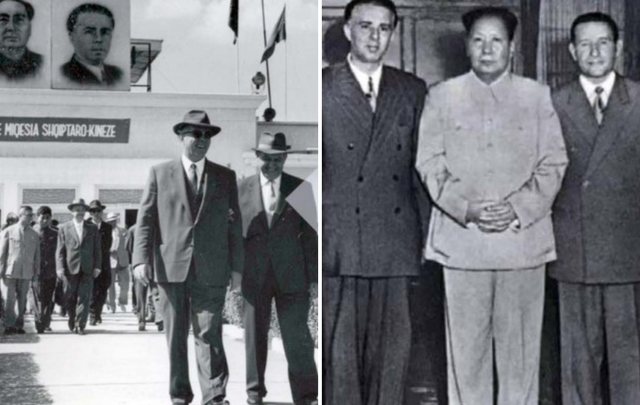
After learning of Nikita Khrushchev's report at the 20th Congress of the Bolshevik Party and as soon as the "quarrels" with the "new Soviets" began, Enver Hoxha fled in panic to Beijing. The reason was participation in the 8th Congress of the Chinese Communist Party. But the truth of going to China was that Enver Hoxha clearly felt the threat of the "new Soviets" to remove him from power. However, in that situation he had seen a little light at the "end of the tunnel" from the Chinese, who had shown some oscillating divergences towards the Soviets and as evil as he was, Enver Hoxha thought, he should use these in the interest of protecting his power.
Let us remember that it was early 1956. The political situation in the eastern communist camp was not clear. Nikita Khrushchev had just openly condemned Stalin's "cult of the individual", with all his party and state activity. A year earlier, he had reconciled with Yugoslavia and demanded Enver Hoxha's rapprochement with it, which Enver Hoxha did not do because it would be discovered for his hostile activity with the Titor regime. The only salvation he sees is from Beijing, otherwise it would have ended then. In this situation, Enver Hoxha goes to China. His visit to Beijing has actually been left somewhat in the shadows for decades. The reasons have never been commented on or published. Even the photo of Enver Hoxha with Mao Zedong has been published so rarely that it has left the feeling of asking the question: Has Enver Hoxha ever been to China and did he meet with Mao Zedong?!
It was a time when the winds from Moscow were blowing coldly for Enver Hoxha. However, he only had that “hole”. “Would it really work, would the Chinese really stand up to the Soviets, or would everything be a big propaganda bubble”?! Enver Hoxha was interested in the Chinese position, so that he too could stand up… In China, in addition to the Congress, he made intensive visits to cities and provinces and everywhere “weighed” the situation. What the policy of the new Soviets was, “he” had sensed, but whatever the Chinese did, he had to judge it well and good, so everything depended on the Chinese, since Enver Hoxha had no qualms. Threatened by pressure for radical changes in politics and in the party line, especially in the direction of democratization under the spirit of the 20th Congress, Enver Hoxha was forced to immediately position himself in favor of the communist leaders of China. With the visit to China, and the crying of troubles face to face with Mao Zedong and Zhou Enlai, Enver Hoxha's main problem, maintaining power and defending it at all costs and by any means, seems to have received a guarantee.
Në këto situata, kur sovjetikët jo vetëm nuk e mbronin pushtetin e tij, por sapo nisën edhe kërcënimet, ai e pa të udhës që paralelisht, hë për hë pa u prishur me BS, të ngrinte e të ndërtonte edhe një aleancë të re. Natyrisht, aleanca Tiranë-Pekin, nuk u realizua menjëherë, për pasojë edhe ndërprerja e marrëdhënieve me Bashkimin Sovjetik nuk ndodhi menjëherë, ndaj u konkludua se Enver Hoxha i dribloi situatat për pushtetin personal.
Disa muaj më vonë, pas Kongresit të 20-të, pas vizitës në Kinë e marrëveshjeve të rëndësishme me Mao Ce Dunin, e pas Konferencës së Tiranës, më 22 tetor të vitit 1956, Enver Hoxha, thirri një plenum. Objeksioni ishte situata politike e brendshme dhe e jashtme dhe kryesisht vizita e fundit e tij jashtë shtetit, veçanërisht ajo në Kinë. Pasi foli tepër gjatë lidhur për marrëdhëniet me Jugosllavinë, Enver Hoxha në Plenum u ndal tek vizita disaditore që zhvilloi në Republikën Popullore të Kinës. Interesant ishte fakti se në takimin me Mao Ce Dunin, Enver Hoxhës i u desh t’i përshtatej në maksimumin e mundshëm përshtypjes së Maos për prishjen e marrëdhënieve me Jugosllavinë dhe për figurën e Stalinit. Lidhur me Jugosllavinë, – siç shkruhet në procesverbalin e takimit, – Mao Ce Duni i tha Enver Hoxhës se “fajin për këtë e kishte Informbyroja”. Pas prishjes që dukej sheshit se mund të vinte me Bashkimin Sovjetik, Enver Hoxhës i duhej me domosdo një tjetër “strehë”, e cila të siguronte vijimësinë e pushtetit. Në takim Enver Hoxha nuk hezitoi ta fal¸nderonte Mao Ce Dunin për ndihmat që Republika Popullore e Kinës kishte filluar të sillte në Shqipëri. Pas takimit e bisedave private me Maon, Enver Hoxha dhe delegacioni që ai drejtonte, patën një takim edhe me Kryeministrin e Kinës, Çu En Lai. Enver Hoxha, në fjalën e tij në plenum, e falënderoi Kryeministrin e Kinës si njeri jashtëzakonisht të thjeshtë dhe që kishte shprehur dëshirën e plotë për të vijuar e shtuar ndihmat ndaj Republikës Popullore të Shqipërisë, madje edhe për të zhvilluar një vizitë në Shqipëri. Çu En Lai, siç u tha Enver Hoxha anëtarëve të Komitetit Qendror, i kishte thënë se për çfarë ishte i interesuar dhe se si Kina mund ta ndihmonte më shumë Shqipërinë. Dhe Enver Hoxha i ishte përgjigjur se “për momentin heqja e triskëtimit ishte emergjente në Shqipëri”. Duke e mbyllur fjalimin e tij në mbledhjen e plenumit, Enver Hoxha u tha anëtarëve të Komitetit Qendror se “e falëndervova Kryeministrin kinez, ndërsa ai më ndërhyri menjëherë – dhe më tha se – nuk ishte nevoja ta falënderonim, pikë së pari sepse ndihma që iu kemi dhënë është një gjë fare e vogël”. Dhe vërtet ashtu rezultoi deklarimi i Çu En Lait, pasi pas vitit 1956, Enver Hoxhës me Kinën “i ndriti ylli” dhe për Shqipërinë vërshuan ndihmat kineze, kur normalisht nuk ishin ndërprerë edhe ato sovjetike.
PLANI PËR PUSHTIMIN E SHQIPËRISË
Sipas planit që kishin hartuar sovjetikët dhe që në vitet e fundit është bërë publik nga studiuesit e Arkivave Ruse, lidhej siç e kemi cilësuar më sipër, me planin e ofensivës ushtarake. Mirëpo situata për “sovjetikët e rinj” u bë e pa favorshme sepse konflikti me amerikanët, që ishte në kulmin e vet për shkak të Kubës, i ndryshoi përfundimisht prioritetet gjeopolitike.
Për këtë dhe për frikën sovjetike lidhur me reperkusionin e daljes në publik të atyre planeve, ka folur e deduksionuar edhe publicisti gjerman Harry Hamm.
Është fakt se pas vitit 1956 lidhjet midis Tiranës dhe Moskës nisën dobësimin. Nuk pati më vizita të nivelit të lartë, vetëm ajo e vitit 1959 e Nikita Hrushovi, që erdhi në Shqipëri “për ta arrestuar” Enver Hoxhën. E kemi shpjeguar më sipër qëllimin kryesor të vizitës së tejzgjatur të Nikita Hrushovit në Shqipëri, por mbetet edhe ushtarakja. Gjithsesi, kjo periudhë kaloi shpejt. Enver Hoxha për interesat e veta, sepse “kursi i ri” i Nikita Hrushovit kërkonte “likuidimin” e tij, shtoi flirtin me kinezët, duke e ndierë se me ndërrimin e partnerit, do të kishte më tepër përfitim. Nga ana tjetër, nuk vonoi edhe “ndëshkimi” sovjetik. Mallrat nga Bashkimi Sovjetik nisën të vinin me vonesë dhe jo të plota si dhe u refuzuan kërkesat e reja shqiptare. Në fakt, Shqipëria me Bashkimin Sovjetik, kishte prekur mirësira jo të pakta, veçanërisht në arsimimin e specialistëve të niveleve të larta. Kishin ardhur ndihma dhe ishin lëshuar shumë kredi. Paketa më e madhe e marrëveshjeve tregtare dhe ekonomike mes Bashkimit Sovjetik dhe Shqipërisë, nënshkruhet në prill të vitit 1957. E ndërsa hidhet ky karrem i majme mosmarrëveshjet e Enver Hoxhës që i cenonin atij pushtetin personal, që gradualisht u rritën ndaj Hrushovit dhe që çuan që pas Mbledhjes së Moskës, udhëheqja sovjetike i kaloi mosmarrëveshjet politike në sferën e marrëdhënieve ndërshtetërore dhe u shkua deri në zgjidhjen edhe të lidhjeve ushtarake. Në librin e tij “Shqipëria dhe prishja sovjeto – kineze” Uilliam Griffith hedh tezën se vizita e Hrushovit në Tiranë në 1959-ën ishte edhe një tentativë finale, por e pasuksesshme për të paralajmëruar e penguar Enver Hoxhën për aleancën e tij me Mao Ce Dunin kundër Bashkimit Sovjetik.
Aq përmasa morën mosmarrëveshjet e Enver Hoxhës me Nikita Hrushovin sa në mars të vitit 1961, Presidiumi i KQ të Partisë Komuniste të Bashkimit Sovjetik vendosi likuidimin e Bazës së Vlorës. Paralelisht me këto brutalitete, megjithatë kemi ende përpjekjet e Hrushovit për t’i zgjidhur mosmarrëveshjet me dialog, por ky rezultoi i pasuksesshëm me Enver Hoxhën dhe ua la vendin përsëri kërcënimeve e shantazhit.
Në mesin e vitit 1961, në Moskë u përpunua edhe plani i zgjedhjes forcërisht të “problemit shqiptar”, që parashikonte përmbysjen e Enver Hoxhës. Kjo përmbysje siç thonë dokumentet ruse do të bëhej jo vetëm nga jashtë, por edhe me ndihmën e komunistëve shqiptarë “besnikë të idealeve socialiste dhe drejtimit të tyre nga Bashkimi Sovjetik e vendet pjesëmarrëse në Traktatin e Varshavës”. Sipas dr. Okorokovit, “çlirimi i Shqipërisë” ishte planifikuar të realizohej jo më vonë se 1 shtatori i vitit 1962, por acarimi i marrëdhënieve sovjeto-amerikane për shkak të Kubës (Kriza e Karaibeve) nuk lejoi realizimin e planit. Duke përfituar nga kjo, Enver Hoxha mori masa parandaluese. 7) Kur Shqipëria ishte rreshtuar plotësisht krah Kinës komuniste, Hrushovi kishte mbetur i habitur dhe i revoltuar me veten se përse e kishte toleruar aq gjatë Enver Hoxhën, pasi sipas tij ai e kishte në dorë që ta eliminonte atë që në vitin 1957.
NDIHMAT KINEZE
The spring of 1962 was very fruitful for Enver Hoxha regarding Chinese aid. After several meetings, an agreement was reached with China for comprehensive aid to Albania. It was an agreement that had begun during the time of the Soviet Union, but when it stopped everything, China intervened with powerful agreements. Chinese military advisors, weapons and ammunition and a lot of economic aid flooded in. In a short time, factories and combines and large military works, as well as underground and above-ground shelters, began to be built in Albania, so much so that in 1968 they became dominant and included the entire Albanian territory. These were mainly in the economic and military plan, while in the political and party plan, Enver Hoxha himself directly initiated and carried out major purges in the ranks of the party, and at the same time in the state apparatus, just like during the distant break with the Yugoslavs. As a result of these, in the years 1960-1962 he renewed, by 70 percent, the entire composition of the Central Committee as well as many ministries and central directorates. These "curative" and preventive measures, Enver Hoxha, according to his mind, took for the "health" of the party and the state from the Soviet "infection". Even the Soviets, although now divorced from Enver Hoxha, did not give up on their goal of Albania, for its strategic position in the Adriatic and the Mediterranean, so in the summer of 1962 they returned once again to the "Albanian issue" for destabilization, now not directly, but indirectly with the main role of the plan for the "destabilization" of the country, which they gave to the Yugoslav leader Josif Broz Tito. In Moscow, they calculated that the Albanian-Chinese alliance and the anti-Yugoslav policy and propaganda of Tirana would bring Belgrade into a close alliance with the Soviet Union with the aim of destabilizing the regime of Enver Hoxha, always according to the plan that the Soviets had drawn up and that in recent years has been made public by researchers of today's Russian archives. It was Enver Hoxha's first and last visit to China, the one that gave him, thanks to Mao Zedong, considerable economic and military aid, with which Enver Hoxha, to the detriment of Albania, saved himself and his power.
Author, Executive Director, Institute for Security and Defense/ Panorama
Happening now...


ideas
Blaming Gaz Bardhi for the statutory changes
Nga Namir Lapardhaja

The Statute Review and Berisha's Sinking Boat
Nga Alesia Balliu
Will the new justice system unite the SP and the DP?
Nga Arbër Hitaj
top
TRENDING 



services
- POLICE129
- STREET POLICE126
- AMBULANCE112
- FIREFIGHTER128