


FLASH NEWS
16 YEARS OF STATE! Battles for Kosovo: From historic wars to 2008 independence

2025-02-16 21:17:48 / KOSOVA
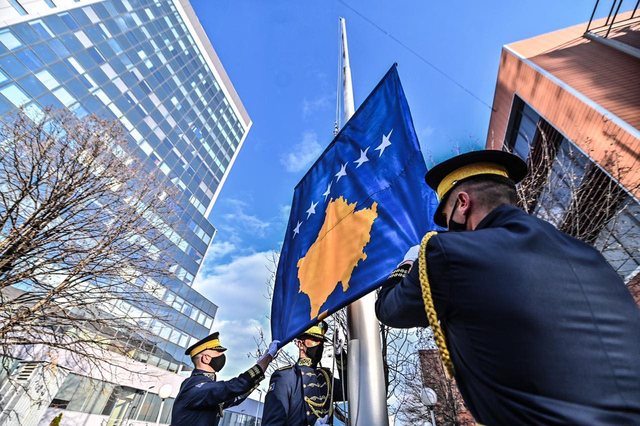
Kosovo has been the center of some of the most important historical developments in the Balkans, a territory where empires, ideologies, and struggles for freedom have collided.
Its path to independence has been long and full of challenges, passing through invasions, national resistance, war, and international diplomacy.
This article provides a summary of the main battles for Kosovo, from the Middle Ages to the declaration of independence on February 17, 2008.
Kosovo in the Middle Ages and the Battle of Kosovo (1389)
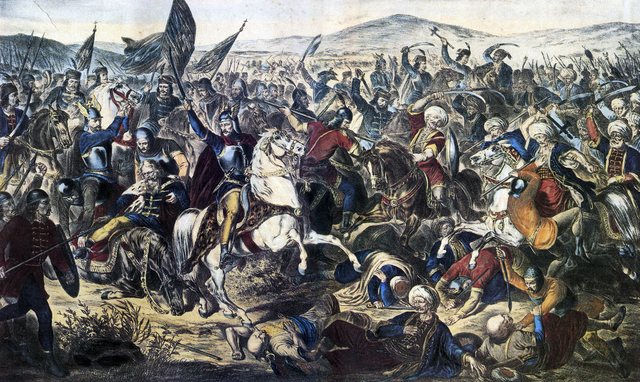
In the medieval period, Kosovo was an important center of the Serbian Kingdom, but also populated by Albanians and other ethnic groups. One of the most famous battles in Balkan history, the Battle of Kosovo of 1389, marked a turning point in the history of the region.
In this battle, the forces of Serbian prince Lazar Hrebeljanović and his Balkan allies faced the Ottoman Empire led by Sultan Murad I. Despite heavy losses on both sides, the Ottomans triumphed, paving the way for their expansion into the Balkans and establishing their rule over Kosovo in the centuries to come.
Ottoman Rule and the Albanian Uprisings
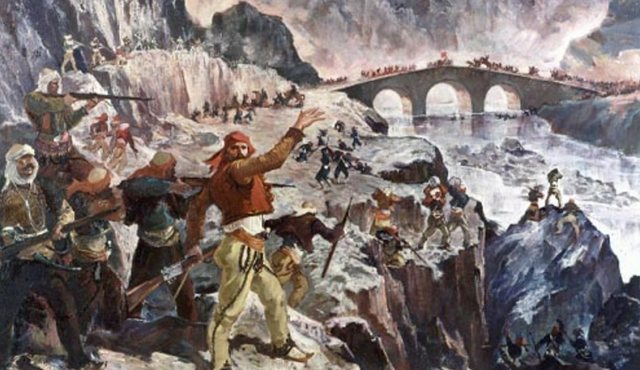
From the late 14th century to the early 20th century, Kosovo remained under the rule of the Ottoman Empire. During this period, Albanians played an important role in the Ottoman administration, but also began efforts for autonomy and independence.
In the 19th century, the League of Prizren (1878) was formed as an attempt to protect Albanian lands from partition by the great powers and to seek autonomy from the Ottoman Empire. The League was suppressed by the Ottomans, but it remained an important symbol of Albanian resistance.
In the early 20th century, Kosovo became an arena of conflict between the Ottoman Empire and the Balkan powers. After the Balkan Wars (1912–1913), Kosovo was annexed by Serbia and Montenegro, becoming part of the Kingdom of Serbs, Croats and Slovenes (later Yugoslavia).
Kosovo during World War II and the period of Communist Yugoslavia
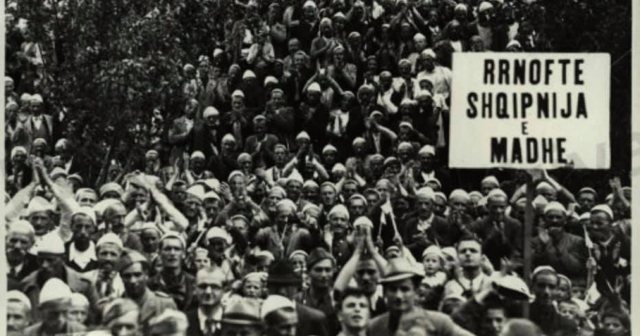
During World War II (1939–1945), Kosovo was divided between Italy and Germany, with most of it included in fascist Italy-controlled Albania. This period was marked by conflicts between Albanians and Slavic forces, as well as numerous massacres.
Pas përfundimit të luftës, Kosova u rikthye nën kontrollin e Jugosllavisë komuniste të Josip Broz Titos. Pavarësisht premtimeve për autonomi, shqiptarët në Kosovë u përballën me diskriminim të vazhdueshëm nga autoritetet jugosllave. Gjatë viteve 1970, u dhanë disa të drejta më të gjera për Kosovën, duke e bërë atë një krahinë autonome brenda Jugosllavisë. Megjithatë, në vitin 1989, Slobodan Millosheviçi, lideri i Serbisë, hoqi autonominë e Kosovës, duke çuar në protesta të gjera.
Lufta e Kosovës dhe ndërhyrja e NATO-s (1999)
Në vitin 1998, Ushtria Çlirimtare e Kosovës (UÇK) nisi një kryengritje të armatosur kundër forcave serbe, të cilat po ushtronin një shtypje brutale ndaj popullsisë shqiptare. Përgjigjja e regjimit të Slobodan Millosheviçit ishte një fushatë e gjerë spastrimi etnik, duke çuar në vrasje masive, dëbime dhe shkatërrime në shkallë të gjerë.
Përshkallëzimi i dhunës arriti kulmin në mars 1999, kur NATO ndërhyri ushtarakisht, duke nisur një fushatë bombardimesh kundër caqeve ushtarake dhe infrastrukturës serbe. Sulmet ajrore të NATO-s zgjatën 78 ditë (24 mars – 10 qershor 1999), duke detyruar Millosheviçin të tërhiqte forcat e tij nga Kosova dhe të pranonte vendosjen e një administrate ndërkombëtare.
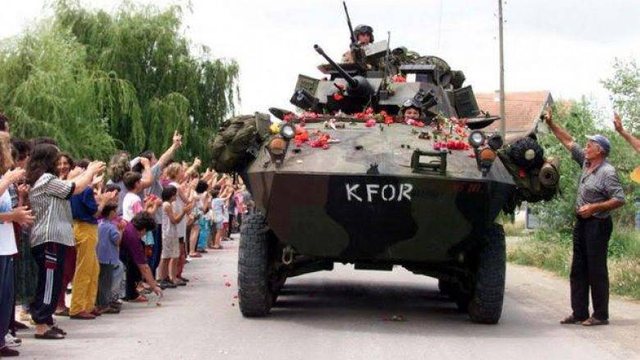
Marrëveshja e Kumanovës dhe Misioni i OKB-së (UNMIK)
Më 10 qershor 1999, u nënshkrua Marrëveshja e Kumanovës, e cila i dha fund luftës dhe çoi në tërheqjen e trupave serbe nga Kosova. Po atë ditë, Këshilli i Sigurimit të OKB-së miratoi Rezolutën 1244, e cila e vendosi Kosovën nën administrimin e Misionit të Kombeve të Bashkuara në Kosovë (UNMIK).
Me hyrjen e trupave të NATO-s (KFOR) në Kosovë, më shumë se 800,000 refugjatë shqiptarë u kthyen në shtëpitë e tyre, por vendi ishte në një gjendje të rëndë humanitare dhe infrastrukturore. Gjatë viteve të para pas luftës, UNMIK kishte pushtet të plotë administrativ dhe politik në Kosovë, duke ndërtuar institucione të reja dhe duke krijuar bazat për vetëqeverisje.
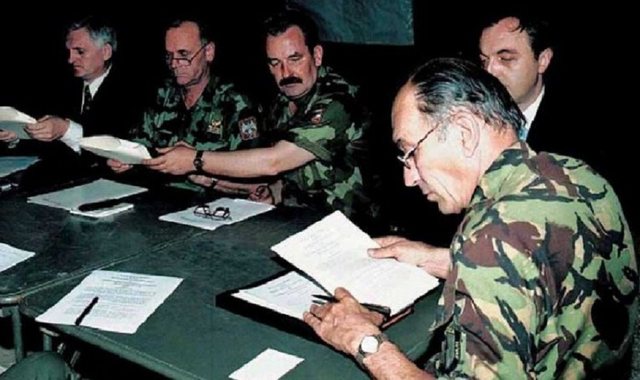
Ndërtimi i institucioneve dhe rritja e tensioneve (2000-2004)
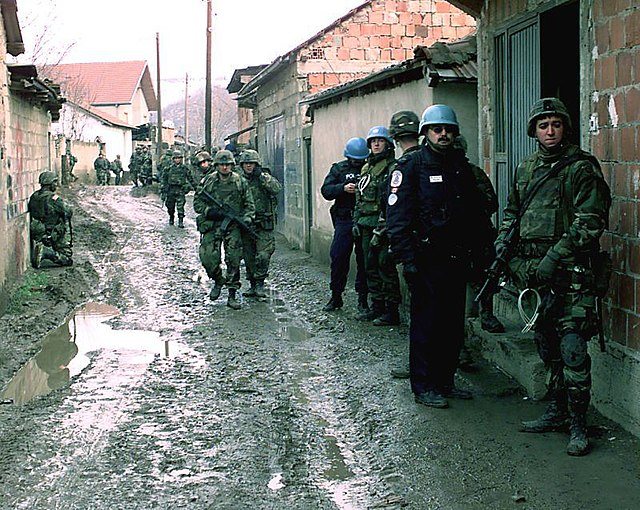
Në vitet e para të pasluftës, Kosova u përball me sfida të mëdha, përfshirë dhunën ndëretnike, krizën ekonomike dhe mungesën e stabilitetit politik. Zgjedhjet e para lokale u mbajtën në vitin 2000, duke shënuar një hap të rëndësishëm drejt ndërtimit të institucioneve demokratike.
Në vitin 2001, Kosova mori një shkallë më të lartë të autonomisë, me krijimin e Kuvendit të Kosovës dhe formimin e një qeverie të përkohshme. Megjithatë, tensionet me komunitetin serb mbetën të larta dhe situata shpërtheu në mars të vitit 2004, kur trazirat e dhunshme lanë pas vetes dhjetëra të vrarë dhe dëme të mëdha materiale. Këto ngjarje theksuan nevojën për një zgjidhje përfundimtare të statusit të Kosovës.
Procesi i pavarësisë dhe bisedimet e Vienës (2005-2007)
In 2005, Martti Ahtisaari, a Finnish diplomat, was appointed as an international mediator to negotiate the status of Kosovo. After several rounds of talks between Albanian and Serbian representatives in Vienna, Ahtisaari proposed a plan that envisaged supervised independence for Kosovo, with special measures to protect the rights of the Serbian minority.
Despite diplomatic efforts, Serbia and Russia strongly opposed this plan, blocking its approval in the UN Security Council. Faced with this impasse, Kosovo's leaders decided to unilaterally declare independence.
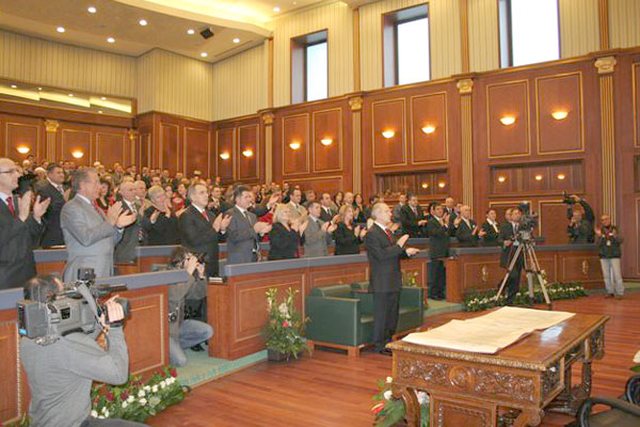
Kosovo's declaration of independence on February 17, 2008
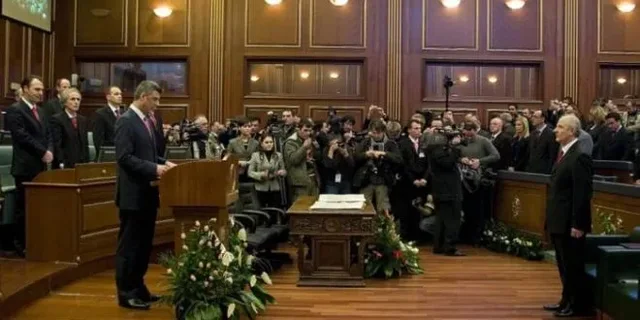
In a historic session on 17 February 2008, the Kosovo Assembly declared independence from Serbia, declaring Kosovo an independent and sovereign state. This declaration was strongly supported by the US, the UK, France, Germany and most EU countries.
The consequences and challenges of international recognition
Kosovo's independence provoked strong reactions from Serbia and Russia, which did not recognize the act and continue to consider Kosovo as part of Serbian territory. However, to date, more than 100 countries have officially recognized Kosovo as an independent state.
In 2010, the International Court of Justice (ICJ) ruled that Kosovo's declaration of independence was not contrary to international law, giving greater legitimacy to its independence.
Kosovo's history is filled with battle, sacrifice, and continued efforts for freedom and self-determination. From the medieval battle of 1389, to the struggle for survival under the Ottoman and Yugoslav regimes, to NATO intervention and the declaration of independence in 2008, Kosovo's path has been long and difficult.
Today, Kosovo continues to face challenges in the international arena, but remains committed to its path towards full recognition and Euro-Atlantic integration. Its independence is a testament to the determination of a people who never gave up on the dream of freedom and dignity.
Today, as we celebrate 16 years of statehood, we bow with respect to those who made this day possible and look forward with hope, courage and dignity. Kosovo is and will remain the land of those who believed in its freedom and who work every day to strengthen it.
Happy Independence, Kosovo! Let us continue to build a bright future worthy of the sacrifices of the past. /alfapress.al
Happening now...





83 mandates are not immunity for Rama's friends
Nga Gentian Gaba
ideas

"Preliminary sentence for Belinda Balluku", response to Baton Haxhiu
Nga Blendi Kajsiu

Teatri që fsheh prapaskenën
Nga Patrik Sadikaj
Berisha's red line and the black line of democracy in the DP
Besmir Semanaj
top



Alfa recipes


TRENDING 




services
- POLICE129
- STREET POLICE126
- AMBULANCE112
- FIREFIGHTER128