


FLASH NEWS
Kosovo, energy prices expected to increase by up to 30% for businesses

2025-04-29 15:43:56 / KOSOVA
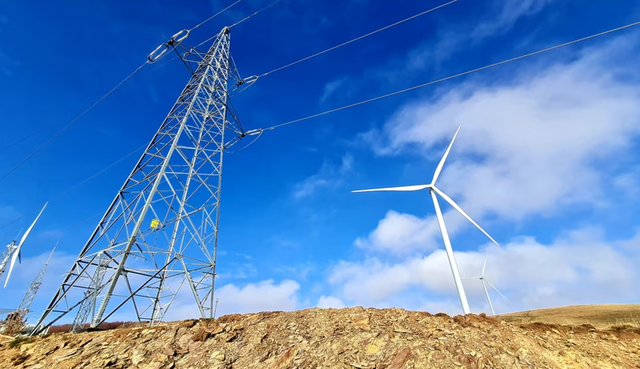
The price of energy for large businesses is expected to increase by up to 30 percent, warn representatives of several companies licensed to supply electricity in Kosovo.
These companies have currently increased their efforts to secure energy, on the eve of the launch of the energy market liberalization process.
What does energy market liberalization mean?
The process of liberalizing the energy market in European Union countries began in the late 1990s with the aim of increasing competition, efficiency, security and choice for consumers. In the Western Balkans, however, this process is still under development.
In Kosovo, the liberalization of the energy market is foreseen by the Law on Electricity adopted in 2017, but its implementation has been postponed due to various circumstances.
The Energy Regulatory Office (ERO) has now decided that as of June 1, all large companies – specifically those with over 50 employees or an annual turnover of over 10 million euros – will move to the open energy market. According to ERO, their number is over 1,000.
Currently, these businesses are supplied by the Energy Supply Operator (KESCO), as the main licensed energy supplier at prices regulated by ERO.
As of June 1, large companies must choose their own supplier, with unregulated prices, which are determined by market demand and supply.
Currently, 18 companies are licensed to provide electricity supply in the free market of Kosovo, most of which are from Kosovo, but there are also companies from the region.
Some of them have begun negotiations with energy producers in the region to secure the necessary capacities to supply new customers.
Meanwhile, some businesses, like Frutex in Suhareka, are looking to local companies to negotiate the price for electricity.
Businesses facing the choice of new suppliers
Drilon Brahimi, general director of the company Tredint Group LLC, which was licensed to supply electricity at the end of last year, says that they are in the market research phase to secure more affordable prices, but have not yet signed any contracts with production companies from the region.
"Many local companies, specifically manufacturing companies, have started sending us their annual energy consumption profiles and are requesting information about the price. We are in the phase of preparing the offers. The concrete response for each is expected to be sent to them in early May," he tells Radio Free Europe.
However, Brahimi emphasizes that the price for the first months is expected to be up to 30 percent higher than current energy tariffs.
Aktualisht, për konsumatorët e amvisërisë dhe ata komercialë që shpenzojnë deri në 800 kilovatë në orë brenda një muaji, çmimi i rrymës gjatë ditës është 7.79 centë për kilovat, ndërsa për ata që shpenzojnë më shumë se 800 kilovatë, pjesa mbi këtë u llogaritet me çmim prej 13.29 centësh.
Nga 1 maji hyjnë në fuqi tarifat e reja, me një rritje prej 16.1 për qind, por ato nuk do të zbatohen për bizneset me mbi 50 punëtorë.
Rritjen prej 30 për qind për kompanitë e mëdha e paralajmëron edhe Diamant Dalladaku nga kompania Enerco LLC.
Edhe ai thotë se ende nuk ka nënshkruar ndonjë kontratë me kompani të huaja dhe se janë në proces të hulumtimit të tregut.
“Liberalizimi i tregut të energjisë është një proces i ri dhe gjatë zbatimit po paraqiten sfida. Si problem në kohën e përgatitjes është mungesa e informacioneve për energjinë që shpenzojnë bizneset, të cilat po dalin në tregun e hapur”, thotë Dalladaku për Radion Evropa e Lirë.
Në raportin vjetor të ZRRE-së thuhet se vitin e kaluar mbi 5.400 gigavatë në orë (GWh) ka qenë sasia e përgjithshme e energjisë së shitur te të gjithë konsumatorët në Kosovë. Nga kjo sasi, 3.156 GWh apo 58.4 për qind janë shpenzuar nga konsumatorët familjarë, kurse pjesa tjetër, 2.041 apo mbi 37 për qind, është shpenzuar nga konsumatorët jofamiljarë dhe në këtë kategori përfshihen të gjitha bizneset.
Palushi: Ende nuk kemi oferta konkrete për energjinë
Kompania për prodhimin e lëngjeve Frutex në Suharekë është një nga kompanitë që nga qershori do gjejë vetë kompaninë furnizuese për rrymë.
Pronari i saj, Shaqir Palushi, thotë se kanë dërguar kërkesë për takim në të gjitha kompanitë e licencuara për furnizim me energji, në mënyrë që të negociojnë për çmimin. Megjithatë, Palushi ende nuk ka pranuar ndonjë përgjigje nga to.
“Po pres në ditët në vazhdim… por, nuk besoj se ato janë të përgatitura për këtë proces, sidomos në kushtet e turbulencës që kanë mbizotëruar vitet e fundit lidhur me çmimet e energjisë elektrike”, thekson ai.
Palushi tregon se për një muaj shpenzon energji në vlerë deri në 40 mijë euro. Në rast të rritjes së çmimit për 30 për qind, për sasinë e njëjtë të shpenzuar ai do të paguante mbi 52 mijë euro.
“Sigurisht se kjo do të rrisë shpenzimet operative, por ne do të bëjmë përpjekje që fillimisht të ketë ndikim në uljen e profitit të kompanisë dhe jo të rrisim çmimet”, thotë ai.
Kompanitë e licencuara, të papërgatitura?
Odat ekonomike në Kosovë kanë kërkuar shtyrjen e këtij vendimi, pasi sipas tyre, edhe pse kompanitë janë të licencuara, shumica prej tyre nuk kanë pasur klientë fundorë dhe kanë ekzistuar vetëm “në letër”, pa veprimtari reale tregtare.
Ky tranzicion, sipas tyre, do të destabilizojë furnizimin dhe do të ndikojë në rritjen e çmimeve të produkteve të tjera.
Për këtë arsye, më 21 mars, Oda Ekonomike e Kosovës kërkoi nga Avokati i Popullit që të iniciojë këtë çështje në Gjykatën Kushtetuese dhe të kërkojë pezullimin e vendimit për të paktën një vit.
The Ombudsman confirmed to Radio Free Europe that it has received the complaint from the Kosovo Chamber of Commerce and is reviewing it.
"For the Ombudsman, this is a complex situation due to the fact that these developments have taken place at a time when key institutions are still being established," the response states, adding that the increase in electricity tariffs will have consequences for the socio-economic rights of citizens.
However, ERO reiterated that existing capacities are sufficient to supply businesses with energy after market liberalization.
"Most suppliers are making the necessary technical and administrative preparations to be functional in the market," it says in a response that ERO sent to Radio Free Europe.
ERO says it is holding regular and informative meetings with all licensed suppliers in order to inform them as clearly as possible about the steps and opportunities offered by market liberalization./ REL


Happening now...




83 mandates are not immunity for Rama's friends
Nga Gentian Gaba
ideas

"Preliminary sentence for Belinda Balluku", response to Baton Haxhiu
Nga Blendi Kajsiu

Teatri që fsheh prapaskenën
Nga Patrik Sadikaj

Berisha's red line and the black line of democracy in the DP
Besmir Semanaj
top


Alfa recipes



TRENDING 




services
- POLICE129
- STREET POLICE126
- AMBULANCE112
- FIREFIGHTER128