


FLASH NEWS
US, Germany and Britain send message to new Kosovo government: We expect coordination and progress in dialogue with Serbia

2025-04-10 07:38:02 / KOSOVA
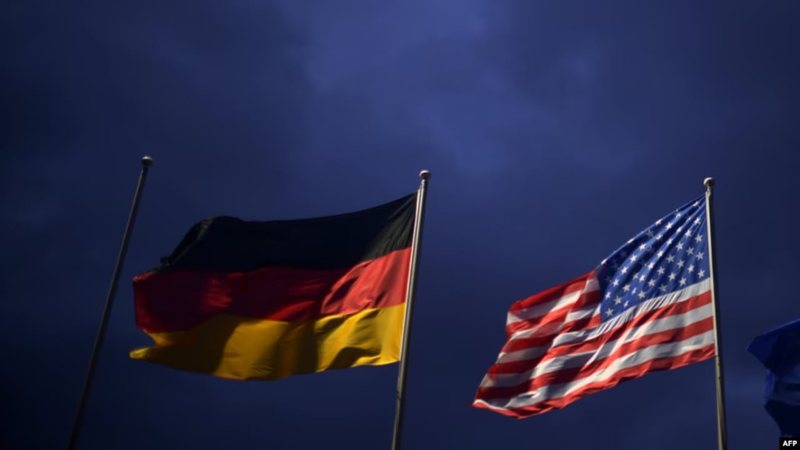
Mutual trust, coordination and cooperation, as well as progress in the dialogue with Serbia are some of the expectations of the United States of America, Germany and the United Kingdom from the new Government of Kosovo.
These three countries, along with Italy and France, are part of the group of countries known as QUINT. Radio Free Europe has also asked the Embassies of Italy and France about their expectations from the new Kosovo executive, but these institutions have not responded.
The new composition of the Assembly of Kosovo will convene on April 15, during which the deputies will take the oath. The agenda of the constitutive session of the ninth legislature also includes the election of the Speaker and Deputy Speakers of the Assembly of Kosovo.
The constitution of the Assembly will pave the way for the election of a new Kosovo Government. The winning party in the February 9 elections, the Vetevendosje Movement of the incumbent Prime Minister, Albin Kurti, is the first to have the right to attempt to form the new executive. However, Kurti has not yet secured the 61 votes needed to form a government.
The US State Department told Radio Free Europe that the US has long supported Kosovo on its path to building a sovereign, democratic, multiethnic and prosperous state.
"We look forward to working with the new Government of Kosovo to support regional stability and security," a State Department spokesperson told Radio Free Europe.
The German Embassy in Pristina said it expects the Speaker and Deputy Speakers of the Assembly to be elected on April 15, thus paving the way for the formation of the new Government of Kosovo.
In a statement to Radio Free Europe, the German Embassy stated that it also expects "continued close cooperation with Kosovo and its future government," adding that it will continue to actively engage in Kosovo's integration into Euro-Atlantic structures.
"To achieve this, mutual trust and continued cooperation are needed. Germany remains convinced that the next government will strengthen close coordination with international partners and work towards tangible progress in the dialogue facilitated by the European Union, helping to realize Kosovo's European perspective as soon as possible," the German Embassy said.
Germany added that Kosovo's further rapprochement with the EU is "our common goal, strengthening democracy, the rule of law as well as substantial progress in the normalization dialogue with Serbia, including the implementation of the Brussels and Ohrid Agreements with the relevant annexes, are issues that must be achieved."
The British Embassy in Pristina stated that it hopes that the next Government of Kosovo will address the needs of all citizens, including progress regarding the integration of Serbs and a strong commitment to the dialogue for the normalization of relations with Serbia.
"The United Kingdom unreservedly supports Kosovo's membership in the Council of Europe and hopes that it can meet the demands of others as soon as possible," the British Embassy said in a response sent to Radio Free Europe.
The creation of the Association of Serb-majority Municipalities has been a major obstacle for Kosovo on its path to membership in the Council of Europe. The Kurti government has been hesitant about forming the Association, expressing fears that it could undermine the sovereignty and functionality of the Kosovo state.
Calls for progress in dialogue were also made at the April 8 meeting of the United Nations Security Council, when Kosovo and Serbia exchanged accusations.
Kosovo accused Serbia of continuous efforts to destabilize democracy in the country, "not only through rhetoric, but also through concrete and violent actions that endanger peace and security in the region."
Meanwhile, Serbia accused Kosovo of "deteriorating" the situation of Serbs in Kosovo, saying that "the campaign to systematically destroy Serbian institutions throughout Kosovo has escalated."
Even Kosovo's allied states have been critical of the Kosovo Government for, as they have said, unilateral and uncoordinated actions in the north of the country, where authorities have closed Serbian institutions.
Happening now...







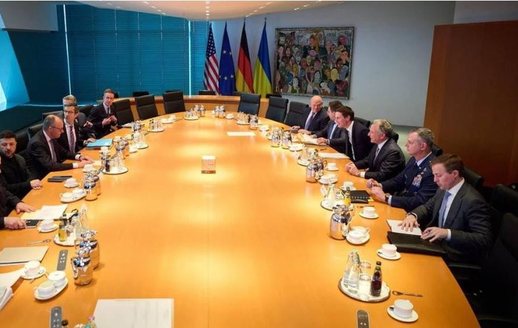


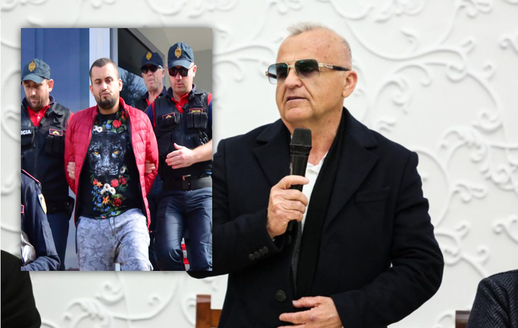

America may withdraw from Europe, but not from SPAK
Nga Gentian Gaba
ideas


top


Alfa recipes



TRENDING 




services
- POLICE129
- STREET POLICE126
- AMBULANCE112
- FIREFIGHTER128