


FLASH NEWS
Why aren't we humans full of hair like our ancestors?

2023-01-20 10:45:56 / AKTUALITET
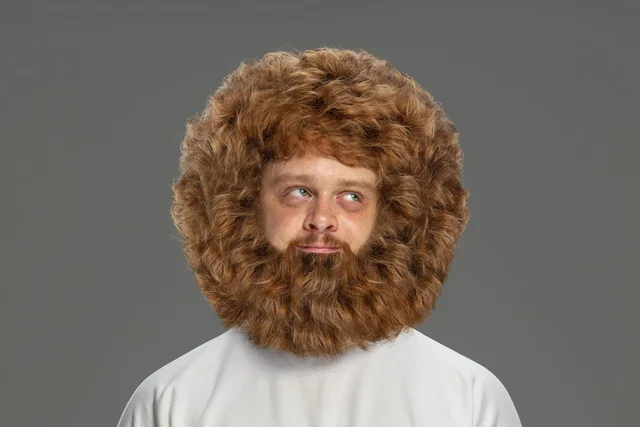
Our skin is not smooth like that of dolphins, but relatively hairless.
But what is it that caused modern sapiens to lose fur?
To find out, a group of researchers compared the genetic codes of 62 species of animals with and without hair.
The results, published in eLife, reveal that 'hair genes' are still present in us, but have been turned off by evolution.
This study may help in the future to find new ways to cure hair loss.
The benefits of a hairless life: Humans are not the only mammals that are almost hairless: elephants have very little hair (unlike their mammoth ancestors) and therefore live in hot places. We humans have also lost fur to stay cooler: this evolutionary change allowed our ancestors to move from the humid and shady environment of forests to the dry and warm savanna, colonizing new areas.
Gjenet e mutuara: Të gjithë kafshët pa qime të analizuara në studim grumbulluan disa mutacione në shumë nga të njëjtat gjene, duke përfshirë ato që kodojnë keratinën dhe elemente të tjerë që lehtësojnë rritjen e flokëve. Rezultatet treguan gjithashtu se rajonet rregullatore (ose promotorët) e gjeneve luajnë një rol po aq të rëndësishëm dhe indirekt ndikojnë në rritjen e flokëve duke vendosur se sa kur dhe kur të aktivizohet një gjen i caktuar.
E pranishme por e heshtur: ‘Presioni evolucionar për të humbur flokët ka bërë që gjenet që kodojnë rritje të flokëve kanë humbur rëndësinë e tyre’ shpjegon Nathan Clark një nga autorët e studimit.
"In furless animals, these genes have evolved at a faster rate than in hairy mammals: however, some genetic changes may be responsible for hair loss, others may just be collateral damage due to stopping hair growth. ' specifies Clark.
Now researchers are using the same approach to determine the genetic regions involved in cancer prevention, life extension or other aspects of our health: "It's a way to determine the global genetic mechanisms that underlie different characteristics," concludes Clark./ Alfapress.al
Happening now...










America may withdraw from Europe, but not from SPAK
Nga Gentian Gaba
ideas


top



Alfa recipes


TRENDING 




services
- POLICE129
- STREET POLICE126
- AMBULANCE112
- FIREFIGHTER128