


FLASH NEWS
What the latest science says about coffee. Everything you need to know!

2026-03-02 12:36:37 / MISTERE&KURIOZITETE
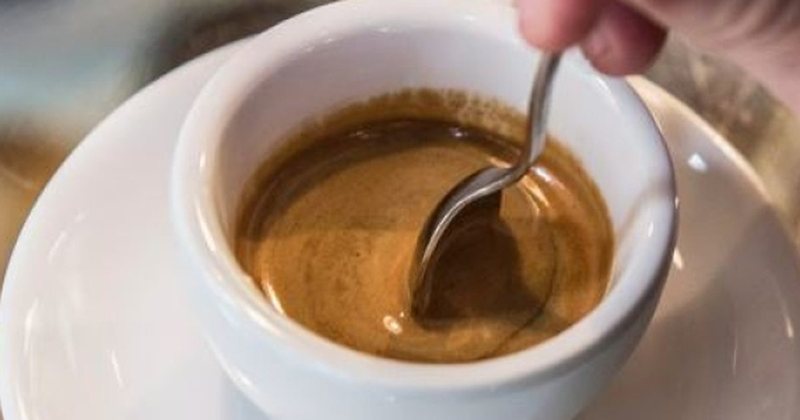
For years, coffee has been viewed with suspicion, as a pleasure to be consumed in moderation. However, coffee can offer several benefits. This is what doctor and science communicator Matteo Bassetti claims, with a clear explanation: As long as we don't overdo it.
With a similar fate to wine, coffee was once perceived as a habit that should be limited. Today, the picture is different. "If consumed black, without sugar and without calorie additives like whipped cream, it is a drink rich in bioactive substances," Bassetti emphasizes.
"It improves alertness, attention and concentration: it is no coincidence that it is an ally of those who study or work for long hours."
What is the substance responsible for the effects of coffee?
"The main one is caffeine, an alkaloid that blocks adenosine — a molecule that induces sleep and reduces neuronal activity — increasing alertness, attention, and the ability to concentrate. But coffee also contains polyphenols and other bioactive molecules with antioxidant and anti-inflammatory effects. These compounds help fight oxidative stress and protect cells from free radical damage."
Other documented benefits?
"Many observational studies have linked moderate coffee consumption to reduced cardiovascular risk, with lower incidence of heart attack and stroke. Epidemiological evidence also suggests a possible protective effect against neurodegenerative diseases such as Parkinson's and Alzheimer's, possibly due to the action of caffeine and polyphenols. Benefits for liver health and a reduced incidence of type 2 diabetes, possibly through improved insulin sensitivity, have also been observed."
Is there a connection between coffee and gut microbiota?
"Several studies published in Nature Microbiology have shown that polyphenols and other coffee compounds can modify the composition and diversity of gut microbial communities, influencing metabolism, immune response, and systemic inflammatory processes."
"Said this way, it can be misleading. Caffeine is known for its ability to slightly increase basal metabolism, because it stimulates heat production (thermogenesis) and the use of fats as an energy source (lipolysis). Some studies show that it can increase energy expenditure from 3% to 12%, but the effect varies according to the amount consumed and individual sensitivity. Furthermore, it can improve physical performance: it reduces the feeling of fatigue and favors the use of fatty acids during physical activity. So, caffeine can be an aid in the weight loss process, but it is not a miracle solution nor is it sufficient on its own."
What do we know about lifespan?
"Nuk mund të thuhet se kafeja të bën jetëgjatë në kuptimin e drejtpërdrejtë, por evidencat shkencore tregojnë se konsumimi i moderuar lidhet me një jetëgjatësi më të madhe. Studime të zhvilluara për vite me radhë mbi qindra mijëra persona kanë treguar se ata që pinë rregullisht dy deri në katër filxhanë në ditë kanë një ulje të vdekshmërisë nga të gjitha shkaqet rreth 15-17% krahasuar me ata që nuk konsumojnë, veçanërisht për sëmundje kardiovaskulare, metabolike dhe hepatike. Megjithatë, bëhet fjalë për të dhëna vëzhguese".
Çfarë do të thotë kjo?
"Nuk provojnë një marrëdhënie të drejtpërdrejtë shkak-pasojë, edhe pse përputhshmëria e rezultateve në popullata të ndryshme e bën të besueshëm një përfitim që lidhet me veprimin antioksidant të polifenoleve, modulimin e inflamacionit, përmirësimin e ndjeshmërisë ndaj insulinës dhe efektet e mundshme mbi mikrobiotën e zorrëve, siç sugjerojnë edhe kërkime të kryera nga Center for Molecular Cell Biology në Queen Mary University of London.
Pra, nuk është ilaç i jetës së gjatë?
"Jo tamam, por nëse konsumohet me moderim dhe pa sheqer të shtuar, mund të jetë pjesë e një stili jetese të favorshëm për jetëgjatësinë. Gjithsesi, ushqyerja e përgjithshme, aktiviteti fizik, gjumi dhe faktorët gjenetikë mbeten më përcaktues sesa një filxhan i vetëm".
Cila është sasia e duhur për një të rritur të shëndetshëm?
"Pragu i sigurisë është rreth 400 miligramë kafeinë në ditë, që korrespondon me katër ose pesë filxhanë ekspres. Brenda këtyre kufijve, për shumicën e të rriturve të shëndetshëm, konsumi konsiderohet i sigurt".
"Personat me pagjumësi, çrregullime ankthi, takikardi, hipertension të pakontrolluar apo gastrit mund të jenë më të ndjeshëm ndaj efekteve të kafeinës. Gjatë shtatzënisë rekomandohet kujdes: zakonisht jo më shumë se 200 miligramë në ditë (rreth një ose dy filxhanë). Reagimi individual është vendimtar, pasi metabolizmi i kafeinës ndryshon edhe në bazë gjenetike".
A nuk duhet pirë pas një ore të caktuar?
"Nuk ka një orar universal. Kafeina ka një gjysmëjetë mesatare prej 4-6 orësh, por kjo ndryshon shumë nga një person te tjetri. Disa e metabolizojnë shpejt dhe nuk ndikohen nga një kafe në mbrëmje; të tjerë mund të kenë çrregullime gjumi edhe nga një konsum pasditeje".
Po tek fëmijët nën 12 vjeç?
"Nuk ka kundërindikacione absolute, por është e këshillueshme të shmanget konsumimi i rregullt. Organizmi i fëmijëve është më i ndjeshëm ndaj stimuluesve. Kjo vlen edhe për shumë pije alternative — si pijet energjike apo ato të gazuara me sheqer — që përmbajnë sasi të larta sheqeri dhe stimuluesish, me ndikim metabolik shpesh më të dëmshëm".
A ta “rehabilitojmë” kafenë?
"I would rather say: reduce prejudice. If consumed in moderation, bitter and without added sugar, coffee can be part of a healthy lifestyle. Scientific evidence — including studies on microbiota published by Nature Microbiology — is helping us understand how a simple cup can have complex and, in many cases, beneficial biological effects. In a country that has transformed coffee roasting into an internationally recognized excellence, the daily coffee ritual can remain a conscious pleasure, not a vice to be broken."/ Corrire Della Sera
Happening now...













Germany, the "curse" of Rama and Berisha
Nga Bato Kosova
ideas

The opposition must and will be bigger than an individual.
Nga Taulanda Jupi

Violent protests as group therapy
Nga Roland Lami

Those who mocked and attacked Basha
Nga Ermal Peçi
top



Alfa recipes

TRENDING 




services
- POLICE129
- STREET POLICE126
- AMBULANCE112
- FIREFIGHTER128