


FLASH NEWS
Julius Caesar invented a calendar that was used by humanity for more than 1600 years.

2025-04-23 23:15:32 / MISTERE&KURIOZITETE
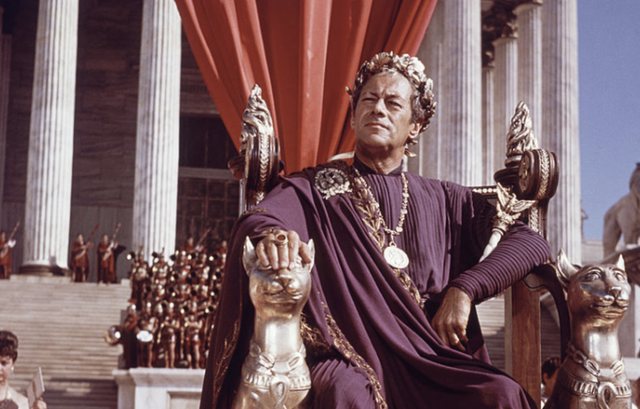
Julius Caesar was known for many things: his relationship with the Egyptian queen , Cleopatra , his position as “ Eternal Dictator ” of the Roman Republic , and his political and military skills . However , he is less known for his contribution to the creation of a calendar , which was used for more than 1,600 years , until a new calendar modified Caesar ’s model .
Before Caesar created a new calendar, the Romans used a calendar based on the phases of the moon . It is said that it was created by Romulus , the founder of Rome, and originally consisted of 10 months . The year began in March , and had a total of 304 days .
That calendar was modified over the years to make the calendar more closely follow the lunar cycle , adding two more months, January and February , at the beginning of the year. This change increased the number of days in the calendar year to 355 .
The calendar didn't stay in sync with the seasons, so the Romans solved the problem by adding a leap month called Mercedonius (or Intercalaris ) every few years . The Romans added the leap month by dropping the last days of February and adding it to the following month , bringing the year to 377 days .
Vendimi se kur të shtohej ky muaj i takonte Pontifex Maximus, kryepriftit në Romën e Lashtë. Kjo i dha atij shumë pushtet, pasi mund të shtonte qëllimisht vitet e brishta për të zgjatur mandatin e tij, ose të anulonte një vit të brishtë për të shkurtuar mandatin e pasuesit të tij.
Duke pasur parasysh fuqinë që kishte kryeprifti në shtimin e muajit të brishtë, kur Çezarimori pushtetin në Romë, kalendari ishte 3 muaj përpara vitit diellor. Meqë kalendari i mëparshëm bazohej në ciklin hënor, Çezari së bashku me astronomin Sosigen, krijuan një kalendar të ri të bazuar në vitin diellor ose tropikal.
Ky kalendar i ri, i njohur tani si Kalendari Julian, kishte 365 ditë të ndara në 12 muaj. Ai i shtonte një ditë shkurtit çdo 4 vjet për të bërë një “vit të brishtë”. Por Sosigeni e mbivlerësoi gjatësinë e vitit me 11 minuta e 14 sekonda. Një kohë në dukje e parëndësishme, por egrumbulluar për qindra vjet derisa, rrezikonte që datat e kalendarit të mos përputheshin më me stinët.
Kalendari i Çezarit nuk ishte i përsosur, por ishte shumë pranë kalendarit që përdorim sot. Papa Gregori XIII donte të ndreqte mospërputhjet e kalendarit dhe stinëve. Ndaj krijoi një kalendar të ri, të cilin e modeloi atë sipas kalendarit Julian.
Kur u bë kalimi nga kalendari Julian, në atë që do të njihej si kalendari Gregorian, duheshin anashkaluar disa ditë për të “kapur” kalendarin në vitin diellor. Papa Gregori XIII, qëprezantoi kalendarin e ri, firmosi një dekret papal në vitin 1582, ku deklaronte se duhet të anashkaloheshin 10 ditë nga kalendari i vjetër.
Only Italy, Poland, Portugal, Spain and France adopted the new calendar that year . The rest of the world did so much later , causing many days to be lost over the years. The Julian calendar began to be rarely used . This took more than 300 years of transition , and now the Gregorian calendar is the one used worldwide .
In the early 1900s , it was adopted by the last remaining countries outside it./ bota.al


Happening now...















83 mandates are not immunity for Rama's friends
Nga Gentian Gaba
ideas

"Preliminary sentence for Belinda Balluku", response to Baton Haxhiu
Nga Blendi Kajsiu

Teatri që fsheh prapaskenën
Nga Patrik Sadikaj

Berisha's red line and the black line of democracy in the DP
Besmir Semanaj
top



Alfa recipes




TRENDING 




services
- POLICE129
- STREET POLICE126
- AMBULANCE112
- FIREFIGHTER128