


FLASH NEWS
Why do many ancient statues have broken noses?

2022-09-19 20:13:19 / MISTERE&KURIOZITETE
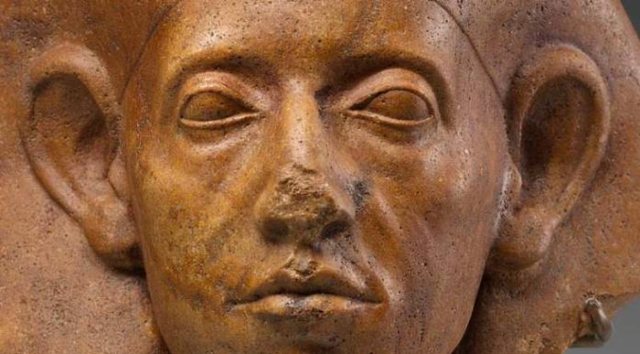
If you've ever visited a museum, you've probably noticed that one of the common features of the sculptures is the fact that most are missing noses — the ones that are missing are usually broken in half or chipped. This is observed in all cultures and time periods of ancient history.
It is by no means a feature limited to the sculptures of any particular culture or era. Even the nose of the Great Sphinx, in the Pyramids of Giza in Egypt, is known to be missing. And if you've noticed something like this, you've probably asked yourself, "What happened to the nose?"
It is true that some ancient sculptures were deliberately altered by people at different times for different reasons. For example, according to mentalfloss.com, there is a Greek marble head of the goddess Aphrodite from the first century AD that was discovered in the Athenian Agora.
You can tell that this particular marble head was vandalized at some point on purpose by the Christians because they carved a cross on the goddess's forehead. This marble head, however, is a case that is not representative of most ancient sculptures that lack a nose.
For the vast majority of ancient sculptures missing noses, the reason for their absence has absolutely nothing to do with humans. Instead, the reason for the lack of a nose has to do simply with the natural wear and tear the sculpture has suffered over time, writes abcnews.al.
The fact is that the ancient sculptures are thousands of years old and all have undergone considerable natural wear and tear over time. The statues we see in museums today are almost always battered and damaged by time and exposure to the elements.
Parts of sculpts that stick out, such as noses, hands, heads, and other appendages, are almost always the first parts to break, while other parts that are more tightly attached, such as legs and torsos, generally have more likely to remain intact.
Happening now...










Denouncing Berishism is a prerequisite for denouncing the government
Nga Blendi Kajsiu
ideas



top



Alfa recipes








services
- POLICE129
- STREET POLICE126
- AMBULANCE112
- FIREFIGHTER128