


FLASH NEWS
The seven scariest things in space

2025-06-18 16:47:39 / MISTERE&KURIOZITETE
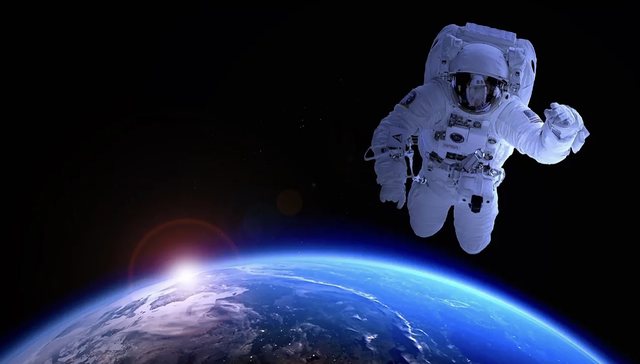
space
The final frontier. The region between our home planet and everything else in the universe is a vast unknown. Full of untold wonders, celestial objects so large they can't be grasped by our imagination, and truly catastrophic events . Here are 7 of the scariest things in space:
The appearance in our solar system last year of the largest comet ever observed was truly terrifying. At 85 miles (137 kilometers) wide and with an icy core 50 times larger than the previous record holder, and with a mass 100,000 times greater than that of the average comet, comet C/2014 UN271 ( Bernardinelli – Bernstein ) is so large that it was initially classified as a minor planet.
Fortunately, this giant snowball is predicted to come no closer than 1.6 billion km from Earth when it makes its closest approach in 2031. But could there be more of these giant comets in space? That's a truly terrifying prospect.
It may be 2.5 million light-years from Earth, but Andromeda, the largest galaxy in our Local Group, is currently on a terrifying trajectory. It's headed our way, and will one day collide with our own galaxy, the Milky Way. Thankfully, Andromeda won't get there for another 3 to 5 billion years.
3. Catastrophic solar flare
The Earth is constantly bombarded by high-energy particles from the Sun. Most of the time, our planet's magnetic field manages to deflect these solar attacks. But every now and then, some distortion of the magnetic field inside the star causes a solar flare, which releases incredible amounts of X-rays and energy traveling at the speed of light in all directions.
The result could be the disruption of communication signals. Another scenario is the impact of a coronal mass ejection (CME), a slow-burning object that sends magnetized particles into space. If a CME were to hit Earth, it would experience geomagnetic storms a few days later , which have the potential to disrupt communications and power grids .
Stuhia më e fuqishme gjeo-magnetike në historinë moderne, e njohur si Ngjarja Kerrington, ndodhi në vitin 1859, përpara epokës moderne të teknologjisë. Nëse një stuhi me madhësinë e Kerrington do të ndodhte sot, do të shkaktonte një “apokalips të internetit”, një ndërprerje që mund të zgjasë me muaj. Por mundësia e një stuhie kaq të madhe diellore vlerësohet 1.6-12 për qind çdo dekadë.
4. Vrimat e zeza mashtruese në galaktikën tonë
Vrimat e zeza janë pa asnjë dyshim të tmerrshme: Këto mbetje të grimcuara të një ylli masiv që shpërtheu si një Supernova janë aq të mëdha saqë asgjë, madje as drita, nuk mund t’i shpëtojë gllabërimit prej saj. Fatmirësisht, ne mund të shohim nga një distancë e sigurt imazhin e parë të Shigjetarit A* , vrima e zezë supermasive në qendër të Rrugës së Qumështit. Në fund të fundit, ajo ndodhet 26.000 vite dritë larg Tokës.
Por jo të gjitha vrimat e zeza në Rrugën e Qumështit janë aq të largëta sa ky përbindësh në qendër të galaktikës tonë; Mendohet se në Rrugën e Qumështit ekzistojnë mbi 100 milionë vrima të zeza, një pjesë e madhe e të cilave mund të enden nëpër Rrugën e Qumështit. Këtë vit, shkencëtarët dalluan përmes teleskopit hapësinor “Hubble” një vrimë të zezë mashtruese në galaktikën tonë. Ajo ndodhet vetëm 5000 vite dritë nga Toka. Madje ata matën edhe masën e saj: 7 herë më shumë se masa e Diellit.
5. Një Supernova në “zonën e vrasjes”
Nëse një yll vdes në një shpërthim masiv të quajtur Supernova, çdo gjë brenda një “zone vrasëse” specifike do të fshihet nga valët intensive të rrezatimit. Astronomët kanë llogaritur se zona vrastare shtrihet 40 ose 50 vite dritë nga shpërthimi i një Supernove, dhe asnjë yll i njohur brenda asaj afërsie me Tokën nuk ka të ngjarë të shpërthejë së shpejti.
Megjithatë, ka gjasa që rrezet X me energji të lartë dhe rrezet gama nga Supernovat më të largëta, mund të ndërveprojnë me atmosferën e Tokës dhe të dëmtojnë shtresën e ozonit, gjë që do ta bënte më të lehtë kalimin e rrezatimit ultravjollcë të rrezikshëm nga Dielli.
Një Supernova e afërt nuk ka gjasa të ndodhë. Edhe pse një nga yjet më të famshëm, Betelgeuse, është në prag të shndërrimit në një Supernova , ai është gati 650 vite dritë larg, gjë që do të thotë se nuk ka gjasa të ndikojë tek sistemi ynë diellor.
Supernova më e afërt me Tokën, e vëzhguar drejtpërdrejt nga astronomët në 400 vitet e fundit ishte 1987A (SN 1987A) e zbuluar në Renë e Madhe të Magelanit, një galaktikë satelite e Rrugës së Qumështit, më 23 shkurt 1987.
6. 154.741 asteroidë shtesë
There are many large objects hidden in our solar system, and we only know a fraction of them. Out there, there's likely an unknown asteroid that could destroy life on Earth, just like the one that wiped out the dinosaurs 66 million years ago. Fortunately, we're discovering more of our solar system's space rocks every day, thanks to ever-improving space telescopes.
In fact, scientists think that 90 percent of “planet killer” objects are near Earth, and those larger than 1 km in diameter have been found to be where they are. However, the European Space Agency’s Gaia space telescope discovered this year that there are about 10 times more asteroids in the solar system than astronomers thought. The new dataset includes more than 150,000 objects in the solar system, most of them asteroids .
A total solar eclipse is a fascinating celestial event. But it can also be frightening. As the Moon covers 95 percent of the sun's disk, the sky darkens. The temperature drops. A cold wind blows over you, and shivers run through your body.
Many people start to panic: maybe the sun will never come back. Seeing the golden circle of the Sun with the naked eye is the pleasure that anyone who stands in the shadow of the Moon gets. But the feeling of unease will stay with you until the daylight returns a few minutes later, or maybe even longer./ Bota.al





Happening now...












83 mandates are not immunity for Rama's friends
Nga Gentian Gaba
ideas



top


Alfa recipes




TRENDING 




services
- POLICE129
- STREET POLICE126
- AMBULANCE112
- FIREFIGHTER128