


FLASH NEWS
What are the criminal offenses that SPAK investigates in the field of electoral crimes? The Special Prosecution Office explains to citizens how they can report them

2025-04-22 15:31:11 / POLITIKË
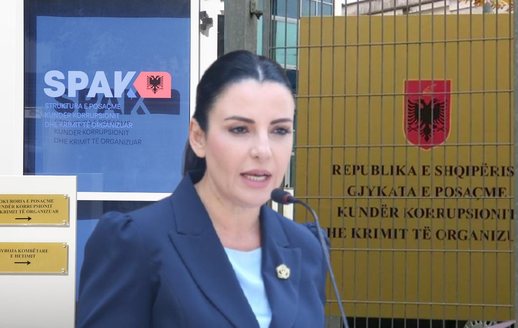
SPAK and the CEC, in cooperation with the General Prosecutor's Office, are committed to addressing electoral crimes like never before. To this end, SPAK has designed an online form where anyone can report them.
SPAK also indicates which electoral crimes it investigates, and also orients citizens on how they can file their complaints, whether in writing or in other ways.
1. What are the electoral crimes provided for in the Criminal Code?
Criminal offenses related to the electoral process are:
Obstruction of electoral subjects (Article 325);
Falsification of electoral material (Article 326);
Intentional damage to electoral material (Article 326/a);
Violation of the secrecy of voting (Article 327);
Voting more than once or without identification (Article 327/a);
Active/passive corruption in elections (Art. 328, 328/b);
Use of public office for political purposes (Article 328/a);
Threatening or violence against election participants (Article 329);
Voter obstruction (Article 330);
Abandonment of duty by members of election commissions (Article 330/a);
Violation of the right to vote (Article 331);
Illegal obtaining or use of identification documents (Article 331/a);
Abuse of military or police authority (Art. 332, 332/a).
2. Does SPAK have the authority to investigate electoral crime?
SPAK has limited jurisdiction to investigate certain criminal offenses related to elections, based on:
Law No. 95/2016 “ On the organization and functioning of institutions to combat corruption and organized crime ”.
3. What are the main criminal offenses that SPAK directly investigates in the context of elections?
SPAK has direct competence to investigate:
ACTIVE CORRUPTION IN ELECTIONS – Article 328 of the Criminal Code;
This criminal offense includes giving money, material goods, promises of jobs or other favors in any form to the voter or other persons related to him, with the purpose of:
obtaining signatures for the nomination of a candidate for election;
to vote in a certain way;
to participate or not in voting, or to engage in illegal activities; to support a candidate or political party.
Sentence: Imprisonment from 1 to 5 years.
4. When will SPAK's competence to investigate electoral crimes be expanded?
SPAK receives expanded jurisdiction when these acts are committed by:
5. Who are the senior public officials who can be investigated by SPAK if they commit an electoral crime?
SPAK investigates any criminal offense related to elections if committed by the following officials:
Member of the Council of Ministers (minister, deputy minister);
Judge of the Constitutional Court or the Supreme Court;
The High Inspector of Justice;
Heads of central or independent state institutions such as:
The Director of the State Police, the Chief of the General Staff of the Armed Forces, the Inspector General of the High Inspectorate for Declaration and Control of Assets and Conflict of Interest, the Governor of the Central Bank of Albania, the Chairman of the High State Audit, the Chairman of the Central Election Commission and the Director of the State Intelligence Service.
6. Does SPAK supervise the financing of political parties during the election campaign?
SPAK is not the institution responsible for monitoring and supervising the financing of political parties. This competence belongs to the Central Election Commission (CEC), which conducts administrative investigations based on:
Electoral Code (articles 86-92/7);
Law No. 8580, dated 17.2.2000 “On Political Parties” (article 15/2).
7. When can SPAK investigate the financing of political entities, including those during the election period?
SPAK investigates issues related to the financing of political entities only when:
The financing is linked to organized crime or terrorism;
The funding originates from criminal offenses of a corrupt nature, etc.
8. How can electoral crimes be reported to SPAK?
To report an electoral crime to SPAK, the following three forms can be followed:
This is a report that is made in writing and submitted to SPAK. In this case, the report must contain detailed information regarding the alleged criminal offense, including possible information about the perpetrators and evidence supporting the allegations.
It can be sent by mail.
Oral report to the judicial police :
This type of report is made orally and can be made directly to the judicial police , in the city where the criminal offense is alleged to have been committed. After receiving the criminal report, the judicial police have the obligation to register it and immediately notify SPAK for verification and opening of investigations.
Report on the dedicated platform on the official SPAK website :
This platform ensures the anonymity of the whistleblower and also allows the uploading of documents or audio/visual materials.


Happening now...










83 mandates are not immunity for Rama's friends
Nga Gentian Gaba
ideas

"Preliminary sentence for Belinda Balluku", response to Baton Haxhiu
Nga Blendi Kajsiu

Teatri që fsheh prapaskenën
Nga Patrik Sadikaj

Berisha's red line and the black line of democracy in the DP
Besmir Semanaj
top



Alfa recipes




TRENDING 




services
- POLICE129
- STREET POLICE126
- AMBULANCE112
- FIREFIGHTER128