


FLASH NEWS
'SY m'SY': Rama-Berisha duopoly dominates online media during election campaign

2025-04-28 21:14:16 / POLITIKË

In the May 11 parliamentary elections, over two thousand candidates are competing for a seat and ticket in the Assembly, but nevertheless, media attention and public clicks have focused on a well-known gladiator duel - an old and repeated ritual between two protagonists that have defined the contours of Albanian political life for decades.
Content data from tens of thousands of articles analyzed by BIRN – published on the websites of 8 television stations, 7 newspapers and 25 portals – shows that digital media coverage in the first two weeks of the election campaign has been relatively passive, with 58% of news published in the form of 'political statements' by parliamentary candidates, often 'copy-pasted' from social media posts and live broadcasts, among which the 'SY m'SY' format piloted by the Prime Minister on Facebook stands out.
According to the analyzed data, only 13.1% of the published articles are direct media reporting of events and pseudo-events of the electoral campaign, 17.4% are opinions from analysts and journalists, 5.3% are news that focus on the electoral process, and the remainder covers administrative processes, polls, and statements by participants in evening television debates.
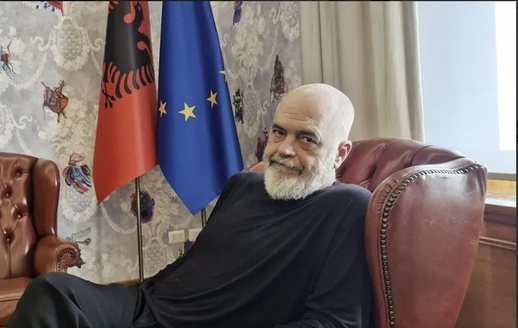
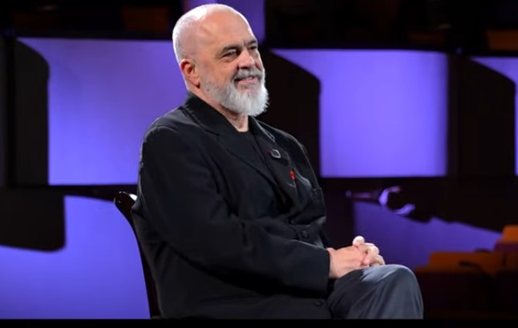
This landscape of media coverage appears even less pluralistic when considering the fact that 58.2% of the 'political statements' published by online media belong to only two candidates for MP – Prime Minister Edi Rama and the leader of the largest opposition party, Sali Berisha – while most of the other candidates remain almost invisible, in the shadow of the two leaders who have monopolized the public space.
Isa Myzyraj, head of the Albanian Journalists Association, says that this media duopoly comes as a result of the editorial offices' demand to generate income from parliamentary candidates and election campaigns.
“Editorial offices expect media coverage to translate into money,” Myzyraj said, noting that in addition to the main leaders, other candidates are expected to pay. “The media also lacks the human resources to cover the campaign on the ground,” he added.
Media duopoly
Although the Electoral Code in Albania does not regulate online media coverage during election campaigns, equal and objective coverage of candidates enables voters to make informed choices on the day they head to the ballot box.
The number of online media outlets has seen an explosion in recent years with the opening of hundreds of news portals and blogs. However, most of these sites lack a strong editorial structure nor sufficient human resources for professional and independent coverage of complex political events, such as election campaigns.
Në zgjedhjet parlamentare të 11 majit garojnë 3 koalicione, 8 parti politike dhe 2046 kandidatë për 140 mandate në Kuvendin e Shqipërisë. Megjithë numri i madh të kandidatëve, aktiviteti i atyre që ka gjetur pasqyrim në mediat online gjatë fushatës mund të numërohet në gishtat e njërës dorë.
Pasi analizoi më shumë se 13 mijë artikuj të publikuar në dy javët e para të garës elektorale nga 40 media online të përzgjedhura gjatë periudhës 11 prill deri më 24 prill, BIRN zbuloi se ka një përqendrim të madh të mbulimit mediatik te dy grupimet kryesore politike.
Aleanca për një Shqipëri Madhështore e udhëhequr nga Partia Demokratike mori 47.1% të mbulimit të përgjithshëm mediatik, e ndjekur nga afër nga Partia Socialiste me 46.2%.
Në kontrast, Demokratët Euro-Atlantikë të Lulzim Bashës, të cilët renditen të tretët, u përfaqësuan vetëm me 3.1% të mbulimit mediatik, ndërsa të gjitha subjektet e tjera politike së bashku morën vetëm 3.6%.
Për sa i përket aktorëve politikë, 36.9% të deklaratave të botuara i përkasin kryeministrit Edi Rama dhe 26% liderit të opozitës Sali Berisha.
Ndërsa pjesa e mbetur e deklaratave të botuara ndahet midis kandidatëve të tjerë në zgjedhje dhe përfaqësuesve të partive politike. Mbulimi i aktorëve politikë ka qenë relativisht i njëtrajtshëm midis faqeve në internet të televizioneve, gazetave dhe portaleve.
Analiza e përmbajtjes së deklaratave politike gjatë dy javëve të para të fushatës tregon se ato u dominuan ndjeshëm nga akuzat dhe sulmet politike, më shumë sesa nga diskutimet thelbësore mbi politikat publike dhe premtimet elektorale.
Çështjet ekonomike dhe ato që lidhen me drejtësinë u trajtuan në mënyrë të dukshme, por shpesh të kornizuara në një ton konfliktual.
Në kontrast, fusha të tilla si çështjet sociale, barazia gjinore, angazhimi i diasporës dhe politika e jashtme morën shumë më pak vëmendje, duke pasqyruar një diskurs fushate të përqendruar më shumë te rivaliteti politik sesa te adresimi i shqetësimeve të qytetarëve.
Opinionet dhe blogjet e publikuara gjatë dy javëve të para të fushatës vazhduan të pasqyrojnë tendencën e përqendrimit dhe polarizimit të vërejtura edhe në paqyrimin në lajme.
Partia Socialiste ishte fokusi kryesor i këtyre artikujve, duke u shfaqur në 59% të të gjitha opinioneve dhe analizave, e ndjekur nga Aleanca për një Shqipëri Madhështore me 34.2%, ndërsa subjektet e tjera politike u trajtuan vetëm në 6.8% të përmbajtjes.
Ndërsa ofronin një hapsirë më analitike se lajmet dhe deklaratat politike, shumica e këtyre opinioneve karakterizoheshin nga një ton negativ ose i përzier, duke forcuar narrativën e polarizuar të fushatës.
Shtohen të ardhurat nga reklamat
Sipas Institutit Kombëtar të Statistikave, INSTAT, 86.2% e individëve e përdorin internetin disa herë në javë dhe 99.9% e shqiptarëve zotërojnë telefona celularë inteligjentë, çka u jep mundësinë të aksesojnë përmbajtjen e medias online falas.
Local digital media, often referred to as news portals, have become one of the main sources of information in the country.
According to a media consumption survey published by BIRN in July 2023, 69% of Albanians use online media every day or almost every day, and another 14% at least once a week.
During the last parliamentary elections in 2021, the campaign was dominated by advertising in audiovisual media, where according to BIRN calculations, political parties spent millions of euros on political advertising in these media.
Meanwhile, in the campaign for the 2023 local elections, part of the political parties' spending was channeled to 'billboards' and 'city lights' advertisements.
Two-week data from the election campaign for the May 11 parliamentary elections show that advertising on online media sites is taking up a significant portion of the budget of candidates and political parties.
In addition to editorial coverage, BIRN also monitored the display of political advertisements in online media during the first two weeks of the campaign.
In total, 55 'banner' advertisements promoting political parties or candidates were found, distributed in 33 different media./ Reporter.al
-

-

How is his relationship with Egli? Here's what Gjesti says!
April 28, 20:59
Happening now...


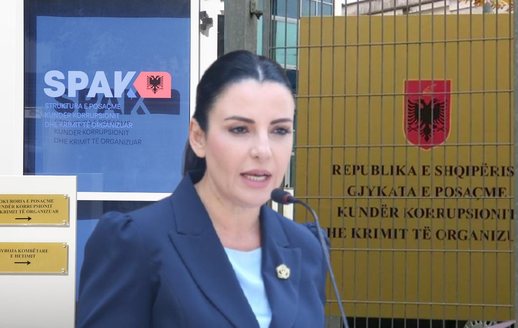

83 mandates are not immunity for Rama's friends
Nga Gentian Gaba
ideas

"Preliminary sentence for Belinda Balluku", response to Baton Haxhiu
Nga Blendi Kajsiu

Teatri që fsheh prapaskenën
Nga Patrik Sadikaj
Berisha's red line and the black line of democracy in the DP
Besmir Semanaj
top

Alfa recipes

TRENDING 




services
- POLICE129
- STREET POLICE126
- AMBULANCE112
- FIREFIGHTER128