


FLASH NEWS
"One of the largest civic movements since the fall of the communist system"/ 23 days of revolt for Rama's resignation, DW: What is keeping the protest alive in Albania?

2026-06-23 08:26:52 / AKTUALITET
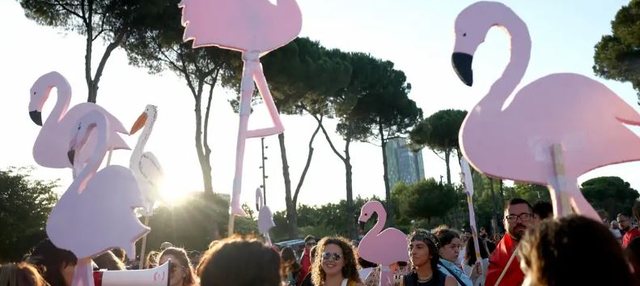
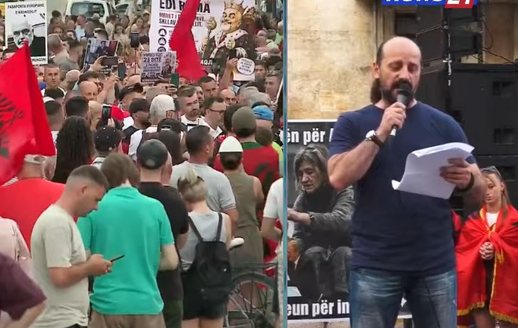
Every evening, at 7:00 PM, you find protesters in the same square, with the same symbols and the same demands. What is keeping the protest alive in Albania?
Three weeks of resistance
The resistance of the protest cannot be explained only by the events of the last few weeks. For academic Artan Fuga, it is the product of a dissatisfaction that has been building for years outside of institutions and traditional politics.
“The protest is read as a sudden outburst of anger only for those who have chosen to ignore what has been articulated on social networks for years,” he tells Deutsche Welle, adding that “in the last 5-6 years, the dissatisfaction expressed on social networks has been extraordinary.”
According to Fuga, criticism has been constantly strengthened towards government policies, the prime minister and the opposition. Essentially, he argues, the belief that “the position and the opposition are the same thing, part of a common establishment” that has continued to dominate Albanian political life for decades has been consolidated.
Enough with the old political class
According to political scientist Blendi Kajsiu, causes and ideas that are often found on opposite sides of the political spectrum are coexisting in the square. According to him, what unites the protesters is no longer ideology, but the rejection of the political model.
“We are witnessing a deep crisis of the Albanian democratic model,” Kajsiu argues for Deutsche Welle. The protesters are not just opposing the government, but a system that has privatized power and political representation. “No one agrees with the model of private democracy that Ramadhe Berisha has built,” he says, adding that the main narrative of the protest is “enough with the old political class.”
Academic Artan Fuga says that what has happened in Albanian society that Western sociology has explained for decades, that “if political rotation does not refresh the political elites, on a certain day those elites find themselves facing revolt and street pressure.” According to him, a part of public opinion concluded that political change had become almost impossible, with the majority relying on a system that favors the ruling party and the opposition involved in internal crises, without a convincing alternative.
Zverneci, simbol i modelit politik
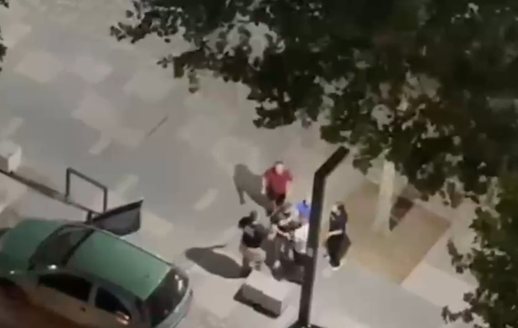
Pamjet kur në rërën e Zvërnecit, para kamerave të telefonave dhe në prani të policisë së shtetit, tërhiqej zvarrë nga punonjës të sigurisë private një protestues, u shpërndanë me shpejtësi në rrjetet sociale. Revolta shpërtheu.
Për akademikun Artan Fuga, ajo skenë shpjegon pse një protestë për mbrojtjen e natyrës u shndërrua në diçka shumë më të madhe.”Ishte një element shokues, rrënqethës për opinionin publik shqiptar” – thotë ai. “Ngjarja nxori në pah raportin e qytetarit me shtetin, të individit me të drejtat e tij dhe përplasjen mes interesit privat dhe të drejtës publike”. Këto, sipas tij janë çështje themelore në shoqërinë shqiptare, për të cilat prej kohësh janë shfaqur pakënaqësi të mëdha.,
Politologu Blendi Kajsiu thotë se hapësira publike nuk përfshin vetëm territorin, por edhe institucionet, shtetin dhe partitë politike.
Në këtë kontekst, gardhi i ngritur në Zvërnec “është një manifestim fizik i rrethimit të institucionit të kryeministrisë, të parlamentit dhe të partive politike nga ‘pronarët’ e tyre” – shprehet Kajsiu. Ai e sheh protestën si një reagim qytetar për të zgjeruar hapësirën publike kundër ngushtimit të saj nga interesa të ngushta private.
Gen Z nuk pret “shpëtimtarë”
Fakti që protesta nuk ka një drejtues nuk është rastësi për politologun Kajsiu. Ai e lexon si pasojë të mosbesimit ndaj lidershipit politik dhe të frikës se çdo figurë e re mund të riprodhojë të njëjtat modele që protestuesit po kundërshtojnë. “Lëvizja është shumë pluraliste nga pikëpamja ideologjike, sociale dhe politike, për pasojë është e vështirë të prodhojë një lidership përfaqësues për të gjitha fraksionet që e përbëjnë atë” – shton ai.
Për akademikun Artan Fuga kjo protestë zhvillohet në një Shqipëri shumë ndryshe nga ajo e viteve të tranzicionit. Sipas tij, emigracioni ka sjellë një transformim të thellë kulturor dhe qytetar, veçanërisht tek brezat e rinj.
“Edhe pse nuk është më simboli ‘E duam Shqipërinë si gjithë Europa’, përmbajtja është ajo” – argumenton Fuga. Përmes familjarëve, emigracionit dhe kontakteve të përditshme me Perëndimin, qytetarët kanë krijuar pritshmëri të reja për mënyrën se si duhet të funksionojë shteti, drejtësia dhe raporti i individit me pushtetin.
E ardhmja e protestës?
Për politologun Blendi Kajsiu, sfida e vërtetë e protestës nis aty ku mbaron revolta. “Protesta qytetare duhet të fillojë ndërtimin e strukturave demokratike dhe pjesëmarrëse që do të kanalizojnë dhe institucionalizojnë kërkesat e saj politike dhe demokratike” – shprehet Kajsiu.
Për Fugën, beteja e momentit është një “lojë nervash” mes protestës që kërkon të zgjerohet dhe të ruajë vrullin e saj, dhe pushtetit që nuk jep shenja se do të tërhiqet. Sipas tij, ka një hendek të madh mes qytetarëve dhe klasës politike.
"The urban Albanian electorate, and especially the youth, are higher in political culture and civic consciousness than the current political class," says Fuga, adding that the Albanian political system has entered a deep crisis that will continue beyond the protest./DW
Happening now...






Sali is gone, Rama is gone.
Nga Bato Kosova
ideas



top

Alfa recipes

TRENDING 




services
- POLICE129
- STREET POLICE126
- AMBULANCE112
- FIREFIGHTER128