


FLASH NEWS
HIV Report 2025: Albania faces a new wave of infections, record since 2016

2026-04-22 08:21:37 / AKTUALITET
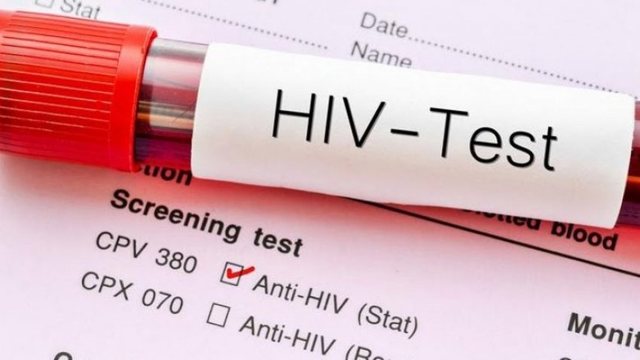
After a decade of fluctuations and stabilization, Albania is witnessing a worrying increase in new HIV cases.
According to the latest data from the Institute of Public Health (IPH), 2025 has marked 125 new cases through October, signaling a return to the highest levels recorded since 2016. Since 1993, the total number of people affected in the country has reached a total of 1,973.
The Public Health Institute's study shows that HIV infection remains largely a phenomenon concentrated in large urban centers, where population mobility and density are highest. Almost half of all cases in the country reside in the capital.
This concentration is related to the greater opportunities for testing, but also to the urban lifestyle. After Tirana comes Durrës with 7.8% of cases, Elbasan with 7.1%. Shkodra (4.5%) and Vlora (3.4%) follow the list, while cities such as Lushnja, Fieri, Korça, Gjirokastra and Saranda fluctuate between 2% and 3%.
Experts note that while the numbers are lower in the districts, this may mask a lack of access to testing and fears of prejudice in small communities.
The study confirms that HIV is mainly affecting the most active and productive age group of society. The sex ratio remains high, with 3.5 males for every 1 female diagnosed. Incidence peaks in the 25–29 age group, with 24 cases per 100,000 inhabitants. This indicates a high exposure of young people to risky behaviors.
Unlike men, in women the risk appears higher at a more mature age, specifically in the age group 40–49 years. Although a progressive decrease is seen after the age of 40, cases remain present in every age group, indicating that no one is completely immune from the risk of transmission.
The study found that the main route of transmission in Albania is not injecting drug use, but unprotected sexual intercourse. Heterosexual transmission remains the dominant route, reaching 87% of cases by 2025 alone. Men who have sex with men remain a high-risk group. However, IHP specialists raise the alarm that this figure may be underreported due to strong stigma, which pushes these individuals to hide the mode of infection or avoid testing.
Although at low levels, 1 case of mother-to-child transmission of the virus was recorded in 2025, which highlights the need for mandatory testing during pregnancy.
The big problem, late diagnosis
One of the most critical challenges of the Albanian healthcare system is late diagnosis, notes the IHP. In 2025, 34% of new cases were detected when the patient was already in the AIDS stage. This is because individuals present to the hospital only when they show severe symptoms, missing the opportunity to start Antiretroviral Treatment (ART) in time, which would ensure a normal life and prevent further spread.
By the end of October 2025, about 60,000 tests had been performed nationwide. However, the majority of them (59.3%) came as medical referrals and not as a voluntary request from the individual.
The state offers free and confidential testing at the Public Health Institute and the Outpatient Clinic at the QSUT, at Local Public Health Units in 12 prefectures and regional hospitals and certified private laboratories.
IHP experts urge that recognizing status is not only protection for oneself, but also an act of responsibility towards society, as early testing saves lives./ Monitor
Happening now...















ideas


Silence as a policy and fear as a system
Nga Sokol Neçaj

Is Spiropali a "Magyar", facing the autocrat Rama?!
Nga Neli Demi
top



Alfa recipes








services
- POLICE129
- STREET POLICE126
- AMBULANCE112
- FIREFIGHTER128