


FLASH NEWS
Fear for the fate of the Iranian president/ How Ebrahim Raisi "paved" the way to being elected as Iran's number 2

2024-05-19 22:30:48 / BOTA
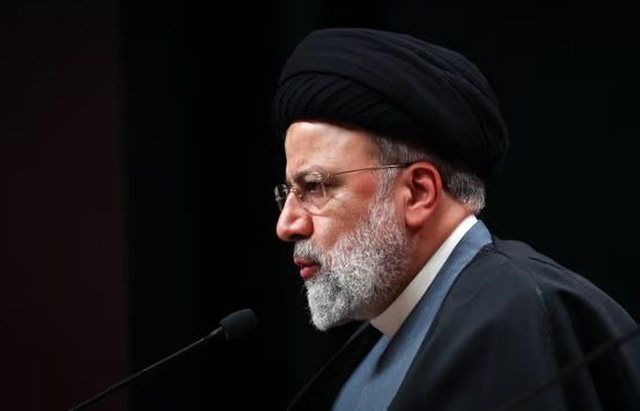
The president of Iran, Ebrahim Raisi, who has disappeared in the mountains of Iran after the helicopter he was traveling in crashed near the border with Azerbaijan, is a "hardline" figure who has played an important role in recent years in the return of Iran towards the more uncompromising beliefs of the revolutionary founders of the Islamic Republic.
A supporter of deeply conservative values on the domestic front, in terms of foreign policy, Raisi also created an increasingly aggressive stance. It was while he was already in office that Tehran chose to launch its latest unprecedented missile and drone attack against Israel, bringing the two countries into direct and open conflict for the first time.
While he was elected president in June 2021, presenting himself as the best person to fight corruption and Iran's economic problems. Raisi had long held important posts in Iran, including a key role in the so-called Death Committee responsible for the execution of thousands of prisoners in the 1980s, which he has denied.
Born in 1960, Raisi was part of the revolution that overthrew the Shah as a teenager after traveling to Qom to attend a Shiite seminary at the age of 15, following in his father's footsteps.
While still a young student, he joined the mass protests against the Western-backed Shah in 1979 that would lead to the Islamic Revolution under Ayatollah Ruhollah Khomeini, a cleric until his dramatic return from exile in France.
In the turbulent early years of the Islamic Revolution, Raisi continued his studies at Shahid Motahari University in Tehran, where he received his doctorate in jurisprudence and Islamic law.
Joining the judiciary, Raisi, just 25 years old – like many other young men of his generation – would find himself catapulted into an important post, in his case as Tehran's deputy prosecutor.
It was around this time that he became one of four judges on the infamous Committee of Death, a secret court set up in 1988 to retry thousands of prisoners, many of them members of the Mujahedin-e Khalq group.
Raisi would later serve as Tehran's chief prosecutor, then head of the State Inspectorate Organization.
In 2006, Raisi was elected to the Assembly of Experts, which is charged with appointing and overseeing the supreme leader and whose members are approved by the powerful Guard Council.
After the disputed 2009 presidential election sparked months of public protests, Raisi supported brutal crackdowns and mass incarceration. He became the country's general prosecutor in 2014.
He was sanctioned by the US Treasury Department in 2019 for his role in domestic repression.
Hassan Rouhani's successor as president, Raisi's election victory represented a push by Iran's ultra-conservatives on the 2015 nuclear deal with world powers that gave Iran relief from international sanctions.
Under Raisi, Iran enriched uranium to near-weapons-grade levels and thwarted international inspections.
Raisi won the 2021 presidential election, however, that vote saw the lowest turnout in the history of the Islamic Republic.
In late 2022, a wave of nationwide protests erupted following the death in custody of Mahsa Amini, who had been arrested for allegedly violating Iran's strict Islamic dress code for women.
In a historic event in March 2023, Iran and Saudi Arabia, longtime regional enemies, announced a surprise agreement that restored diplomatic relations.
However, detente with Saudi Arabia has been somewhat unusual in terms of Iranian foreign policy under Raisi, as Iran has armed Russia in its war against Ukraine, launched a massive drone and missile attack on Israel in the middle of the war against Hamas in Gaza.
Happening now...





83 mandates are not immunity for Rama's friends
Nga Gentian Gaba
ideas


top


Alfa recipes



TRENDING 




services
- POLICE129
- STREET POLICE126
- AMBULANCE112
- FIREFIGHTER128