


FLASH NEWS
From Canada to the United Kingdom, how countries around the world reacted to Trump's auto tariffs

2025-03-27 20:44:48 / BOTA
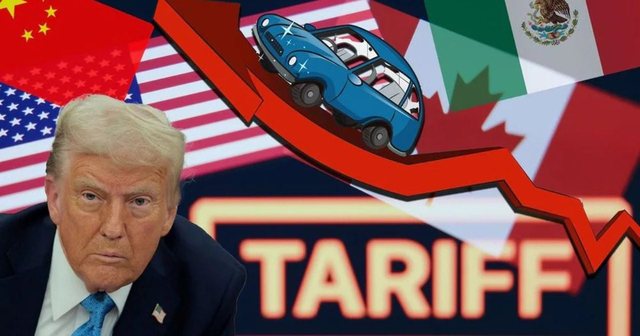
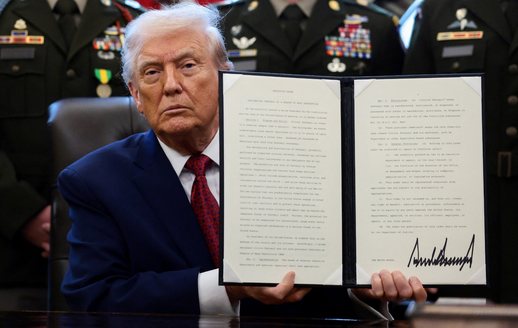
After US President Donald Trump signed an executive order authorizing 25% tariffs on cars and car parts imported into the US, leaders from foreign countries that could be hit hardest by the tariffs shared harsh public criticism.
Here's what leaders and officials from countries that will be affected by Trump's tariffs have said
Prime Minister Mark Carney said the tariffs were a "direct attack" in violation of the U.S.-Mexico-Canada Agreement and that Ottawa would consider its options for a response, including possible retaliatory tariffs.
Canada's Cabinet Committee on Canada-U.S. Relations held a meeting this morning to discuss options.
Mexican President Claudia Sheinbaum said she would offer a “comprehensive response” to the tariffs on April 3, but signaled that her government is working behind the scenes to eliminate or reduce tariffs on some vehicles and parts assembled in Mexico.
Japanese Prime Minister Shigeru Ishiba said Tokyo would consider "all options" in response to the tariffs.
"We are strongly urging that this 25% not be applied to Japan. Japan invests in the United States, creating jobs and paying higher wages," Ishiba said.
Auto companies are expected to experience significant hardship due to tariffs on cars and auto parts, said Trade Minister Ahn Duk-geun. Ahn held an emergency meeting with representatives from auto companies, industry associations and research institutions to discuss the tariffs.
On Tuesday, Hyundai pledged to invest $21 billion in the U.S. over the next three years. The investment will focus on expanding its manufacturing capabilities.
European Commission President Ursula von der Leyen said the tariffs would hurt Americans, though she stopped short of promising retaliation. The EU has announced retaliatory tariffs in response to steel and aluminum tariffs that Trump imposed this month, but postponed them in the hope of reaching a deal.
Unlike its Asian rivals, China's auto industry has been largely insulated from this round of tariffs. The Biden administration raised tariffs on Chinese electric vehicles to 100%, effectively shutting them out of the market. However, foreign ministry spokesman Guo Jiakun accused the US of violating World Trade Organization rules by imposing auto tariffs.
“The UK is not planning retaliatory tariffs on US car imports at this time,” said UK Chancellor Rachel Reeves. The US is the second-largest market for UK car exports after the European Union, according to data from the Association of Motor Manufacturers and Traders.


Happening now...








America may withdraw from Europe, but not from SPAK
Nga Gentian Gaba
ideas



top



Alfa recipes



TRENDING 




services
- POLICE129
- STREET POLICE126
- AMBULANCE112
- FIREFIGHTER128