


FLASH NEWS
Five points that jeopardize US-Iran talks, from Lebanon to the nuclear issue

2026-04-10 22:10:55 / BOTA
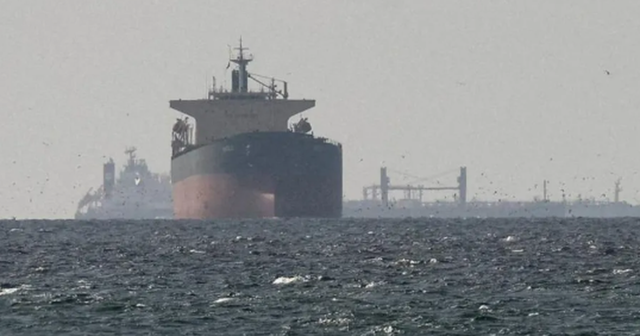
Talks between the United States and Iran, expected to take place in Islamabad, face a number of serious obstacles that could jeopardize reaching an agreement.
Although both sides have expressed willingness for dialogue, tensions in the region and deep-rooted disagreements remain key factors that could negatively impact negotiations.
One of the most sensitive issues is the situation in Lebanon. Israel's continued attacks on Hezbollah, an ally of Iran, risk undermining any efforts at dialogue. Tehran has warned that continuing these actions could render the talks meaningless.
Another critical point is the Strait of Hormuz, a vital route for oil transportation. Currently, shipping passage remains restricted and Iran is seeking to impose new rules on this strategic corridor, causing tensions with the United States.
The nuclear issue remains at the heart of the conflict. The US wants Iran to never develop nuclear weapons, while Tehran insists on its right to enrich uranium for civilian purposes. This clash of positions makes it difficult to reach a compromise.
Another obstacle is the role of Iran's regional allies, such as Hezbollah, Hamas, and other armed groups. The US and its allies see this network as a threat, while Iran has not signaled a willingness to give them up.
At the same time, Tehran is demanding the lifting of international sanctions and the release of billions of dollars in frozen assets, a demand that seems difficult to accept from the American side at this stage.
Despite cautious optimism from both sides, experts emphasize that the road to an agreement is long and fraught with challenges, while any developments on the ground could directly affect the fate of these negotiations. (A2 Television)
Happening now...





Denouncing Berishism is a prerequisite for denouncing the government
Nga Blendi Kajsiu
ideas



top



Alfa recipes



TRENDING 




services
- POLICE129
- STREET POLICE126
- AMBULANCE112
- FIREFIGHTER128