


FLASH NEWS
Germany's massive armament project/ Berlin seeks to build the world's largest warships, what's happening with the ambitious plan

2026-04-06 22:36:32 / BOTA
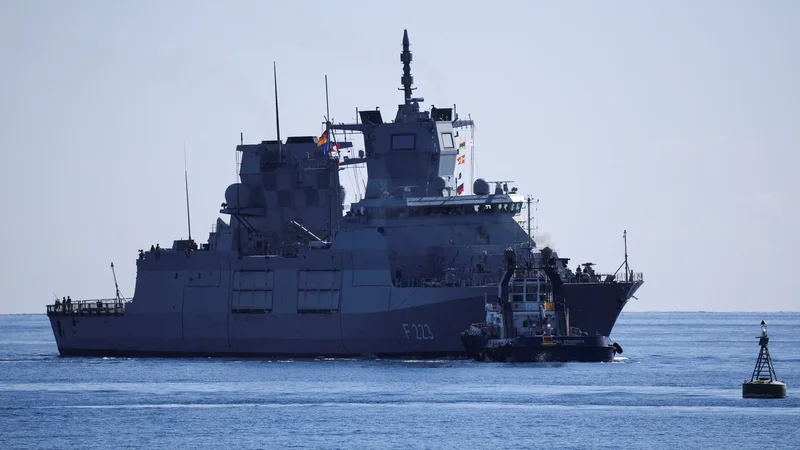
The world's largest frigate class is being built in Germany, where the first ship of the F126 project, the "Niedersachsen", is currently under construction. However, the ambitious project, considered the largest in the history of the German navy, is facing significant delays that could reach up to four years.
It was initially planned that the frigate would be deployed in the North Atlantic by 2029, but recent developments indicate that this deadline could be significantly extended.
Unlike traditional warships, the F126 is conceived as a flexible, multifunctional platform. It is based on a modular system that allows it to be adapted to different missions, including anti-submarine warfare, special forces operations or the use of drones.
Weighing in at around 10,000 tons, this frigate is among the largest in the world and offers advanced capabilities for modern technology, helicopters and unmanned systems. It is designed for long-term missions and can remain in operation for up to two years, with crew rotations, focusing more on surveillance and command of operations than on direct combat.
In parallel, Germany is considering another alternative with the Meko A-200 (F128) multifunctional frigate, for which the purchase of at least four units is planned.
Meanwhile, the global race for naval power is intensifying. The United States has announced the construction of a new generation of warships, dubbed the “Trump Class,” which are expected to be the largest and most heavily armed ever. The first ship, the “USS Defiant,” is expected to be built in the early 2030s and will include advanced technologies such as laser weapons and hypersonic systems.
However, the F126 project in Germany has been hit by serious technical and organizational problems, particularly in the area of information technology. Initially led by a Dutch company, the project encountered difficulties in coordinating and transferring data between parties, leading to significant delays.
In 2025, the project management was handed over to a German shipbuilding group, while support from the domestic defense industry is also expected to accelerate the work.
Experts estimate that, in the most optimistic scenario, the first frigate could be completed around 2031, but they also warn of a significant increase in costs, turning this project from a strategic ambition into a major challenge for the German defense industry.
Happening now...
















ideas

When cardboard and arrogance become law.
Nga Gjergji Nika

Renaissance is Disaster Capitalism
Nga Klodian Tomorri

Pse tifozeria e Kosovës ishte aq e vdekur dhe mungonin simbolet kuqezi?
Nga Kreshnik Spahiu
top



Alfa recipes



TRENDING 




services
- POLICE129
- STREET POLICE126
- AMBULANCE112
- FIREFIGHTER128