


FLASH NEWS
Trump rejects efforts by Middle East allies for ceasefire talks with Iran

2026-03-14 18:37:38 / BOTA
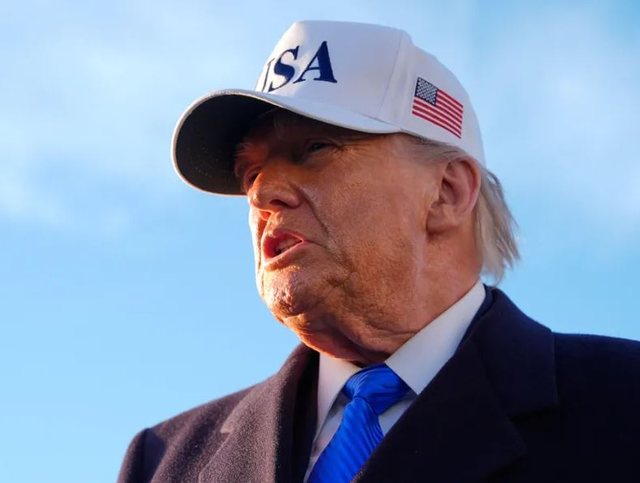
US President Donald Trump's administration has rejected efforts by some allies in the Middle East to initiate diplomatic negotiations aimed at reaching a ceasefire with Iran, according to several sources familiar with the developments.
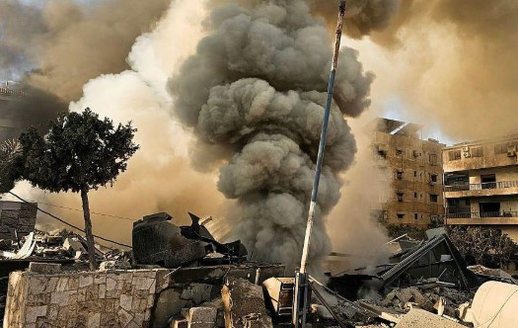
The conflict between the United States, Israel and Iran began about two weeks ago after a large-scale US-Israeli airstrike. On the other hand, Tehran has also rejected the possibility of a ceasefire until the US and Israeli airstrikes stop, making international mediation efforts fruitless.
The lack of interest from Washington and Tehran suggests that both sides are preparing for a protracted conflict. Meanwhile, the war has caused civilian casualties and shaken global energy markets, after Iran closed the Strait of Hormuz, a strategic waterway through which about a fifth of the world's traded oil passes.
The US strikes reportedly also hit Kharg Island, Iran's main oil export hub, showing the Trump administration's determination to continue military operations. Meanwhile, Iran's new supreme leader, Mojtaba Khamenei, has vowed to keep the Strait of Hormuz closed and warned of intensifying attacks in the region.
According to preliminary data, the war has caused over 2,000 casualties, mainly in Iran, and has led to the largest oil supply disruption in history due to the blockade of maritime traffic in the Strait of Hormuz.
Failed attempts at mediation
Oman, which had also mediated talks before the outbreak of the war, has tried several times to open channels of communication between the parties, but the White House has made it clear that it is not currently interested in negotiations.
A senior US administration official confirmed that Trump has rejected these efforts and is focused on continuing military operations to further weaken Tehran's military capabilities.
Meanwhile, Egypt has also attempted to reopen diplomatic communication channels, but without achieving any significant progress.
Increasingly harsh attitudes
The impact of the war on global oil markets has significantly increased costs for the US, while some US officials have warned that rising fuel prices could have political consequences for the Republican Party ahead of the upcoming elections.
On the other hand, Iranian sources say that Iran's stance has hardened and that the political leadership will not accept any ceasefire without meeting its demands.
According to a senior Iranian source, the Islamic Revolutionary Guard Corps believes that losing control of the Strait of Hormuz would mean losing the war for Iran, so it does not accept either negotiations or diplomatic efforts at this stage of the conflict.
Happening now...












ideas



top






TRENDING 




services
- POLICE129
- STREET POLICE126
- AMBULANCE112
- FIREFIGHTER128