


FLASH NEWS
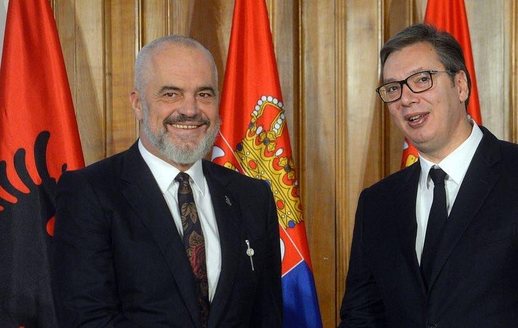
Kurti 'gives up' to Serbs, Vučić: Disaster of any conflict was avoided

2026-03-14 17:37:23 / KOSOVA
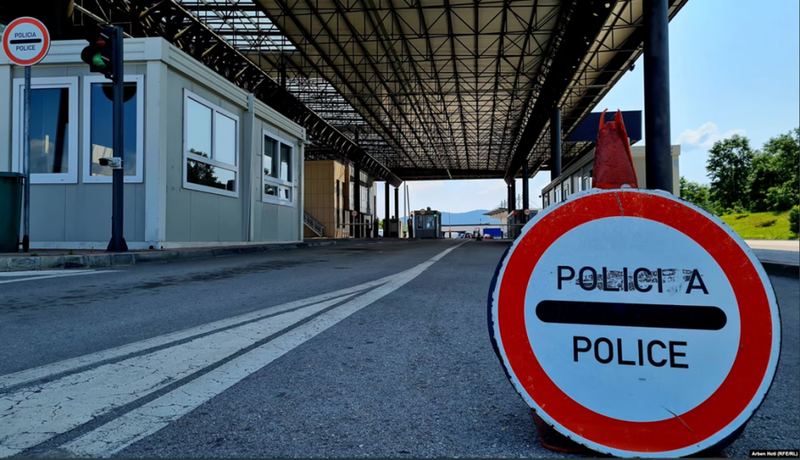
The Kosovo government has agreed to offer temporary residence permits and recognize identity cards to members of the Serbian community who do not have Kosovar documents under the Law on Foreigners and the Law on Vehicles, which will begin to be fully implemented from Sunday.
The decision by Prime Minister Albin Kurti's government comes after a meeting in Pristina with the European Union's special envoy for the dialogue between Kosovo and Serbia, Peter Sorensen, on Saturday morning, and was welcomed by both the international community and Serbia.
These two laws began to be implemented on January 15, but only as an information campaign on the procedures and rules for implementing these laws.
They are opposed by members of the Serbian community in Kosovo, their political representatives and the civil sector, who argue that such a thing will negatively affect the health and education sectors operating within the Serbian system in Serb-majority environments in Kosovo.
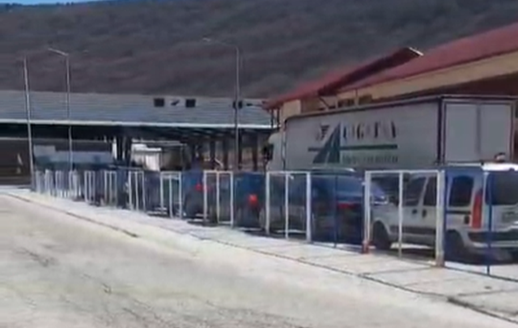
The laws will come into full force on Sunday and require that all those without Kosovo documents be provided with a residence permit, while vehicles with foreign license plates will not be able to circulate in Kosovo for longer than three months or only on the basis of authorization.
Following Saturday's decision, this will not apply for now to Kosovo Serbs without Kosovo documents, as they are able to obtain a 12-month temporary residence permit, as well as carry ID cards issued by Serbian authorities as a means of identification.
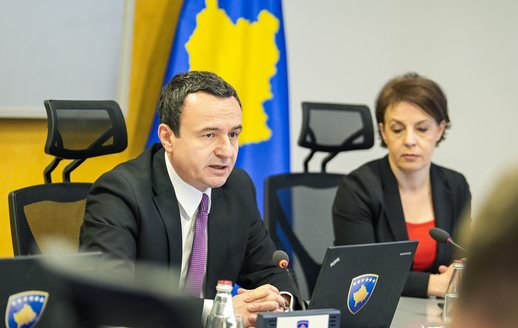
Speaking at a press conference with Sorensen and the head of the EU office in Pristina, Aivo Orav, Kurti pledged that the Government will continue working towards the full merger of the Serbian education and healthcare system into the single Kosovo system.
He said he has agreed to provide temporary residence permits for health and education workers, so that local Serbs do not lack basic services until Kosovo fully integrates them into its system.
'The government will be provided by local leaders with lists of academic and health staff engaged in providing these services, these lists will then serve to issue temporary residence permits to foreign citizens who apply to the Kosovo Ministry of Interior,' said Kurti.
He stressed that the same applies to Serbian students staying in Kosovo for studies, for whom municipal leaders will provide their list with details on the field of study to be granted a temporary residence permit for a period of 12 months, with the possibility of extension if they continue their studies.
‘Në të njëjtën kohë, Ministria e Arsimit, në bashkërendim me Sorensenin dhe me ofruesit e këtyre shërbimeve publike, fillojnë procedurat e domosdoshme dhe përcaktojnë afatet për inkorporim të plotë, përfshirë licencimin e institucioneve dhe të stafit të angazhuar’, tha Kurti.
Ndërkohë, Sorensen tha se pati takim ‘të mirë’ me Kurtin dhe se e mirëpret angazhimin e Kosovës ndaj sundimit të ligjit dhe vendimin e saj të dhjetorit për të zbatuar gradualisht Ligjin për të huajt dhe atë për automjetet, gjë që mundëson një fushatë gjithëpërfshirëse dhe të qasshme informuese për ata që preken.
‘E konsideruam si prioritet kyç që Qeveria e Kosovës të sigurojë leje qëndrimi për punëtorët dhe studentët e përfshirë për një periudhë fillestare prej 12 muajsh, me qëllim parandalimin e çdo ndërprerjeje të shërbimeve shëndetësore dhe arsimore’, tha Sorensen.
Ai tregoi se Kosovës iu kërkua të lejojë përdorimin e letërnjoftimeve të lëshuara jo më vonë se 15 mars 2026 nga Serbia për ata që jetojnë në Kosovë, si mjet identifikimi për proceset administrative.
Kurti njoftoi se Qeveria e tij do ta hapë një dritare tremujore për t’ua mundësuar qytetarëve të kombësisë serbëve për t’i ‘regjistruar faktet’.
‘Në këtë periudhë aplikantëve do t’iu lejohet ekskluzivisht përdorimi si mjet identifikimi i letërnjoftimeve të lëshuara nga strukturat ilegale, ndërsa Ministria e Brendshme do ta bëjë regjistrimin e këtyre fakteve brenda sistemit qendror të regjistrit civil të Kosovës’, theksoi Kurti.
Presidenti i Serbisë, Aleksandar Vuçiç, tha se zgjidhja e arritur në lidhje me zbatimin e Ligjit për të huajt në Kosovë përbën një lehtësim për popullin serb.
‘Edhe pse nuk ka zgjidhje të bukura dhe të lehta, është arritur një model, për hollësitë e të cilit jam në dijeni. Jam mirënjohës për përpjekjet e evropianëve që donin të shmangnin katastrofën e ndonjë konflikti’, tha Vuçiç.
Drejtori i Zyrës për Kosovën në Qeverinë e Serbisë, Petar Petkoviq, tha se zgjidhja e arritur do ta mundësojë funksionimin e pandërprerë dhe normal të institucioneve shëndetësore dhe arsimore serbe.
Në një konferencë për shtyp, ai theksoi se gjatë javëve të fundit është punuar me BE-në për të gjetur një zgjidhje dhe se është shmangur ‘skenari më i keq i mundshëm i mbylljes së institucioneve serbe në Kosovë’.
Ndërkohë, zyrtari i Listës Serbe, Igor Simiq, tha se vendimi është ‘rezultat i punës së madhe dhe diplomacisë’.
Ai shtoi se të gjitha institucionet arsimore dhe shëndetësore do të vazhdojnë të funksionojnë si deri tani, në sistemin e Serbia.
Simiq gjithashtu sqaroi se rreth 7.200 pjesëtarë të komunitetit serb nuk kanë dokumente të Kosovës për arsye të ndryshme dhe se atyre do t’u mundësohet t’i marrin ato ‘në mënyrë që të jetojnë normalisht në këto hapësira’.
Megjithatë, Simiq - cili është deputet në Kuvendin e Kosovës nga partia më e madhe e serbëve të Kosovës-e përsëriti kundërshtimin e serbëve për integrimin e institucioneve të tyre në sistemin kosovar.
'When it comes to the registration process of students, professors and health workers, it will be carried out through our educational and health institutions, with the full support of the Serbian mayors of municipalities,' said Simić.
There are 10 municipalities with a Serb majority in Kosovo and Simić said that 'there is no integration of health and education' in the Kosovo system, but that 'it is high time' to form the Association of Serb Majority Municipalities.
Kosovo and Serbia have agreed several times on such an association, but it has never been formed.
Saturday's decision was welcomed by EU chief Kaja Kallas, who said it 'has created new momentum to advance EU-Kosovo relations and the dialogue between Pristina and Belgrade'.
Kallas stressed that she is ready to mediate a high-level meeting between Kosovo and Serbia 'soon'.
The decision was also welcomed by foreign ambassadors to Kosovo, such as Germany's, Rainer Rudolph, and France's, Olivier Guerot.
The full implementation of laws on foreigners and vehicles in Kosovo was also harshly criticized by Belgrade, which described it as a 'discriminatory measure'.
Happening now...







ideas



top





TRENDING 




services
- POLICE129
- STREET POLICE126
- AMBULANCE112
- FIREFIGHTER128