


FLASH NEWS
AKSK: Cases of online violence are increasing, minors are the most at risk group

2025-12-13 22:49:20 / EKONOMI&SOCIALE
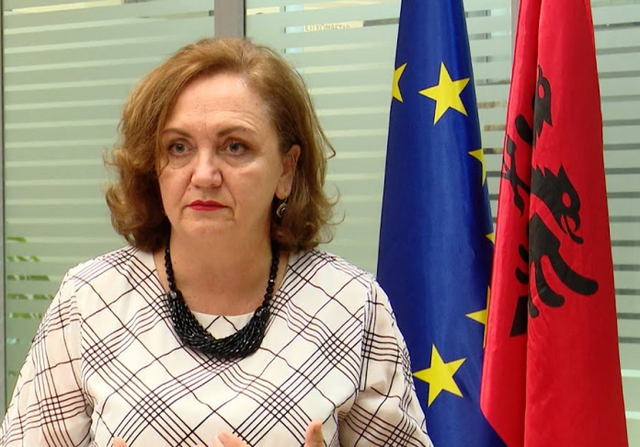
In the digital age, where communication develops at breakneck speed and social networks have become an inseparable part of our lives, online violence has become a worrying phenomenon that is increasingly affecting Albanian citizens, especially young people.
As part of the "16 Days of Activism against Gender-Based Violence" campaign, state institutions, and in particular the National Cyber Security Authority (NKSA), have taken on an important role in facing this new challenge, by building mechanisms for protection, reporting and public awareness.
Floreta Faber, deputy director of AKSK, said that "online violence is defined as any form of aggression, threat or insult that occurs through the internet and digital platforms."
"In Albania, the most widespread forms are cyberbullying, digital blackmail, fake identity fraud and hate speech on social networks. These forms have become part of digital everyday life, often going unnoticed, while their consequences severely affect the lives of individuals, especially minors. Albanian society is showing increasing sensitivity to this phenomenon, but the response still remains limited. Many cases of online violence are not reported, due to fear, shame or lack of trust in institutions. However, awareness campaigns developed by AKSK and the Ministry of Education have helped increase reporting and create a new culture of digital responsibility," said Faber.
According to Faber, "minors are the most at-risk age group and are most exposed to cyberbullying, as they are the most active users of social networks and often lack the proper knowledge about protecting personal data."
"According to data from AKSK and the State Police for 2025, over 1,200 cases of cyberbullying have been registered, of which 35 percent had minor victims, about 20 percent of cases are related to the publication of personal materials without consent, while only 40 percent of them have been officially reported. These figures show a significant increase in reports, but also in the phenomenon itself," she said.
Faber said that handling a complaint about cyberbullying follows a clear institutional procedure.
“Fillimisht, viktima ose prindi bën raportimin pranë Policisë së Shtetit ose përmes portalit të AKSK: https://aksk.gov.al/raporto-3/. Më pas, ekspertët kryejnë verifikimin teknik për të identifikuar burimin e sulmit apo llogarinë anonime. Në rastet kur konstatohet shkelje ligjore, njoftohen institucionet përgjegjëse dhe hapet çështja penale. Paralelisht, përfshihen edhe strukturat e mbrojtjes së fëmijëve dhe psikologët shkollorë, për të garantuar mbështetje emocionale dhe sociale për viktimën”, u shpreh Faber.
Zëvendësdrejtoresha e AKSK-së, theksoi më tej se “në aspektin ligjor, Shqipëria ka bërë hapa përpara në përfshirjen e krimeve kompjuterike në Kodin Penal, por ende mungon një nen specifik që të trajtojë bullizmin kibernetik ndaj të miturve. AKSK ka propozuar ndryshime ligjore që do të parashikojnë dënime më të qarta për shpërndarjen e materialeve personale dhe për përdorimin e identiteteve të rreme me qëllim abuzimi. Kjo është një nevojë urgjente, pasi realiteti digjital po ecën më shpejt se ligji”.
“Një rol të rëndësishëm në këtë luftë ka edhe shkolla. Ministria e Arsimit ka nxjerrë udhëzime të posaçme që detyrojnë institucionet arsimore të kenë një koordinator për sigurinë digjitale, si dhe të trajnojnë mësuesit për identifikimin e rasteve të bullizmit online. Edukimi për përdorimin e sigurt të internetit është integruar në lëndët e teknologjisë dhe qytetarisë, me synimin për të ndërtuar një kulturë mbrojtjeje që fillon që në bankat e shkollës”, vijoi ajo.
“Ndikimi i dhunës online në shëndetin mendor është i thellë. Psikologët raportojnë raste gjithnjë e më të shpeshta të ankthit, depresionit, izolimit social dhe uljes së vetëvlerësimit te fëmijët që janë viktima të bullizmit digjital. Prindërit duhet të jenë të vëmendshëm ndaj shenjave paralajmëruese, si ndryshime të papritura në sjellje, refuzim për të përdorur telefonin apo rrjetet sociale, nervozizëm pas përdorimit të internetit dhe humbje interesi për aktivitetet e zakonshme. Këto sinjale mund të jenë tregues të qartë të një përvoje traumatike online”, shtoi Faber.
Për të përforcuar mbrojtjen e fëmijëve, AKSK ka ofruar platformën “Raporto”, që mundëson raportimin anonim të rasteve të dhunës online.
Faber nënvizoi se “të dhënat më të fundit tregojnë që gjatë periudhës janar-shtator në këtë platformë janë raportuar 184 raste të përmbajtjeve keqdashëse online. Rreth 69 për qind e personave të prekur nga këto përmbajtje keqdashëse online ishin të mitur, nën 18 vjeç”.
“Ndërsa vajzat dhe gratë përbënin 73 për qind të viktimave të këtyre përmbajtjeve të paligjshme. Gjithashtu, janë zhvilluar fushata kombëtare, të cilat synojnë ndërgjegjësimin e nxënësve, prindërve dhe mësuesve për rreziqet e botës digjitale. Sipas sondazheve të fundit, mbi 60 për qind e të rinjve shqiptarë kanë dëgjuar për këto fushata, por vetëm 35 për qind deklarojnë se kanë ndryshuar sjelljen e tyre online, çka tregon se ndërgjegjësimi duhet të shoqërohet me edukim praktik dhe të vazhdueshëm”, theksoi ajo.
Faber stated that online violence is a challenge that requires a coordinated response from all levels of society.
"The Albanian government, through AKSK and other institutions, has laid the foundations of a digital protection system, but the work must be deepened to create a safe virtual environment for every child and citizen. Only through cooperation between the state, school and family can a new digital culture be built, where technology is a tool for development and not a source of fear or abuse", concluded Faber./ ATSH
-

Qori: Shabani belongs to Rama and Berisha
December 13, 22:43 -

Fatal accident in Tirana
December 13, 22:30 -

-
"I asked for a hunger strike", Kalaja: DP's national protest delayed!
December 13, 22:12 -

-
Qori: Shabani belongs to Rama and Berisha
December 13, 22:43 -
Fatal accident in Tirana
December 13, 22:30 -
-
"I asked for a hunger strike", Kalaja: DP's national protest delayed!
December 13, 22:12 -
Happening now...



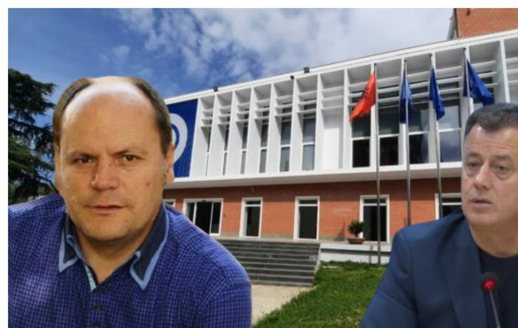

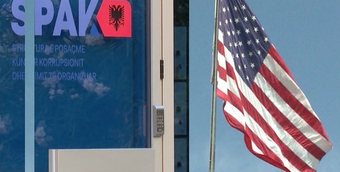
America may withdraw from Europe, but not from SPAK
Nga Gentian Gaba
ideas

Who is the Surrel Rabbit?
Nga Sidi Hasanaj
The two wrong paths of the opposition with the Ombudsman
Nga Patrik Sadikaj
top


Alfa recipes




TRENDING 




services
- POLICE129
- STREET POLICE126
- AMBULANCE112
- FIREFIGHTER128