


FLASH NEWS
The instruction comes into force, how the 10% VAT compensation for farmers will work

2026-02-09 22:24:48 / EKONOMI&SOCIALE
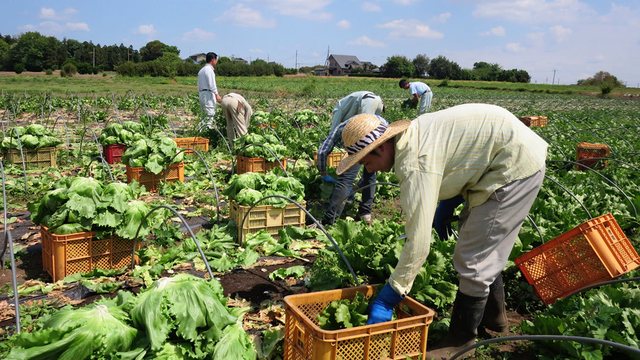
The Government has thoroughly revised the compensation scheme for agricultural producers for Value Added Tax (VAT) purposes, bringing significant changes to the method of implementation, the beneficiary entities and the compensation procedure. The legal changes are also detailed in Instruction No. 4, dated 30.1.2026, issued by the Ministry of Finance and entered into force upon publication in the Official Gazette.
The focus of this review is the further formalization of the agricultural chain and ensuring that VAT compensation for farmers is carried out directly by the tax administration, eliminating the role of financial intermediary from the buyer.
One of the main changes is related to the clearer definition of buyers of agricultural products. According to the new guidance, only persons registered for VAT who carry out activities as collectors, processors of agricultural products or agritourism structures certified under the legislation in force on tourism are considered as legitimate buyers. For the first time, certified agritourism is explicitly included in the scheme, expanding the circle of entities that can purchase products from beneficiary farmers.
The instruction reconfirms that the farmer benefits from the compensation scheme only if his annual turnover does not exceed the minimum VAT registration threshold. This turnover is calculated on the total value of sales invoiced to VAT registered buyers who do not benefit from the compensation scheme themselves.
A fundamental change is also the method of invoicing. For each supply of agricultural products, a tax invoice is fiscalized and issued by the buyer, in the name and on behalf of the farmer, with the mandatory note "Self-invoicing according to the agricultural producers' compensation scheme". VAT is not calculated on this invoice, while the value of the supply on which the compensation rate will be applied is recorded.
The compensation rate remains at 10% and is applied to the total value of invoices issued during the six-month period for which the farmer submits a request. Unlike the previous scheme, the compensation is no longer made by the buyer through VAT deduction, but is paid directly by the tax administration to the farmer's bank account.
Claims for compensation will be submitted twice a year: by December 31 for supplies from January to June and by June 30 of the following year for supplies from July to December. The tax administration has 30 days from the full verification of the documentation to make the payment of the compensation.
In parallel, the directive repeals several previous articles that linked the right to deduct VAT to the buyer, completely shifting the burden of verification and payment to the tax administration. This is expected to reduce conflicts between farmers and buyers, as well as increase fiscal transparency and traceability of agricultural transactions.
Essentially, the changes aim to make the compensation scheme clearer, more controllable and fairer for small farmers, while simultaneously strengthening fiscal discipline in the agricultural and agritourism sectors.
-

Found guilty, Rrogozhina Mayor Edison Memolla surrenders to police
February 9, 22:20 -

Happening now...














ideas


Ilir Meta, this gypsy of Edi Rama!
Nga Gentian Gaba

How to govern the country and lead the opposition... for yourself!
Nga Blendi Kajsiu
top



Alfa recipes



TRENDING 




services
- POLICE129
- STREET POLICE126
- AMBULANCE112
- FIREFIGHTER128