


FLASH NEWS
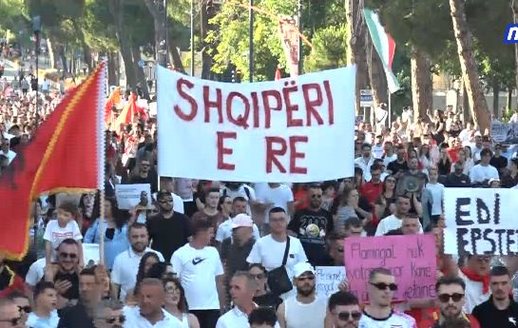
The political system blockade erupted in the square. How the protest is turning into opposition

2026-06-08 12:36:56 / IDE

The political system blockade erupted in the square. How the protest is turning into opposition
Democracy is not simply an electoral procedure where citizens vote once every four years. At its core, it is a system of continuous communication between society and political institutions. Citizens send messages through voting, protest, surveys, public debate and daily reactions. Political parties have the task of reading these messages, interpreting them and turning them into political alternatives.
In this architecture, the opposition has a role as important as the government. If the government administers power, the opposition administers discontent. It should be the antenna that captures the concerns, anger and aspirations of citizens who do not feel represented by the government. Precisely for this reason, in functional democracies, parties that lose elections usually reflect on the message of the electorate and adapt to the new demands of society.
But what happens when the opposition refuses to listen?
Then a representation gap is created. Political energy that finds no channel within parties does not disappear. It accumulates. First as dissatisfaction, then as anger, and finally as political movements outside traditional structures.
In the case of the Democratic Party, it seems that a significant part of the opposition electorate has long sent a clear message, the need to distance itself from the past and build a new political alternative. This message came not only from the opposition's opponents, but from its important electoral vectors, who were seeking renewal, openness and a new political identity.
However, instead of reading this signal and turning it into reflection, the opposition chose to ignore it. The debate on representation was replaced by a debate on loyalty. The demand for change was interpreted as betrayal. And thus, a part of the opposition electorate was left without a political address.
This rejection did not only produce a crisis within the Democratic Party. It affected the very balance of the political system. Because the opposition does not exist only to oppose the government, it exists to channel the dissatisfaction, frustrations and aspirations of citizens who do not feel represented by the government.
When the opposition refuses to represent the various opposition currents and currents, political energy does not disappear. It simply flows outside the traditional structures. Discontent accumulates, anger grows, and citizens begin to seek other forms of representation.
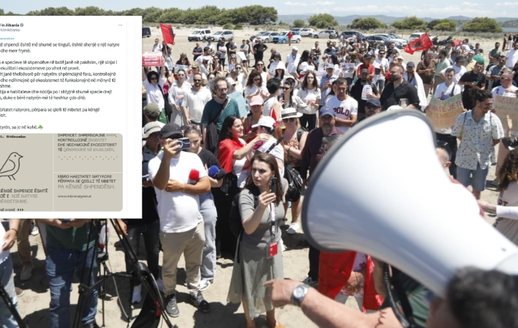
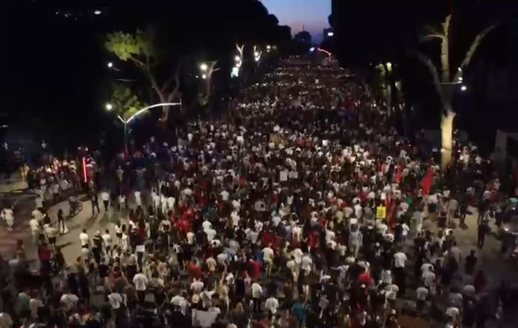
This is why the frustrations that did not find a voice within the opposition spilled out into the open. The protest did not arise simply as opposition to the government. It also arose as a reaction to the lack of an opposition that truly represented the interests, concerns, and aspirations of citizens.
In this sense, the square is not just asking for a change in power. It is asking for a change in representation. It is asking for a true opposition, capable of listening, understanding, and articulating the voice of those who feel excluded from the political system.
Political history shows that when institutions refuse to listen, citizens find other ways to be heard. And when the opposition fails to become the voice of popular discontent, the discontent itself begins to seek a new opposition.
Because in a democracy, the gaps in representation never remain empty for long. Sooner or later, they are filled by new forces, new movements, or by citizens themselves who decide to take over the role that the parties have abandoned.
Happening now...









Protest is not just about "protesting"
Nga Poli Hoxha
ideas



top

Alfa recipes



TRENDING 



services
- POLICE129
- STREET POLICE126
- AMBULANCE112
- FIREFIGHTER128