


FLASH NEWS
A War for Elections: The American Bet on Iran and the Danger of a Lost Peace

2026-02-28 13:42:48 / IDE
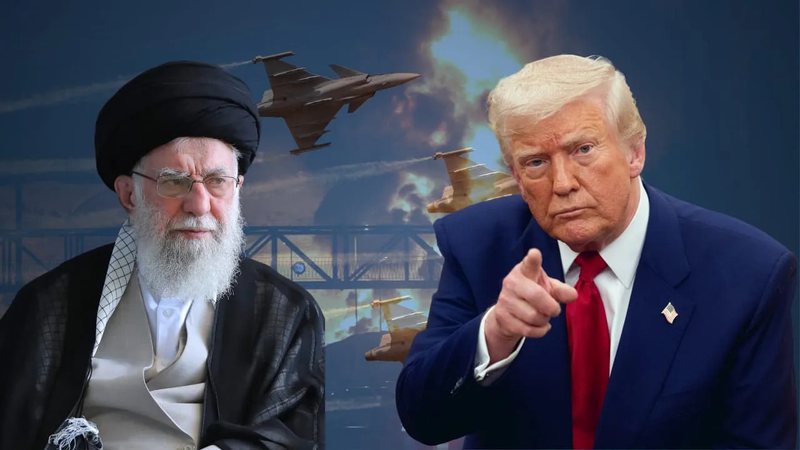
President Trump's decision to go to war with Iran did not come in response to an immediate existential threat. It is not the product of a surprise attack, nor of an inevitable ultimatum. Rather, it is a strategic choice – a war waged because it could be waged, not because it immediately had to be waged.
This is the necessary starting point to understand what is happening.
The US administration and its only open ally in the operation, Israel, have articulated terms like “imminent threat” and “preemptive strike.” However, the public argument itself has been murky. The accusations against Tehran – from support for armed organizations to indirect attacks on US troops in the past – are well-known and in many cases documented. But they constitute a historical dossier, not necessarily an urgent casus belli.
This war looks more like an attempt to reshape the balance of power in the Middle East through regime change in Tehran. And this is where the serious dilemmas begin.
No one can deny the repressive nature of the Iranian regime. Protests in recent years have been brutally suppressed. Activists have been imprisoned, citizens have been killed, civil liberties have been systematically curtailed. Inside Iran, there are millions of people who want the theocracy to end. But the moral desire for change is not the same as its strategic feasibility.
The history of recent decades is rich with warnings .
In Iraq, the overthrow of the regime in 2003 was accomplished militarily with great speed. But the lack of a coherent plan for the succession created a security vacuum, disintegrated institutions, and led to sectarian conflict that destabilized the entire region. In Afghanistan, after two decades of military and political investment, the Taliban returned to power. In Libya, the overthrow of the dictator did not produce a functioning state, but fragmentation and ongoing factional warfare.
These cases are not identical to Iran, but they demonstrate an iron law of interventions: it is relatively easy to destroy; it is extremely difficult to build.
In the Iranian case, the challenges are even greater. The country has about 92 million inhabitants – two and a half times the population of Iraq. There is no organized and armed opposition to immediately take control in the event of a regime collapse. There is no broad international coalition to support the operation and transition. Apart from Israel, the Gulf states that fear Tehran have not openly joined the offensive.
Therefore, assuming that intensive bombing will weaken the power structure enough that the people will bring about change themselves is a very risky bet.
Një skenar optimist ekziston. Një fushatë ajrore e dizajnuar me saktësi kirurgjikale mund të paralizojë Gardën Revolucionare, të godasë zinxhirët komandues dhe të shkaktojë dezertime masive. Një lëvizje opozitare mund të organizohet shpejt, të krijojë struktura tranzicioni dhe të shmangë luftën civile. Fuqitë rajonale mund të përmbahen nga ndërhyrja. Në këtë version, Irani do të hynte në një fazë transformimi të kontrolluar drejt një sistemi më të hapur.
Por probabilitetet janë më kokëforta se shpresat.
Regjimet autoritare zakonisht kanë tolerancë të lartë ndaj dhimbjes. Ato mund ta shfrytëzojnë agresionin e jashtëm për të mobilizuar nacionalizmin dhe për të konsoliduar radhët. Në vend që të shembet, regjimi mund të ashpërsohet, të intensifikojë represionin dhe të mbijetojë. Ose, në rast se bie, vakuumi mund të mbushet nga një juntë ushtarake edhe më e mbyllur, ose nga një konflikt i brendshëm mes fraksioneve.
Një tjetër rrezik i madh është përshkallëzimi rajonal. Irani ka kapacitet të dëmtojë linjat e transportit detar, të godasë përfaqësuesit e interesave perëndimore në rajon dhe të aktivizojë rrjete aleatësh jo-shtetërorë. Në një cikël hakmarrjesh të ndërsjella, konflikti mund të zgjerohet përtej llogaritjeve fillestare.
Dimensioni institucional amerikan shton një shtresë tjetër shqetësimi. Lufta është nisur pa një debat të plotë kombëtar, pa një autorizim të qartë të Kongresit dhe pa ndërtim të një koalicioni të strukturuar ndërkombëtar. Kjo e bën ndërmarrjen jo vetëm të rrezikshme ushtarakisht, por edhe të brishtë politikisht. Nëse operacioni përballet me humbje të konsiderueshme ose me reagim negativ të opinionit publik, presioni për tërheqje të shpejtë mund të krijojë pikërisht skenarin e braktisjes – ku një popull i nxitur për rebelim mbetet pa mbështetje.
Për publikun shqiptar, kjo krizë nuk është thjesht lajm ndërkombëtar i largët. Shqipëria dhe Kosova janë pjesë e arkitekturës euro-atlantike; çdo përshkallëzim i madh në Lindjen e Mesme ndikon në çmimet globale të energjisë, në stabilitetin e tregjeve dhe në prioritetet strategjike të NATO-s. Për më tepër, debati mbi “ndryshimin e regjimeve nga jashtë” prek drejtpërdrejt diskutimet tona mbi sovranitetin, ndërhyrjen dhe rendin ndërkombëtar.
Thelbi i çështjes mbetet ky: regjimi iranian mund të jetë i padrejtë, represiv dhe destabilizues. Por drejtësia morale e objektivit nuk është garanci për zgjedhjen e mençur të mjetit. Luftërat e zgjedhura nuk gjykohen vetëm nga qëllimi, por nga aftësia për të menaxhuar pasojat.
Në fund të fundit, rreziku më i madh në këto ndërmarrje nuk është dështimi spektakolar, por suksesi i papërgatitur. Të rrëzosh një regjim dhe të mos dish çfarë vjen më pas është formula më e sigurt për kaos afatgjatë.
If this operation is a gamble, then it is one of those bets where winning is rare and losing is often much more costly than anticipated. And in international politics, unlike at the gambling table, wrong bets are paid for with destabilization, human lives, and decades of uncertainty.
Happening now...









Germany, the "curse" of Rama and Berisha
Nga Bato Kosova
ideas

Why don't good people stay in Albanian politics?
Nga Irena Beqiraj

Corruption - our way of life
Nga Erl Kodra
top



Alfa recipes



TRENDING 




services
- POLICE129
- STREET POLICE126
- AMBULANCE112
- FIREFIGHTER128