


FLASH NEWS
The 1990 student protest, the lesson that history should not repeat

2026-06-23 13:48:49 / IDE
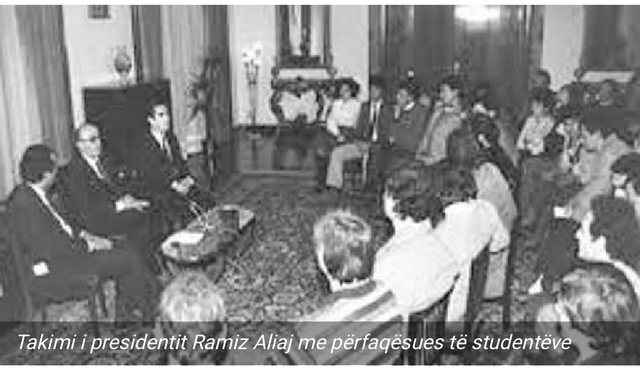
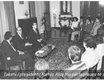
The photo of Ramiz Alia's meeting with the protesting students of December 1990 speaks louder than many political analyses. It was there that the great turning point began that changed the course of that youth movement, which had emerged as a true revolt for freedom, democracy and separation from the communist system.
Faced with the changes that had engulfed Eastern Europe and the inevitable fall of the communist regimes, Ramiz Alia was forced to accept political pluralism. But pluralism was allowed under conditions that guaranteed the survival of the old communist elite.
And therein lies the tragedy!
While the political system formally changed with several parties, economic, administrative power and political control remained in the hands of the structures of the communist nomenclature and its successors.
The students, who had been the heart of the protest, were gradually displaced from the center of decision-making. In their place, figures and structures that had direct or indirect links to the communist system were affirmed.
Albania entered transition without making a separation from the communist past, with the most brutal dictatorship.
One of the most serious consequences of this period was the treatment of the property issue. Law 7501 did not return property to its legitimate owners.
This created long property conflicts, endless judicial processes and injustices that continue today. Meanwhile, property was transformed into a powerful economic and political instrument, strengthening certain interest groups and helping to create a new, economic-political-criminal oligarchy.
Many legal owners spent decades in court over their property, while others left this life without receiving justice for their inherited property.
On the other hand, the political and economic elites continued and continue to consolidate their power and wealth, at the expense of the public interest.
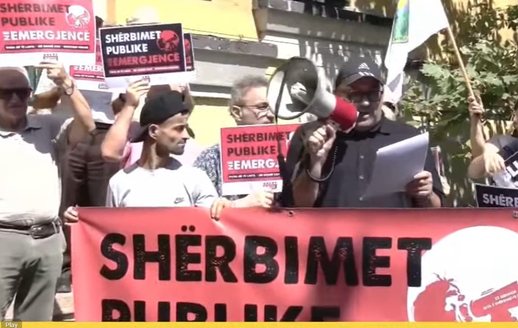
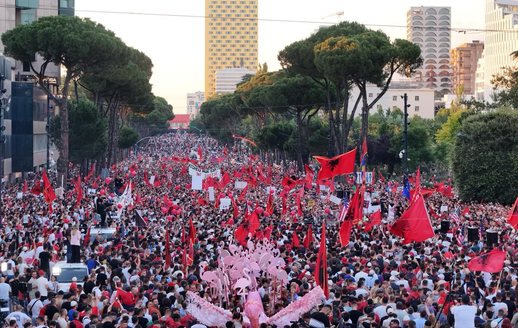
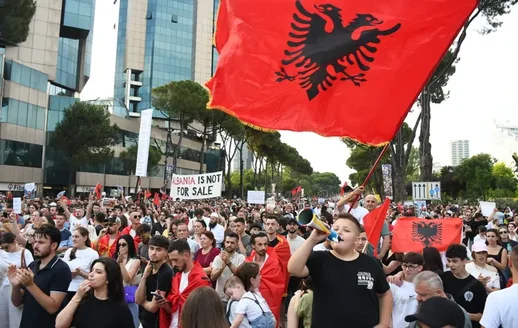
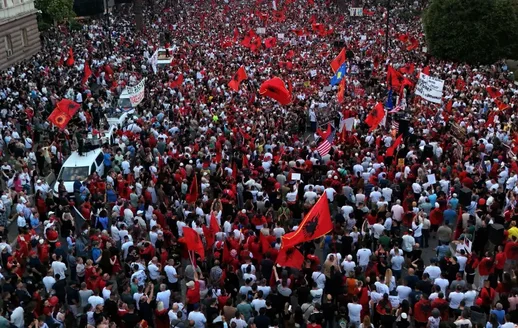
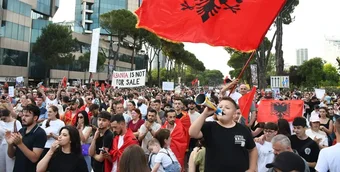
Today, more than three decades after the fall of communism, we have a youth revolt in the square again, a protest that has been missing for 35 years.
It is precisely the young who have paid the highest price of the transition through mass emigration, lack of opportunities, the capture of
institutions and the loss of trust in politics.
Our children are in the streets today.
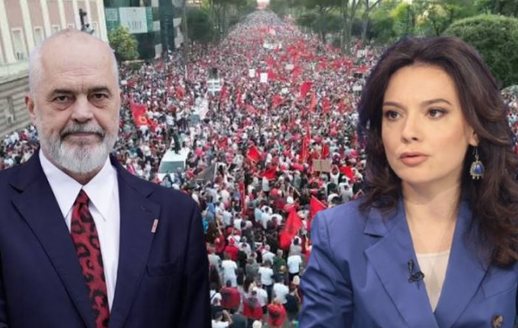
The cry “Rama in prison, Berisha in prison” is not just a slogan.
It represents this generation’s rejection of a political class as responsible for the country’s failures and dire situation.
The message is clear, the youth in the streets no longer demand rotation among the same political actors who appropriated the student protest of 1990, but a change of them and of the country’s governing model.
Opposite this stands a powerful establishment, where politics, economic interests and criminal networks have been intertwined for decades.
Precisely for this reason, the citizen reaction, the protests, the work of the SPAK justice institutions and the support of international partners remain important factors for the dismantling of the 36-year-old establishment, the building of the rule of law and the fight against corruption.
This youth protest has already achieved significant success, it has challenged the moral legitimacy of the two political forces, the Socialist Party and the Democratic Party, which have dominated Albanian public life for more than three decades.
It took them out of the square!
It has shown that energy, idealism and hope are no longer found within traditional political structures, but outside them, in citizens and especially in young people.
Therefore, the student protest of 1990 should serve as a historical lesson. Not as a story to be glorified without reflection, but as a reminder that civic movements can lose their purpose when they are appropriated by political elites.
Today's challenge is that the voice of youth is not alienated again and that history is not repeated.
If this is achieved, then Albania may finally have the opportunity to close the long cycle of transition and give young people a reason to build their future in their own country, in the beautiful Albania of citizens and not of those in power.
23 June 2026
Happening now...



ideas

top


Alfa recipes

TRENDING 




services
- POLICE129
- STREET POLICE126
- AMBULANCE112
- FIREFIGHTER128