


FLASH NEWS
Edi Rama's Streets of Shame!

2026-02-23 19:57:06 / IDE

What is happening with infrastructure today is no longer a technical issue, but a political and moral one. From the “roads abandoned to the streets” that Edi Rama used when he was in opposition to attack the Democratic Party, we have come to a much more serious reality: roads that are expensive to build, last a short time and are repaired endlessly, in short, to the “roads of shame.”
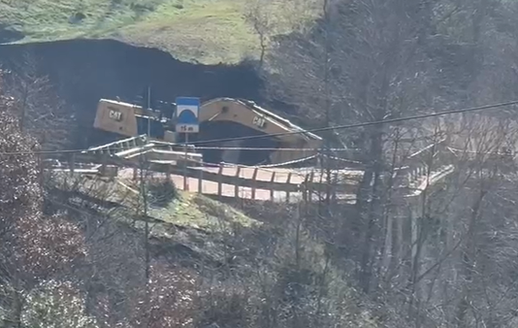
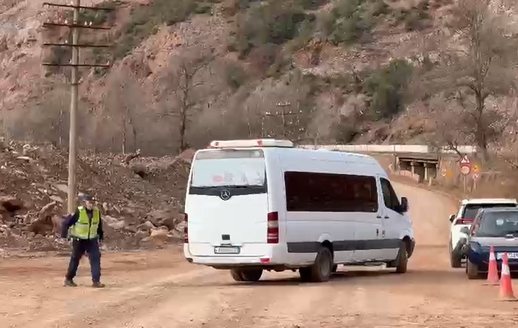
When a road breaks down after six months, when tunnels leak water every time it rains, when segments are blocked due to "geological reasons" that should have been foreseen in the project, the problem is no longer nature, the problem is corruption.
Corruption is not just the envelope under the table. It is: the predetermined tender, the fictitious competition, the most expensive bid that wins, the technical inspection that turns a blind eye, endless additional funds for "additional works", and so many other mechanisms that create this ugly picture.
The blocked Southeast is no accident. It is the result of a culture where projects are done for the bill, not for quality. When geological studies are done formally, when risk norms are ignored to save real costs and increase illegal profits, the result is what we are seeing: roads that crack, asphalt that disappears, and citizens who pay twice, once with taxes, once with time and stress.
When Edi Rama says that the problem is “geological”, it sounds more like an attempt to shift the blame than to admit it. A road is studied before it is built and not the other way around. The terrain does not change overnight, nor overnight, but the standard drops when profit becomes the priority and not safety.
Essentially, what is called “natural causes” is simply a cover for a much more human problem called corruption.
Entering or leaving Tirana has become torture. From Rinas to the city, it takes over 90 minutes under normal conditions. Investments that should have been national pride are today examples of a model where propaganda is stronger than concrete and asphalt.
Corruption in infrastructure is the most dangerous, because it doesn't just steal money, it steals time, development, trust and dignity, which is why these are called the roads of shame. When roads start to deteriorate so quickly, it's not just a technical failure. It's proof that somewhere in the decision-making chain, public interest has been replaced by private interest.
As Honoré de Balzac said:
“Behind every great fortune lies a crime.” When wealth grows in the offices of power while the asphalt cracks on the ground, then crime is no longer a metaphor, it is a pattern.
Miles of paper can be built, investment records can be announced, screens can be filled with graphics and numbers. But if corruption is hidden under that asphalt, it will surface, like cracks, like floods, like blockages.
In the end, asphalt and concrete can cover the soil, but they can never cover the truth about the corruption of this government.
Happening now...








ideas



top



Alfa recipes



TRENDING 




services
- POLICE129
- STREET POLICE126
- AMBULANCE112
- FIREFIGHTER128