


FLASH NEWS
What is Fordow? The underground nuclear facility in Iran that only a US bomb can destroy

2025-06-20 22:38:35 / BOTA
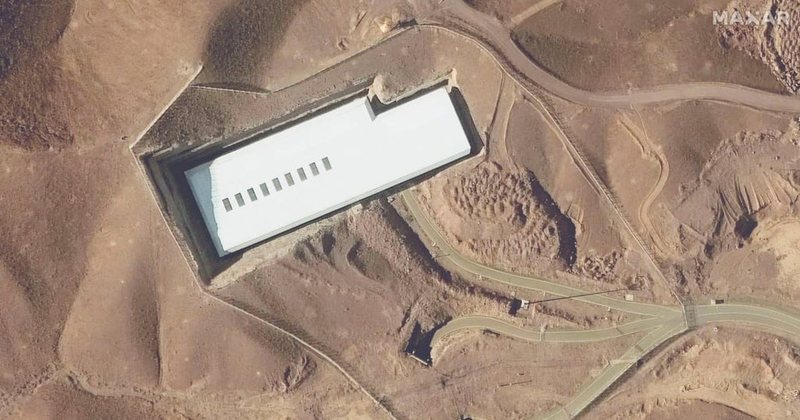
As the conflict between Iran and Israel enters its eighth day, all eyes are on the Islamic Republic's underground uranium enrichment facility at Fordow, home to its most advanced centrifuges, and whether the US will intervene directly to destroy it.
With about 2,000 centrifuges in operation, the enrichment plant produces uranium enriched to 60%, a step away from the 90% enrichment required for weapons production.
What distinguishes this facility, located about 95 km southwest of the capital Tehran, from other facilities damaged by Israeli bombing on June 13 is that it is built into a mountainside and lies at a depth of about 260 to 300 meters, making it immune to air strikes. Several facilities were severely damaged by Israeli bombing on June 12 and the following days, but Fordow remains intact.
Experts estimate that regular airstrikes could damage the surface, rendering it temporarily unusable, but destroying the centrifuge clusters and uranium reserves at the facility would require the direct involvement of the United States, which has the nuclear warhead that can destroy it, the GBU-57 A/B Massive Ordnance Penetrator, a "bunker destroyer" that can penetrate 200 meters of soil or concrete before exploding.
Furthermore, the US has the launch platform capable of using the missile, the B-2 Spirit stealth bomber.
Construction of the Fordow fuel enrichment plant began in the second half of 2007, according to Tehran, and became operational in 2009, the same year that Western intelligence agencies revealed the existence of the plant to the International Atomic Energy Agency (IAEA), leading Iran to publicly admit it.
In 2009, according to media reports, intelligence agencies discovered that Iran was trying to install 3,000 centrifugal separators at the facility.
Two years later, the then-director general of the International Atomic Energy Agency, Yukiya Amano, reported that Iran had “installed centrifugal separators at Fordow with the stated intention” of producing uranium enriched to 20%. The following year, the nuclear watchdog reported that Iran had tripled its monthly production of 20% enriched uranium at Fordow.
UN inspections in 2012 revealed the existence of tunnels with thick walls and blast-resistant doors, with some shelters protected by 90 meters of rock, according to a report in the Washington Post.
Irani ra dakord të pezullojë pasurimin në Fordow dhe ta shndërrojë objektin në një qendër kërkimore pas nënshkrimit të Planit të Përbashkët Gjithëpërfshirës të Veprimit (JCPOA) në vitin 2015, gjatë administratës Obama.
Megjithatë, pas përçarjes së vitit 2018 midis Teheranit dhe Uashingtonit, për shkak të tërheqjes së administratës Trump nga marrëveshja dhe vendosjes së sanksioneve ndaj Teheranit për shkak të programit të tij të raketave balistike, aktivitetet e pasurimit të uraniumit rifilluan në objekt. Teherani pohon se programi është i destinuar për qëllime paqësore.
Gjatë një inspektimi të papritur nga Agjencia Ndërkombëtare e Energjisë Atomike në vitin 2023, inspektorët gjetën grimca uraniumi të pasuruara në 83.7%, që është afër nivelit të nevojshëm për të prodhuar armë. Agjencia mbikëqyrëse bërthamore tha gjithashtu se Irani kishte lidhur dy grupe centrifugash që i lejonin asaj të pastronte uraniumin në 60%.
Një raport i Reuters tha se në tremujorin e fundit, u prodhuan 166.6 kilogramë uranium i pasuruar në 60%, i cili, nëse pasurohet më tej, mund të përdoret për të prodhuar rreth katër armë bërthamore, sipas kritereve të IAEA-s. Megjithatë, drejtori i përgjithshëm i mbikëqyrësit bërthamor të OKB-së, Rafael Grossi, i tha Sky News të enjten se ata nuk mund të konfirmonin që Irani po ndërtonte një armë bërthamore. Po atë ditë, Izraeli goditi reaktorin kërkimor të ujit të rëndë Khondab që ishte në ndërtim e sipër.
“Nuk do të ketë bisedime nën presion,”
Pasi Bordi i Guvernatorëve të Agjencisë Ndërkombëtare të Energjisë Atomike (IAEA) deklaroi se Irani kishte shkelur dispozitat e marrëveshjes së mbrojtjes bërthamore, Teherani tha se do të vazhdonte programin e tij dhe do të ndërtonte një strukturë tjetër me centrifuga më të përparuara. IAEA publikoi gjithashtu një raport ku thuhej se Irani kishte kryer “aktivitete të fshehta bërthamore” në tre vende, në shkelje të dispozitave të JCPOA-s, gjë që mund të çonte në sanksione nga partnerët evropianë të marrëveshjes.
Disa orë pas njoftimit të IAEA-s, Izraeli, i cili është i kujdesshëm ndaj ambicieve bërthamore të Teheranit, nisi sulme “parandaluese” kundër infrastrukturës së tij bërthamore dhe ushtarake javën e kaluar, si pjesë e Operacionit “Rising Lion”, duke synuar objekte dhe duke vrarë figura kyçe në programet e tij ushtarake dhe bërthamore.
Sipas Reuters, u godit edhe Natanz, impianti kryesor i pasurimit të regjimit me mbi 13,500 centrifuga në funksionim. Impianti Pilot i Pasurimit të Karburantit (PFEP) i impiantit strehon 164 centrifuga të përparuara që mund të pasurojnë uranium deri në 60%.
Since then, the two countries have traded missiles and drones. Israel has struck key nuclear facilities in Natanz, Isfahan, Arak and Tehran, as well as Iranian oil and gas facilities, including those in the capital Tehran and South Pars. It has also damaged the Islamic regime’s ground-to-ground launchers and airfields. For its part, Iran has struck the Soroka hospital complex in southern Israel and the Weizmann Institute of Science.
The death toll in Iran has exceeded 220, according to a BBC report, while 24 have been killed in Israel.
Happening now...





America may withdraw from Europe, but not from SPAK
Nga Gentian Gaba
ideas


top
Alfa recipes



TRENDING 




services
- POLICE129
- STREET POLICE126
- AMBULANCE112
- FIREFIGHTER128