


FLASH NEWS
What the hantavirus outbreak means for global health - bota.al

2026-05-10 22:03:35 / AKTUALITET
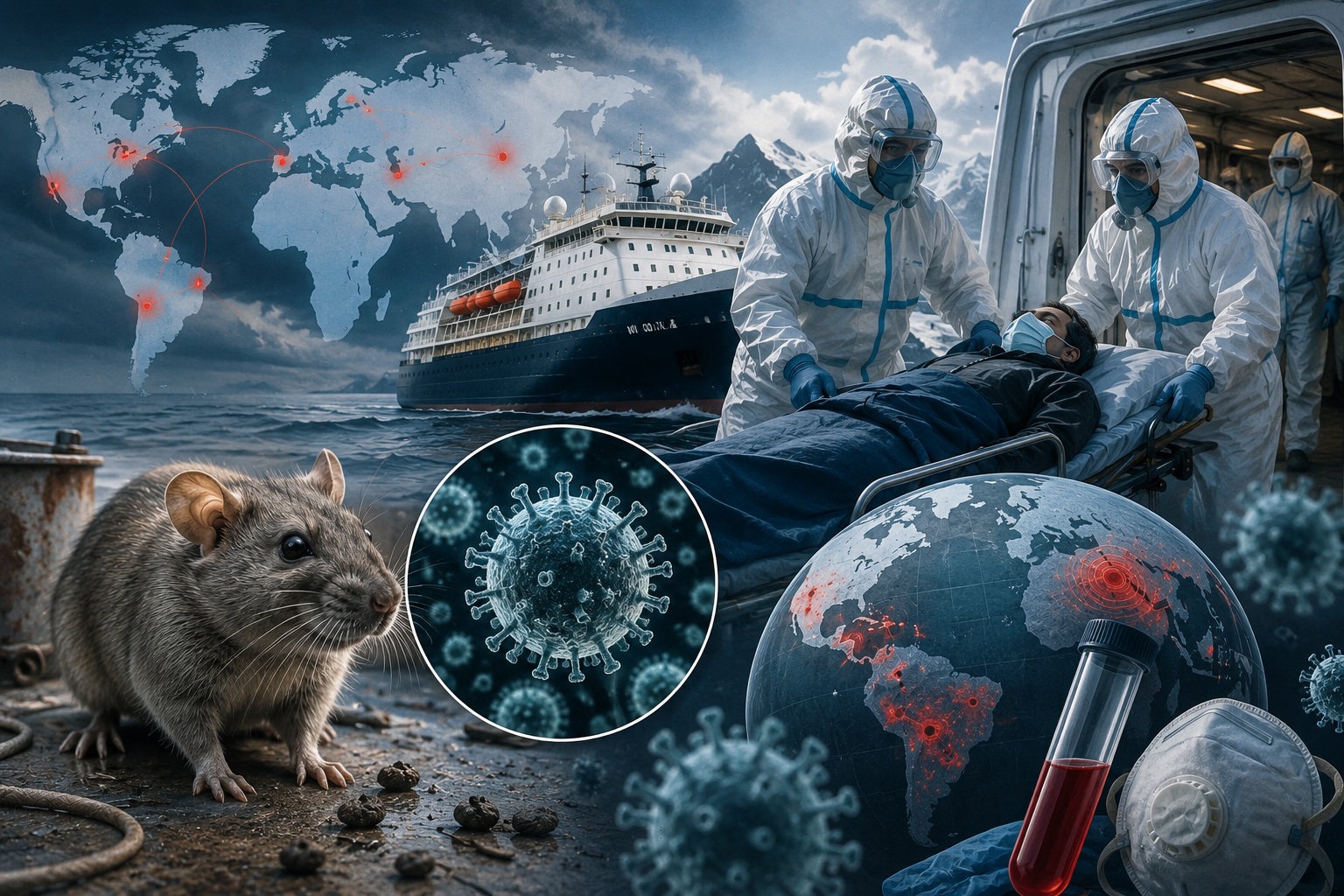
The sight of people wearing protective suits is bringing back not-so-distant memories for Katie Rosseinsky, who takes a closer look at the differences between this disease and our now familiar enemy, Covid-19.
Over the past few days, almost everyone I know has experienced an unpleasant sense of déjà vu. Phrases like “zoonotic virus,” “human-to-human contact,” “contact tracing and identification,” and “self-isolation” are being heard more and more frequently. The WHO is issuing regular statements.
The feeling is strangely similar to 2020.
Only this time, instead of the coronavirus, the headlines are dominated by Hantavirus. The focus is no longer on ski resorts in Italy, but on a Dutch cruise ship, the MV Hondius. Eight cases of the rodent-borne disease have now been linked to the ship, five of which have been confirmed in the laboratory. Three deaths have been recorded so far since the ship left Argentina in early April.
Photos of medical personnel wearing hazmat suits and full protective gear as they evacuate passengers with suspected symptoms, as well as the news that two Britons are self-isolating at home after possible exposure on the ship, are bringing back buried memories from the beginning of the pandemic. So are the endless maps tracking the ship’s movements, or the extremely detailed discussions on social media by “armchair epidemiologists.”
It is understandable that this outbreak is bringing back these unwanted memories, along with a quiet but internal anxiety.
While we may like to believe that the COVID-19 pandemic is now a thing of the past, many of us are still dealing with its psychological consequences. And any mention of a new zoonotic disease, a disease that jumps from animals to humans, inevitably raises fears of another pandemic.
Since Covid, it seems we are all in a constant state of alert for “the next disease.” A similar reaction was seen earlier this year during the meningitis outbreak in Kent, when pharmacies reported shortages of vaccines due to high demand.
But before we rush to buy toilet paper in bulk again, how worried should we really be about hantavirus?
While there are still many questions about the outbreak on the ship, one thing has been made abundantly clear by health authorities: despite the emotional similarities, this is a very different situation than what we saw six years ago with Covid.
The risk to the general public remains very low.
Hantavirusi përfaqëson një grup virusesh që mbarten nga brejtës si minjtë dhe zakonisht transmetohen përmes kontaktit me urinën ose feçet e tyre. Kjo ndodh shpesh kur njerëzit pastrojnë jashtëqitjet e brejtësve dhe grimcat ngrihen në ajër, duke u thithur pa dashje. Virusi mund të transmetohet gjithashtu përmes kafshimeve, plagëve të hapura ose kontaktit me sytë.
Mendohet se çdo vit regjistrohen rreth 150,000 raste në botë, dhe më shumë se gjysma ndodhin zakonisht në Kinë.
Këto viruse ndahen në dy kategori kryesore, të cilat shkaktojnë sëmundje serioze, megjithëse të dyja fillojnë me simptoma të ngjashme me gripin: temperaturë, dhimbje muskujsh, dhimbje koke dhe marramendje.
Hantaviruset e dikurshme: Më të zakonshme në Azi dhe Evropë, këto viruse mund të shkaktojnë ethe hemorragjike me sindromë renale (HFRS). Simptomat zakonisht shfaqen një deri në dy javë pas ekspozimit dhe mund të çojnë në insuficiencë të rëndë renale. Norma e vdekshmërisë varion nga 1 deri në 15 për qind.
Hantaviruset e reja: Më të zakonshme në Amerikë, këto mund të shkaktojnë sindromën pulmonare të hantavirusit (HPS).
Periudha e inkubacionit është më e gjatë, nga një deri në tetë javë, dhe sëmundja mund të shkaktojë grumbullim lëngjesh në mushkëri dhe në kraharor, duke sjellë probleme serioze të zemrës dhe frymëmarrjes. Në këtë formë, shkalla e vdekshmërisë mund të arrijë afro 40 për qind.
Aktualisht nuk ekzistojnë vaksina apo trajtime specifike për asnjë nga format e infeksionit. Pacientët me raste të rënda mund të kenë nevojë për kujdes intensiv, mbështetje respiratore ose dializë.
Në shumicën e rasteve, hantavirusi konsiderohet një “infeksion pa dalje”, që do të thotë se një person i infektuar zakonisht nuk ia transmeton virusin të tjerëve.
Ekziston vetëm një variant i njohur që mund të transmetohet nga njeriu te njeriu: virusi Andes, i gjetur kryesisht në Argjentinë dhe Kili.
Në vitin 1996, një shpërthim i këtij varianti nisi në qytetin El Bolsón në Argjentinë dhe më pas u përhap në qytete të tjera, duke përfshirë 16 raste të lidhura epidemiologjikisht.
Një tjetër shpërthim më i madh ndodhi në vitin 2018 në fshatin Epuyén, kur një burrë i infektuar mori pjesë në një festë ditëlindjeje menjëherë pasi ishte ekspozuar ndaj virusit. Më pas, disa nga personat që kishin qëndruar pranë tij e përhapën më tej sëmundjen në evente të tjera të mbushura me njerëz. Bilanci përfundimtar ishte 34 të infektuar dhe 11 viktima.
Pacientët në MV Hondius kanë rezultuar pozitivë pikërisht për variantin Andes, ndërsa ekzistojnë spekulime të pakonfirmuara se shpërthimi mund të ketë nisur pas një ekspedite vrojtimi shpendësh pranë një zone mbetjesh në Ushuaia, në skajin jugor të Argjentinës.
Megjithatë, ekspertët theksojnë se edhe ky variant transmetohet vetëm përmes kontaktit shumë të afërt. “Nuk po flasim për kontakt rastësor nga larg,” ka deklaruar së fundmi Dr. Maria Van Kerkhove nga World Health Organization.
While Professor Robin May from the UK Health Security Agency has stressed that "a quick pass by someone at the airport does not put you at risk." For the general public, the risk remains practically negligible.
In fact, most scientists agree that hantavirus is not transmitted efficiently enough from person to person to become a pandemic.
Even in such a closed environment as a cruise ship, where passengers constantly share spaces and contacts, the number of infected remains limited.
Viruses can mutate, but experts believe that hantavirus would have to undergo major evolutionary changes to become a real global threat.
So, if words like "tracing," "isolation," or "airborne transmission" have been causing you anxiety since the pandemic, experts are almost unanimous: A "Covid 2.0" scenario with hantavirus is, at least for now, highly unlikely. / bota.al
Happening now...
















Sali Llapa
Nga Bato Kosova
ideas

Republic of Thieves!
Nga Gjergji Nika

Albania, this ship stuck in the business of theft!
Nga Edison Ypi

top



Alfa recipes








services
- POLICE129
- STREET POLICE126
- AMBULANCE112
- FIREFIGHTER128