


FLASH NEWS
The government was warned about the risk of energy collapse in 2024. Reports reveal the chain of errors of the OST

2025-12-04 20:35:15 / AKTUALITET
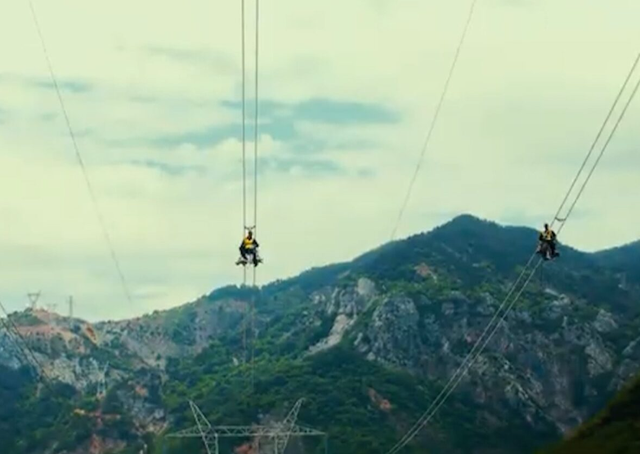
On May 12, 2022, a letter from the director of the Rruga Enterprise, Alion Hysko, would arrive at the Prime Minister's office at the address of the Secretary General, Engjëll Agaçi. The letter indicated that construction work on the Xhafzotaj reservoir dam in Durrës had been suspended, which was related to the projects of the Transmission System Operator OST. Since the competencies for these investments are related to permits from the Territorial Development Agency, the National Territorial Council also comes into play, passing the competence to the Secretary General at the Prime Minister.
The letter itself presents the issue of how the Albanian government and Deputy Prime Minister and Minister of Infrastructure and Energy Belinda Balluku acted in possible violations of the law with investments in the Transmission System Operator. The latter has been suspended from duty by the Special Court Against Organized Crime and Corruption for accusations by SPAK for abuse of office and group bid rigging.
The letter about the Xhafzotaj dam is related to decision no. 17, dated 17.03.2021 of the Territorial Development Agency, but presents similar issues as decision no. 16, dated 17.03.2021 of the ARD, as the latter has been reported to the Tirana Prosecutor's Office.
Both problematic decisions are part of the factors that have caused the breakdowns with the collapse of the transmission system, the uncertainties in the energy sector, where from a local problem of lack of electricity for Albania it was transformed into a regional problem. This fact is evidenced by the reports of the Transmission System Operator and the Pan-European Network of Transmission Operators for Electricity (ENTSO-E).
Specifically, on June 21, 2024, at 12:09, the Southeastern European electricity system would experience a severe domino effect event, which ended with a voltage collapse and large load losses. According to ENTSO-E, this event was classified as a level 3 incident, with significant consequences for Montenegro, Bosnia and Herzegovina, Croatia and Albania.
The genesis of the incident was two outages of 400 kV lines due to contact with vegetation. At 12.09, the Montenegro Podgorica2-Ribarevine line was outage and at 12:21, the Albanian Zemblak-Kardia line, which connects our country with Greece. This serious incident threw the system into a series of protective trips and caused a domino effect on other lines and as a result, the deterioration of voltage-frequency parameters up to regional collapse according to ENTSO-E.
Por përtej shkakut të parë që është kontakti me bimësinë, analiza e zgjeruar tregon një listë të gjatë faktorësh që ekspozuan cënueshmërinë e rajonit dhe lehtësinë më të cilën u rrëzua nga një seri ngjarjesh që ndodhën njëkohësisht. Raporti i ENTSO-E nxori në pah mungesën e kapacitetit për të siguruar mbështetje reagimi voltazhi, mungesën e detektimit të shkeljes së kushteve N-1 pas rënies së linjës së parë dhe projektime të ndryshuara për arsye pune dhe mirëmbajtjeje që ulën rezerven e sistemit.
Në këtë rast, roli i Shqipërisë dhe i Operatorit të Sistemit të Transmetimit (OST) është kompleks dhe i përbërë nga dy elementë, faktorët teknikë operacionalë që ndikuan drejtpërdrejt në dinamikën e incidentit dhe mangësitë institucionale që zbuluan raportet lokale (raporti i OST-së dhe auditimi i Kontrollit të Lartë të Shtetit). Nga ana teknike, në ditën e incidentit kishte disa elemente të rëndësishme që e dobësuan sistemin shqiptar, disa lidhje kryesore ishin të stakuara për arsye pune dhe riparimesh (për shembull linja L400 Tirana2-Koman dhe disa segmente L220 për shkak të punimeve pranë autostradës Thumanë-Kashar), çka uli ndjeshëm rezervën e rrjetit për të përballuar problemin pavarësisht mangësive.
Vetë Operatori i Sistemit të Transmetimi raporton se pas stakimit të linjës Zemblak-Kardia pati ulje të theksuar tensionesh edhe në linjat Tirana2-Podgorica dhe Koplik-Tirana2 dhe brenda pak minutash ndodhi de-energjizimi i plotë për një pjesë të sistemit. Këto janë të dhëna që vijnë nga raporti i OST-së, që qëndrojnë në një linjë me raportin e ENTSO-E.
Raportet zbulojnë problemet afatgjata të institucioneve shqiptare që ndikuan në gatishmërinë e OST-së për projektin madhor të linjave dhe nënstacioneve (p.sh. projekti Tiranë-Rrashbull dhe projektet 400 kV) pasi janë vonuar, kanë kosto shtesë dhe në rastin e Rrashbull, OST-ja ka pasur mangësi në kolaudime, staf kolaudimi pa licenca dhe mungesë përfundimesh. Kjo mungesë korrelacioni midis planifikimit ditor dhe situatës operacionale, përforcoi shpejtësinë me të cilën problemi lokal shkurtim nga vegjetacioni u transformua në një ngjarje rajonale.
Sipas inxhinierit elektrik Azmer Duleviç, kur vjen puna për të marrë pagesat nga qytetari që mezi mbyll muajin, institucionet publike shkojnë edhe me polici, për të ndërprerë energjinë elektrike.
“Kur dëmtohet qytetari dhe institucionet duhet t’i japin llogari dhe ta dëmshpërblejnë, këtu pastaj fillojnë burokracitë që nuk mbarojnë kurrë dhe qytetarët, le të themi, mbeten me 0 lekë mbrapsht”, tha për “Vetting inxh. Duleviç.
Duleviç shton më tej se një ndër arsyet për problemet me transmetimin lidhet edhe me faktin se kemi 11 mijë transformatorë prej 38 vitesh pa u zëvendësuar me transformatorë të rinj.
The OST report describes that the “transient” outage of the Zemblak-Kardia line occurred after the shortening of the conductor distance with vegetation in the Albanian territory. At the same time, ENTSO-E highlights that the first outage (in Montenegro) and the second one (Zemblak-Kardia) were caused by vegetation, so there was a regional unifying element of vegetation management near the lines that was not properly addressed.
This shows that even if the origin of the first strike was not within Albanian territory, the performance of the Albanian grid such as the lack of voltage support elements and open works made Albania more sensitive to the wave of events and resulted in a complete loss (blackout) of part of the Albanian system for 20-30 minutes. / Vetting Show
Happening now...





ideas



top






TRENDING 




services
- POLICE129
- STREET POLICE126
- AMBULANCE112
- FIREFIGHTER128