


FLASH NEWS
Analysis/ Is Keir Starmer's time over?

2026-05-10 14:49:16 / BOTA
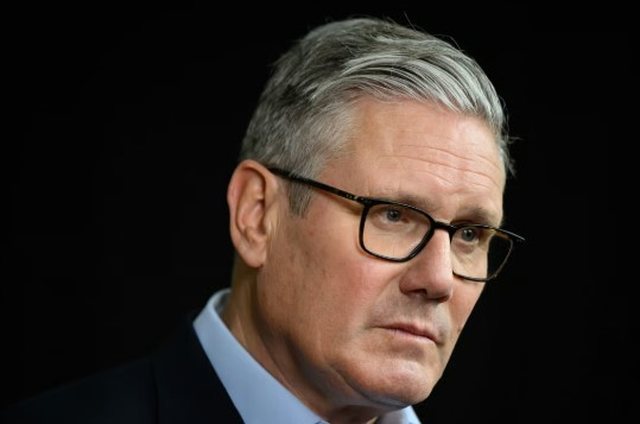
British Prime Minister Keir Starmer has won what looks less like a suspension than a postponement of the inevitable.
After Thursday’s local elections, the position of his Labour Party is dismal by almost any historical standard. It lost nearly 1,500 council seats in England, failed to unseat the Scottish National Party in Scotland and, most symbolically of all, handed Wales to Plaid Cymru for the first time in more than a century.
Meanwhile, far-right politician Nigel Farage's Reform UK party continued its advance through former Labour Party heartlands, while the Greens strengthened their grip on young progressive voters.
Yet, despite all the panic in Westminster, it seems unlikely that there will be any immediate move to sack the prime minister. A handful of MPs have publicly questioned his leadership, but cabinet ministers and parliamentary organizers have not yet crossed the threshold from desperation to open revolt.
Starmer will survive for now because the party, particularly its influential soft-left faction, appears to be waiting for the mayor of Greater Manchester, Andy Burnham. The mayor’s allies expect him to return to Westminster within months through a by-election triggered by the resignation of a sympathetic Labour MP – a prospect that is already shaping calculations within the party.
Geopolitics is also buying Starmer time. Many senior Labour figures take the view that voters would not forgive the party for ousting a prime minister during a period of war and economic uncertainty. They say Starmer must bear the political brunt of the future cost-of-living pressures caused by the war in Iran.
But this will only delay his fate.
Pressure is mounting within the government for Starmer to set a timetable for departure and oversee an orderly transition. The prime minister is set to resist these demands, warning that announcing an exit date would immediately make him a weak goose, unsettling financial markets already nervous about the state of the UK's public finances and the weak growth outlook.
Some critics hope that the Labour Party’s annual conference in September will be the decisive moment of departure. Others think Starmer could go further, unless another scandal – perhaps one related to the appointment of Peter Mandelson as the UK’s ambassador to Washington – tips the balance.
The prime minister’s response will undoubtedly be to attempt a political reset. In his upcoming speech on Monday, he is likely to promise to go “further and faster” on reform and signal a shift in political strategy: Rather than directly competing with Reform in the North and the Midlands, the party seems increasingly willing to focus on winning back progressive voters who are drifting towards the Greens.
Another debate has begun within the Labour Party about whether global instability, the war in Iran and the unpredictability of US President Donald Trump might justify abandoning some of the party's manifesto restrictions for 2024. Proposals once considered politically impossible, such as raising income tax to fund higher defence spending or joining the EU's Common Market and Customs Union, are now being discussed.
However, many Labour MPs doubt whether Starmer has the conviction or political courage to undertake such a turnaround. Their suspicion is that he will continue to postpone the most difficult decisions until the next election, perhaps even reserving an argument for rejoining the Common Market, the Customs Union or the EU itself for the 2029 manifesto, in order to avoid any accusations of broken promises.
But it is precisely this caution, which the prime minister has demonstrated time and again, that is likely to prove fatal./ Politico
Happening now...




Sali Llapa
Nga Bato Kosova
ideas

Republic of Thieves!
Nga Gjergji Nika

Albania, this ship stuck in the business of theft!
Nga Edison Ypi

top



Alfa recipes








services
- POLICE129
- STREET POLICE126
- AMBULANCE112
- FIREFIGHTER128