


FLASH NEWS
REL Analysis: Serbian language divides Montenegro!

2026-02-06 17:31:38 / BOTA
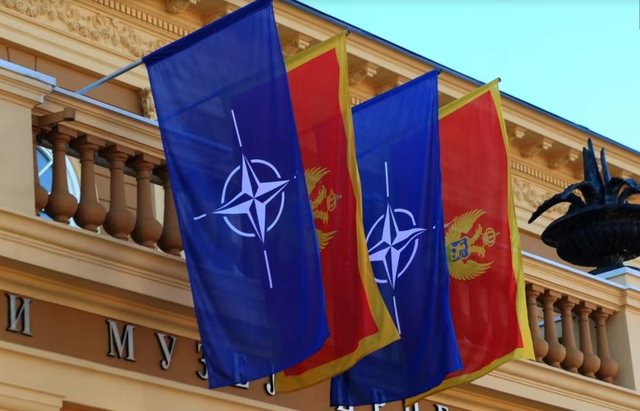
Identity issues in Montenegro were reopened.
The debate over language, statehood and flag was fueled by Milan Knežević's pro-Serbian Democratic People's Party (DNP), at a time when Montenegro is making progress in the European integration process.
It was precisely because of these issues that the DNP left the government, although its survival was not put at risk. The government of Prime Minister Milojko Spajic continues to have a parliamentary majority even without the DNP.
Nikollette Djukanovic, a lecturer at Donja Gorica University in Podgorica, told Radio Free Europe that fostering political instability and problematizing identity issues aim to complicate the European integration process.
"I think this is more about influence from Belgrade than a real need to bring these issues to the forefront," she says.
The DNP, close to official Belgrade, left the Government on January 30, after it did not declare itself on the demands of this party regarding identity issues.
The DNP also left the local government in Podgorica.
It calls for constitutional changes to make Serbian an official language, as well as the adoption of the Law on Citizenship, which would allow dual citizenship without the right to vote for people living in Serbia but originally from Montenegro.
The party also demands a change in the rules for state symbols, so that the Serbian tricolor flag is declared a national flag and used alongside the state flag of Montenegro.
The Serbian tricolor was designated as the flag in the 1905 Constitution of the Principality of Montenegro.
What did the census results show?
Following the publication of the results of the October 2024 census, pro-Serbian parties in Montenegro renewed their demand for the Serbian language to become an official language in the country.
According to the Constitution of Montenegro, the Montenegrin language is designated as the official language, while the Serbian language is in official use along with Bosnian, Croatian, and Albanian.
The census results showed that Serbian is the mother tongue of 43 percent of the population, while Montenegrin is the mother tongue of just over 34 percent.
According to the census, 41.1 percent of citizens declared themselves as Montenegrins, while 32.9 percent as Serbs.
The census was preceded by a campaign by pro-Serbian and pro-Russian forces and media, which called on citizens to declare themselves as Serbs.
After the results were published, pro-Serbian parties in Montenegro demanded that the Serbian language be declared an official language.
But, later, an agreement was reached within the governing coalition that identity issues would not be raised, so as not to hinder the final phase of European integration.
Koalicioni qeverisës në Mal të Zi, aktualisht, përbëhet nga Lëvizja Evropa Tani, Demokratët e Malit të Zi, Partia Boshnjake, Demokracia e Re Serbe, Partia Popullore Socialiste, Alternativa Shqiptare dhe Forumi Shqiptar.
Pse u thirr në bisedë ambasadori i Serbisë?
Në të njëjtën ditë kur DNP-ja u largua nga Qeveria, Podgorica zyrtare thirri në bisedë informative ambasadorin e Serbisë, Nebojsha Rodiç, për shkak të një postimi lidhur me gjuhën serbe.
Në llogarinë “Serbia in English”, të cilën e menaxhon Zyra për Diplomaci Publike dhe Kulturore e Qeverisë së Serbisë, u tha se Mali i Zi “nuk e njeh gjuhën serbe”, të cilën e flasin 43 për qind e qytetarëve dhe është “gjuhë e shumicës sipas regjistrimit të fundit”.
Ministria e Punëve të Jashtme e Malit të Zi e cilësoi këtë postim si një koment të papërshtatshëm për statusin e gjuhës serbe në vend.
Në reagim, Ministria e Punëve të Jashtme e Serbisë tha se gjithçka ishte “keqinterpretuar”.
Sipas saj, postimi ishte bërë në një llogari joformale të një zyre qeveritare dhe “nuk kishte të bënte me rendin kushtetues apo juridik të Malit të Zi, por, me një dozë humori, synonte të theksonte faktin e njohur se gjuha serbe është pjesë e identitetit të një numri të konsiderueshëm qytetarësh në Mal të Zi”.
Ministria serbe vlerësoi se është “e habitshme” që një postim në rrjetet sociale të trajtohet si çështje ndërshtetërore.
Në krye të Zyrës për Diplomaci Publike dhe Kulturore të Qeverisë së Serbisë është Arno Gujon, zyrtar i Partisë Përparimtare Serbe, i cili, më herët, ka pasur lidhje me ekstremistët e djathtë në Francë.
Hapja e “temave të mbyllura”
Profesori në pension i Universitetit të Beogradit dhe ish-politikani, Zharko Koraç, thotë se Knezheviç, duke shfrytëzuar mbështetjen e plotë të Beogradit, përpiqet të arrijë një rezultat më të rëndësishëm politik në Mal të Zi.
“Tani është mjaft e qartë se Beogradi është shumë nervoz, sepse Mali i Zi është duke ecur shumë më shpejt drejt integrimeve evropiane, ndërsa Serbia e ka ndalur këtë rrugë mbi tre vjet më parë”, thotë Koraq për Radion Evropa e Lirë.
Mali i Zi konsiderohet lider në mesin e vendeve kandidate për anëtarësim në Bashkimin Evropian, ndërsa Serbia nuk ka hapur asnjë kapitull negociatash që nga dhjetori i vitit 2021.
Duke folur për mediat proqeveritare në Beograd, Knezheviç mohoi të ketë kërkuar këshilla nga presidenti i Serbisë, Aleksandar Vuçiç, ose të ketë marrë udhëzime prej tij.
Ai deklaroi se serbët në Mal të Zi përballen me sfida për të realizuar të drejtat e tyre dhe se është e nevojshme një luftë institucionale për të arritur barazinë e plotë.
Sipas mediave malazeze, kryeministri Spajiç deklaroi më 29 janar se vendi për nismën dhe shqyrtimin e çështjes së gjuhës serbe, është Kuvendi i Malit të Zi.
Më 2 shkurt, DNP-ja dorëzoi në Kuvendin e Malit të Zi ndryshime të Ligjit për Simbolet Shtetërore dhe Ditën e Shtetit, duke propozuar përdorimin dhe ngritjen e flamurit historik popullor.
Ajo dorëzoi edhe amendamente për Ligjin e Shtetësisë.
Knežević announced a conversation with the leader of the New Serbian Democracy (NSD), Andrija Mandić, about the further actions of the coalition "For the Future of Montenegro".
Before the conversation, Knežević said it is "a bit strange that one part of the coalition is in power, while the other is in opposition."
This coalition is made up of the DNP and the NSD.
"At this moment, the Speaker of the Parliament, Mandic, has a much greater influence as a representative of one of the Serbian parties than Knezevic," Korac estimates.
What will be the effect of the DNP step?
Nikolleta Djukanovic says that the coalition parties do not have a common position on identity issues – meaning they have different interests or at least different paths to achieve what they want.
"If there were better coordination between the DNP, Mandic's party and the other parties remaining in government, it would be an alarm not only for the new parliamentary elections, but also for the political situation in general," she says.
But, since this is not the case, "a solution can easily be found to preserve this government," according to her.
General elections in Montenegro are expected to be held in 2027.
Happening now...






Germany, the "curse" of Rama and Berisha
Nga Bato Kosova
ideas



top
Alfa recipes



TRENDING 




services
- POLICE129
- STREET POLICE126
- AMBULANCE112
- FIREFIGHTER128