


FLASH NEWS
From Australia to Europe, countries begin restricting social media for children

2026-06-08 23:44:44 / BOTA
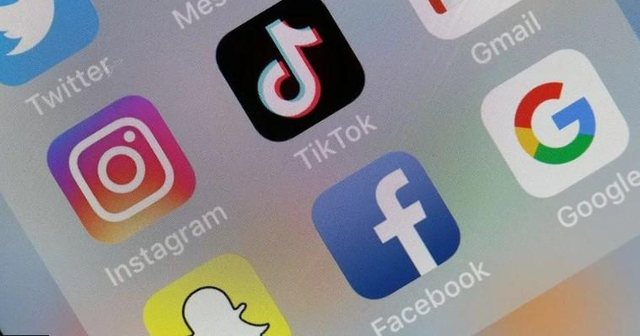
Australia in December became the first country in the world to ban social media for children under 16, blocking them from platforms including TikTok, Alphabet's YouTube and Meta, Instagram and Facebook.
Below is a summary of what countries and companies are doing to regulate access to social media, amid growing concerns over the impact of social media on children's health and safety.
A landmark law forced major social media platforms to block minors under 16 from December 10, 2025, one of the world's toughest regulations targeting major technology platforms.
Companies that fail to comply could face fines of up to $34.9 million.
British Prime Minister Keir Starmer will announce a ban on "harmful" online platforms for children under 16, while maintaining access to some safer forms of social media, the Times newspaper reported on June 8.
Starmer is said to have decided to continue with the restrictions after speaking to grieving parents and reviewing evidence from Australia.
China's cyberspace regulator has put in place a so-called "modal mode" program that requires device-level restrictions and app-specific rules to limit screen time based on age.
Denmark said in November it would ban social media for children under 15, while parents could offer access to certain platforms to children up to the age of 13.
France's National Assembly passed legislation in January to ban children under 15 from social media, amid growing concerns about online bullying and mental health risks. The bill must pass the Senate before a final vote in the lower house.
Minors aged 13 to 16 are only allowed to use social media if their parents give consent. Child protection advocates say the controls are inadequate.
Greece is "very close" to announcing a social media ban for children under 15, a senior government source told Reuters on February 3.
British technology company Home Harvest says their 'Smart Farms' unit allows you to grow your own food at home in just eight days.
India's top economic adviser called for age restrictions on social media platforms in January, describing them as "predatory" in the way they keep users engaged online, two days after the resort state of Goa said it was considering restrictions similar to those in Australia.
Children under 14 need parental consent to register for social media accounts, while above that age no consent is required.
Malajzia ka filluar t’u ndalojë personave nën moshën 16 vjeç të regjistrojnë llogari në platformat e mediave sociale, tha rregullatori i komunikimeve më 1 qershor.
Qeveria norvegjeze në vitin 2024 propozoi rritjen e moshës në të cilën fëmijët mund të japin pëlqimin për kushtet e kërkuara për të përdorur mediat sociale në 15 vjeç nga 13, megjithëse prindërit do të lejoheshin ende të nënshkruanin në emër të tyre nëse ata janë nën kufirin e moshës.
Qeveria ka filluar gjithashtu punën për legjislacionin për të vendosur një kufi minimal moshe absolute prej 15 vjeç për përdorimin e mediave sociale.
Partia qeverisëse e Polonisë po përgatit legjislacion të ri për të ndaluar mediat sociale për fëmijët nën 15 vjeç dhe për t’i mbajtur platformat përgjegjëse për verifikimin e moshës, tha ajo më 27 shkurt.
Sllovenia po harton një ligj që do t’u ndalojë fëmijëve nën 15 vjeç qasjen në mediat sociale, tha zëvendëskryeministri Matej Arcon më 6 shkurt.
Spanja do të ecë përpara me rregulla të reja për t’i bërë rrjetet sociale dhe inteligjencën artificiale më të sigurta pavarësisht lobimit intensiv nga industria e teknologjisë, tha Ministri i Transformimit Dixhital, Oscar Lopez, në maj të këtij viti.
Kryeministri Pedro Sanchez kishte thënë në shkurt se Spanja do të ndalonte aksesin në mediat sociale për të miturit nën 16 vjeç, me platformat që do të detyroheshin të zbatonin sisteme të verifikimit të moshës.
Suedia duhet të vendosë një moshë minimale prej 15 vjeç për përdorimin e mediave sociale, rekomandoi një komision i emëruar nga qeveria më 2 qershor.
Një ndalim mund të formulohet në një mënyrë që platformat të jenë përgjegjëse për verifikimin e moshës, tha hetuesja Lisa Englund Krafft në një konferencë shtypi me Ministrin e Çështjeve Sociale dhe Shëndetit Publik Jakob Forssmed.
Legjislacioni amerikan që synonte t’i detyronte kompanitë e mediave sociale të bënin më shumë për të mbrojtur fëmijët dhe adoleshentët kapërceu një pengesë të rëndësishme politike pasi senatori republikan Ted Cruz tha më 12 maj se do ta mbështeste projektligjin.
Cruz tha në një aktivitet në Uashington se do të mbështeste Aktin për Sigurinë Online të Fëmijëve, i cili do t’u kërkonte kompanive të mediave sociale të “ushtronin kujdes të arsyeshëm” në hartimin e veçorive që kontribuojnë në dëmtimin e të miturve, sipas projektligjit.
Legjislacioni është i ndarë nga Akti i Mbrojtjes së Privatësisë së Fëmijëve në Internet, i cili është në fuqi prej kohësh, i cili i ndalon kompanitë të mbledhin të dhëna personale nga fëmijët nën 13 vjeç pa pëlqimin e prindërve. Disa shtete kanë miratuar ligje që kërkojnë pëlqimin e prindërve që të miturit të kenë akses në mediat sociale, por ato janë përballur me sfida gjyqësore për shkak të lirisë së fjalës.
Më 12 maj, Presidentja e Komisionit Evropian, Ursula von der Leyen, tha se Bashkimi Evropian do të kërkonte mbrojtje më të forta për fëmijët nga profilet e dëmshme në mediat sociale.
Von der Leyen said the Commission would target “addictive and harmful design practices” in its Digital Justice Act, a law planned to be proposed later this year, while a panel of experts prepares advice on how to proceed.
The European Parliament in November agreed on a resolution calling for an EU-wide ban on children under 16 accessing online platforms, video-sharing sites and artificial intelligence companions without parental consent, and a complete ban for those under 13.
Social media platforms including TikTok, Facebook and Snapchat say people must be at least 13 years old to register.
Child protection advocates say controls are inadequate and official data in some European countries shows that a large number of children under 13 have social media accounts./ Reuters
Happening now...






Protest is not just about "protesting"
Nga Poli Hoxha
ideas



top

Alfa recipes



TRENDING 



services
- POLICE129
- STREET POLICE126
- AMBULANCE112
- FIREFIGHTER128