


FLASH NEWS
Islamic Republic 3.0/ Who currently holds power in Iran?

2026-05-16 21:15:35 / BOTA
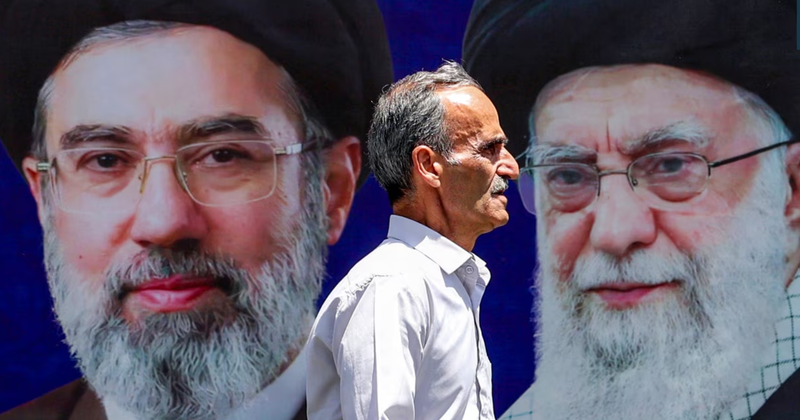
For decades, power in Iran has been centralized in the hands of a single man: the supreme leader, Ayatollah Ali Khamenei.
But since his assassination at the start of the US-Israeli war with Iran on February 28, the decision-making process in Tehran has become increasingly decentralized, experts say.
Mojtaba Khamenei has not been seen in public since succeeding his father in early March.
In his absence, a group of senior Iranian officials have effectively taken over the running of the country.
The Islamic Revolutionary Guard Corps (IRGC) - a dominant political actor - has now become the decisive force in Iran, experts say.
Reformists and moderates have been pushed, they say, to the fringes of politics, leading to a harsher and more ideologically rigid system.
Important power centers and figures have emerged in what some observers call "Islamic Republic 3.0."
Although many of these figures are of the same mind on key policies, some cracks have begun to appear among them.
Mojtaba Khamenei - the new supreme leader
As supreme leader, the 56-year-old has the final say on all state matters.
But his authority has been weakened from the beginning.
Khamenei has been a controversial choice for the post of supreme leader.
The cleric has never held public office before, so some have viewed his appointment as a move toward "dynastic succession," which would call into question the very anti-monarchist roots of the 1979 Islamic Revolution.
Seriously injured in the airstrike that killed his father, Khamenei has been absent from the public eye since his appointment on March 8.
He suffered wounds to his head, lower back and leg, but is now “in good health,” Mazahar Hosseini, chief of protocol at the Supreme Leader’s Office, said on May 8.
US intelligence services have said they believe Khamenei plays an important role in war strategy and in managing peace talks with the United States.
But, in a system where the supreme leader is always present - through audio messages, video appearances and public appearances to display his authority - his absence is noticeable.
"Iran has entered a period of transition following the death of Ali Khamenei and the end of his 36 years of leadership," Washington-based Iranian political analyst Ali Afshari told Radio Free Europe's Radio Farda.
"It is a challenging period, in which the alignment of forces after the war will be crucial," he adds.
Hossein Taeb - backstage operator
Si klerik i linjës së ashpër, Hossein Taeb ka drejtuar degën e inteligjencës së Gardës Revolucionare Islamike (IRGC) për 13 vjet, deri në vitin 2022, kur është shkarkuar në kuadër të një riorganizimi të madh të sigurisë.
Taeb, i cili është në listën e zezë të Shteteve të Bashkuara dhe Bashkimit Evropian për rolin e tij të dyshuar në represionin shtetëror, ka punuar në Zyrën e Udhëheqësit Suprem përpara se të emërohej shef i inteligjencës së IRGC-së në vitin 2009.
Një besnik i hershëm i Khameneit të ri, Taeb konsiderohet si një figurë e rëndësishme në prapaskenë.
Ekspertët thonë se ai mund të luajë një rol të rëndësishëm në menaxhimin e marrëdhënieve të Khameneit me aktorët kryesorë brenda sistemit.
Ahmad Vahidi - shefi i IRGC-së
Garda Revolucionare Islamike (IRGC), krahu elitar i forcave të armatosura të Iranit, ka luajtur gjithmonë rol kyç në politikë.
Por, pas vrasjes së Ali Khameneit, ajo është bërë forca dominuese politike në Republikën Islamike.
Kjo, edhe përkundër faktit se Izraeli dhe Shtetet e Bashkuara kanë goditur rëndë lidershipin e IRGC-së, duke vrarë edhe komandantin e saj të përgjithshëm, Mohammad Pakpour.
Zëvendësi i Pakpourit, Ahmad Vahidi, ish-ministër i Brendshëm dhe i Mbrojtjes, ka marrë drejtimin e IRGC-së në fillim të marsit.
Por, ekspertët thonë se mbetet e paqartë nëse Vahidi ka peshë dhe kredibilitet për të bashkuar fraksionet konkurruese brenda Gardës Revolucionare.
Sipas tyre, lufta dhe rritja e sigurisë në Iran, pas vdekjes së Ali Khameneit, i kanë dhënë IRGC-së rol qendror në politikën e brendshme dhe të jashtme të vendit.
“Epoka pas Ali Khameneit mbetet e paqartë. Megjithatë, një fakt kyç është i dukshëm: roli dhe fuqia në rritje e IRGC-së në administrimin e Republikës Islamike”, thotë për Radion Farda komentuesi politik iranian me bazë në Francë, Mojtaba Najafi.
“Sot, një pjesë e konsiderueshme e administrimit të vendit është në duart e IRGC-së. Militarizimi në ekonomi, politikë, kulturë dhe shoqëri ka arritur tashmë një fazë të konsoliduar”, shton ai.
Mohammad Baqer Qalibaf - ndërmjetësuesi
Mohammad Baqer Qalibaf është një politikan konservator dhe ish-komandant ushtarak, i cili, për dekada me radhë, ka ndërtuar lidhje të forta me lidershipin suprem të Iranit dhe me Gardën Revolucionare (IRGC).
Pas një karriere të shoqëruar me skandale korrupsioni dhe disa kandidime të pasuksesshme për president, ai sot shihet si një nga figurat më të fuqishme që kanë mbetur në Republikën Islamike.
Ekspertët e përshkruajnë Qalibafin - kryetar i Parlamentit dhe negociator kryesor i Iranit me Shtetet e Bashkuara - si ndërmjetës mes qendrave të ndryshme të pushtetit në vend.
Ai konsiderohet i afërt edhe me udhëheqësin e ri suprem.
Ky është roli që më herët e ka pasur shefi i sigurisë së Iranit, Ali Larijani, i cili është vrarë në mars.
Larijani ka qenë një figurë unifikuese, që ka bashkuar fraksionet politike në garë dhe ka mbajtur lidhje të forta me IRGC-në, aparatin e inteligjencës dhe establishmentin klerikal.
"Qalibaf has always been a 'chess piece' used by the leadership," Germany-based political analyst Hossein Razzaq tells Radio Farda.
"Today, with the elimination of other important 'stones', the role it plays for the system has become more pronounced," according to him.
Mohammad Baqer Zolqadr - security chief
Former Islamic Revolutionary Guard Corps (IRGC) commander Mohammad Baqer Zolqadr has succeeded Larijani as head of Iran's Supreme National Security Council - the country's top decision-making body.
While Larijani is known as a pragmatic and calculated politician, Zolqadr represents the hardline military and security line.
According to Razzaq, his appointment is seen as an attempt by the leader to distribute power among his loyalists.
He adds that this election further underscores the IRGC's dominance in the various centers of power in Iran.
Masud Pezeshkian - the powerless president
The reformist president, Masud Pezeshkian, is not a significant political actor and is not considered a threat by the hardliners that dominate the system.
Pezeshkian's role is primarily administrative, managing the day-to-day affairs of the Government, because final decisions on major issues, including war and diplomacy, are made elsewhere.
He and Foreign Minister Abbas Araqchi are the only representatives of the reformist camp who have a visible role in the new power structure.
Like Pezeshkiani, Araqchi has no decision-making power, but implements decisions that come from above.
Thus, differences within the system have begun to emerge: on one side are those who support diplomacy, like Pezeshkiani and Araqchi, and on the other side stand the generals who oppose any compromise with the United States to end the war./ REL
Happening now...


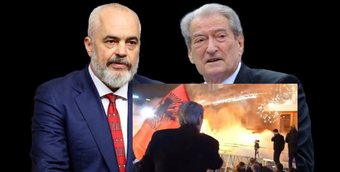
Molotov cocktail on Saturday, shopping on Thursday!
Nga Bato Kosova
ideas


top







services
- POLICE129
- STREET POLICE126
- AMBULANCE112
- FIREFIGHTER128