


FLASH NEWS
Inflation basket, spending on clothing and furniture decreases, while spending on digitalization and finance increases

2026-02-13 08:49:30 / EKONOMI&SOCIALE
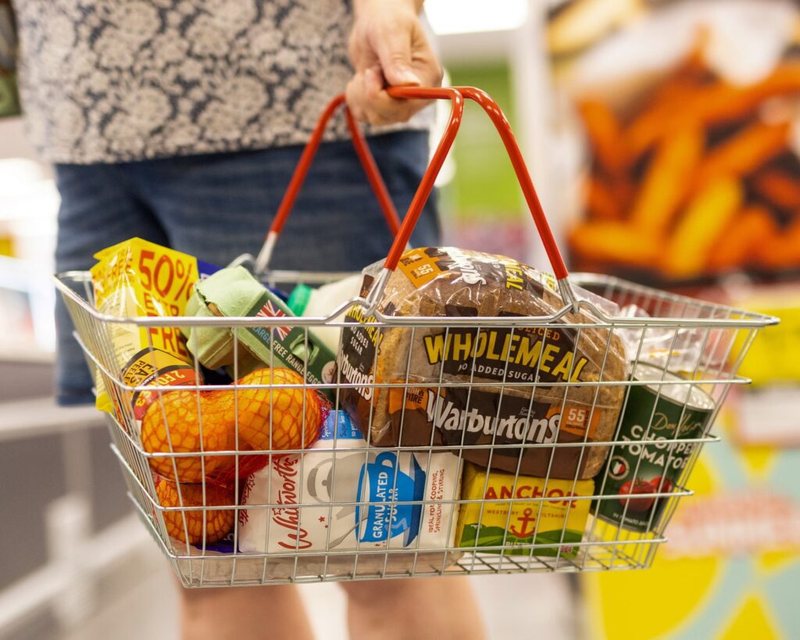
The spending structure of Albanian families has undergone significant changes in the period 2020–2025, reflecting increased financial insecurity and the transformation of lifestyles towards digital services and more necessary expenses.
INSTAT updated its inflation measurement method earlier this year. The new data shows that citizens are gradually shifting priorities from consumption of secondary goods and services towards financial security and basic services.
The novelty is the inclusion as a new category of expenditure “financial insurance”, which accounts for 1.5% of total monthly household expenditure. This category has not previously been included in the basic measurement groups. This trend is related to the increased awareness of economic risks, uncertainties in the labor market and the growing interest in protective financial products, such as life insurance, health insurance or savings products.
A significant increase was also recorded in communication expenses, which increased from 3.0 in 2020 to 3.6 in 2025, or by 0.6 percentage points. The expansion of the use of the internet, online services, digital platforms and communication packages has increased the weight of this category in household budgets.
On the other hand, the sharpest decline was recorded in personal care and related goods, which shrank from 5.6 to 4.5, or by 1.1 points. This suggests a reduction in spending on non-essential products and services, reflecting a greater focus on basic spending.
Also declining are expenditures on furniture and household appliances, which have fallen from 7.5 to 7.0, or by 0.5 points, signaling a slowdown in investment in durable goods. Also, expenditures on entertainment and culture have shrunk, from 2.3 to 2.0 (-0.3 points), as well as educational services, from 3.4 to 3.0 (-0.3 points), reflecting rationalization of consumption in categories that are not considered essential in the short term.
A slight decrease was also recorded in health expenditures, from 3.5 to 3.2 (-0.2 points), as well as in food and non-alcoholic beverages, from 34.3 to 34.1 (-0.2 points), which is more related to the change in the relative weight of the categories than to a real decrease in expenditures in these categories.
Meanwhile, transportation costs increased from 6.1 to 6.4, or 0.3 points, related to fuel costs and increased mobility. A slight increase was also recorded in the category of rent, water, energy and fuels, from 20.1 to 20.2 (+0.1 point), as well as in alcoholic beverages and tobacco, from 4.9 to 5.0 (+0.1 point).
Spending on clothing and footwear has marked a slight decrease, from 3.9 to 3.8 (-0.1 points), while spending on hotels, cafes and restaurants has remained unchanged at 5.7./ Monitor
Happening now...










ideas


When bandits are surrounded by fools!
Nga Irena Beqiraj

Po Berisha, a i mban mend protestat e Bashës?
Nga Ermal Peçi
top



Alfa recipes





services
- POLICE129
- STREET POLICE126
- AMBULANCE112
- FIREFIGHTER128