


FLASH NEWS
Berisha and the Dodik model: The price of lifting sanctions is leaving politics

2025-10-29 16:34:44 / EDITORIAL
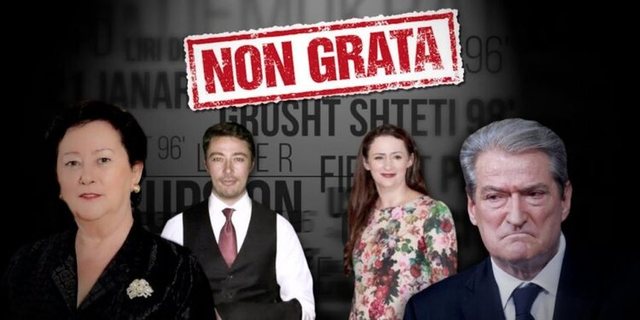
The return of Paul Manafort, Donald Trump's former campaign manager and one of the darkest figures in global lobbying, is reconnecting the hidden threads between Balkan politics and the corridors of power in Washington. Pardoned by Trump for financial crimes and political manipulation, Manafort is returning as the architect of the image rehabilitation of leaders sanctioned and isolated by the West.
Two of these names are well-known to the Balkan public: Sali Berisha and Milorad Dodik.
The Manafort Model: From Washington to the Balkans
In April, in Brescia, Italy, Paul Manafort appeared publicly alongside Sali Berisha at a meeting with the Albanian diaspora. His participation was not accidental. It signaled a new strategy for Berisha’s image — an attempt to reshape him through a “Trumpian” populist narrative: attacking the “global elite,” opposing the “witch hunt,” and victimizing himself in the face of “Sorosism.”
This language, according to Politico's sources, bears the clear stamp of Paul Manafort — the man who knows how to transform contested figures into "political martyrs."
Berisha, declared non grata by the US for significant corruption, is following precisely this communication manual.
Dodik case: Departure as a rehabilitation agreement
On the other side of the Balkans, Milorad Dodik, the president of Republika Srpska in Bosnia and Herzegovina, has followed a similar path.
He too was advised by Manafort — not to influence American policy, but to rebuild his political base and prepare for a controlled exit from power.
The result is now clear: Dodik has accepted a deal to step down from the presidency, a step that is being followed by the gradual lifting of American sanctions against him.
This is the formula that worked:
???? Get out of politics, to regain international credibility.
But Berisha?
If the model is the same, then the question is inevitable:
Will Sali Berisha accept the same agreement that Dodik accepted?
In the last four years, Berisha has waged a political struggle for survival, destroying the structures of the Democratic Party and the real opposition, just to maintain personal control. He has made every possible concession to Edi Rama, including unprecedented offers of constitutional changes that do not affect elections, crime control, or democratic standards.
Why?
Because Berisha's problem is not political, but legal.
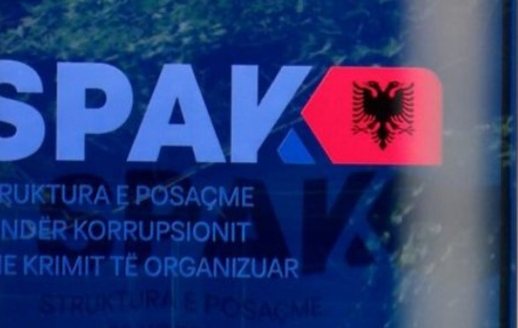
The SPAK files are really his biggest threat. And to avoid them, Berisha is willing to negotiate anything — even with the opponent he once called his "enemy."
Propaganda and the illusion of "rehabilitation"
Meanwhile, through his lobbyists, Berisha has attempted to create the illusion of a softening of the American stance, spreading lies that he is “no longer active in politics.”
This is part of a disinformation campaign that aims to create the impression that “relations with the US are normalizing.”
But the facts speak differently: Berisha is more active than ever, more isolated internationally, and politically more dependent on the support of Edi Rama.
Who will pay the price of sanctions?
In the end, history is repeating itself with a similar scenario, but with different actors.
Milorad Dodik realized that in order to be internationally rehabilitated, he had to leave.
Sali Berisha, on the other hand, continues to believe that he can survive politically by fighting everyone — except himself.
If Manafort's model works the same as it did in Bosnia, then lifting US sanctions has only one condition: exiting politics.
For Dodik, that is already an open path.
For Berisha, it is still a closed path — and will probably remain so, until the day politics can no longer shield him from justice.
Happening now...






ideas

top



Alfa recipes








services
- POLICE129
- STREET POLICE126
- AMBULANCE112
- FIREFIGHTER128