


FLASH NEWS
Prime Ministers and Public Television

2026-01-16 20:43:02 / IDE
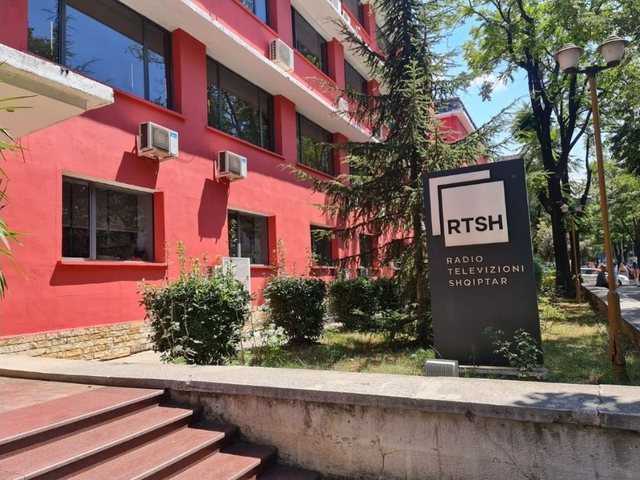
Public television bears the name of the public, is financed with public funds, but has functioned as an extension of successive governments. Each government has acted with the postulate that Public Television should be kept professionally weak and politically strong. It has functioned not as a public service, but as a communicative extension of power. Governments have their merit in this failure. They have done everything to ensure that television is not truly reformed, because an independent public media would be a threat to any power. Instead of legal guarantees for editorial autonomy, financial dependence and political appointments have been cultivated.
In terms of communication theory, public television has failed to create public space in the Habermasian sense. Instead of rational debate, it has produced a government monologue, instead of information, it has offered a filtered narrative. So we do not have classic censorship, but systematic selection, who speaks, what they speak about and how long they speak. In this case, public television does not suppress the word, it simply administers it.
The great irony is that every government proclaims itself to be reformist, while maintaining the same control mechanism over public television. Television does not fail because it does not know how to function differently, but because it is asked not to function differently. Therefore, it remains public in name, private in interests and governmental in content. A faithful reflection of a democracy where communication serves the government more than the citizen.
The irony reaches its peak when the prime minister appears publicly concerned about the lack of a functional public television, as if he were a spectator and not one of the main architects of this reality. This performative concern is part of the same communicative mechanism where the government criticizes the consequences of its own policies, artificially distancing itself from them. This form of communication is nothing more than a distribution of responsibility through rhetoric, where the leader speaks as a moralist, while governing as an administrator of information control.
Public television is weak not only because of mismanagement, but also because of the political goals of the prime minister, as of his predecessors. This quality is not a coincidence or a failure, but a deliberate strategy. On the other hand, a society that loses its public media also loses an important part of itself and the ability to understand the world around it.
Happening now...






ideas


top






TRENDING 




services
- POLICE129
- STREET POLICE126
- AMBULANCE112
- FIREFIGHTER128