


FLASH NEWS
Oscar Wilde's Inglorious Farewell

2025-12-01 16:19:33 / JETË
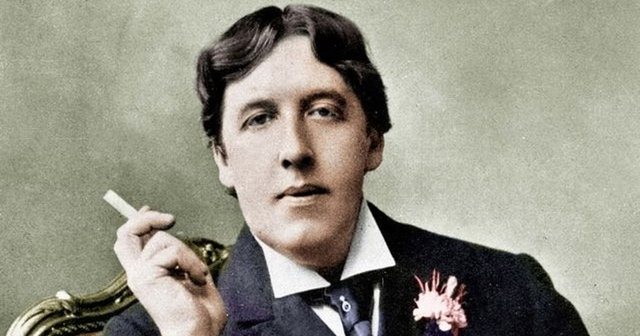
No sinner was punished so severely as he. Never was the voice of feelings burned so mercilessly in the hellish flames of anathema as his.
Only seven people accompanied the coffin with the lifeless body of Oscar Wilde to his final resting place, on that turquoise day of November 30, 1900, in the suburbs of Paris.
Three of them were English, including the much-talked-about lord as his lover, Alfred Degllas, who came to France from Sweden and paid for the funeral.
Only the hotelier's wreath was dedicated: "To my tenant," which rested on the mound of earth, 125 years ago.
Now he who defied everything and could not overcome temptation alone, was crawling underground, far away
He was no longer Oscar Wilde, as the exploits and the fuss that covered his body with mud and his fame with denial could not escape with him.
A glimmer had been extinguished at the age of 46, after an agony of hell, the "genius of evil", the embodiment of the doctrine, "Art for art's sake", the tearer of the puritan mask at the crossroads of an era, Oscar Wilde.
No one would have believed that the most decorated Victorian pen would thus sink into the deep abyss of contempt and oblivion, disregard and disdain. Fate had chosen the most venomous language to mourn the years of agony of a literary genius.
Oscar Wilde remains one of the most extraordinary characters of Victorian fiction. A character elusive from any initial approach to defining him as a man, an artist, a freedom fighter, or a courageous initiator of civic norms.
He embodied the most stormy and at the same time, the most debated model of the time. Both in the lush daily life of a liberated intimate life, and in his masterpiece, he remains the most culminating peak.
This elegant, graceful, and charming gentleman, obsessed with paradoxes and everything modeled by the code of Victorian citizenship, was pumping up adrenaline and ambrosia levels, breaking the ethical barriers that kept one of the countries teeming with civilization locked up.
He did not stop, even though he had to pay the price of tragedy and drown his greatness under the suffocating mold of loneliness.
This rebel, this "hero of evil," carved on the moldy walls of London, not only his second-to-none name, but also shone a brighter light in the eyes of the vaporized lenses of prejudice.
His skyscrapers of freedom, even today, break the clouds of conformism and fanaticism. He preached himself and his characters with sanctity. He promoted the doctrine of art-man.
The heavy claw of anathema crushed the soul that “can resist everything except temptation.” The loud clamor of everything clothed it with fame and glory, but it did not spare itself from tearing more and more feverishly each day the premature portrait it had shaped.
Happening now...















Karmën nuk e ndalon dot Sali Berisha!
Nga Bato Kosova
ideas

"Topple" Edi Rama by lying to yourself...
Nga Patrik Sadikaj


Only accepting Berisha's truths will save the DP from final extinction!
Nga Neritan Vladi
top







TRENDING 




services
- POLICE129
- STREET POLICE126
- AMBULANCE112
- FIREFIGHTER128