


FLASH NEWS
Why a thin person is also at risk of being diabetic

2022-07-01 19:34:02 / JETË
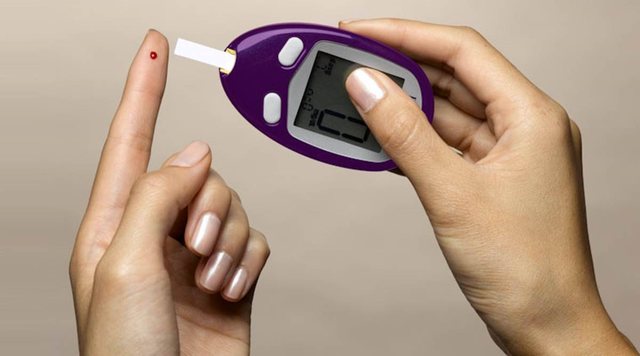
People often assume that if they are not overweight they are not at risk of developing diabetes. This is mainly due to the prevalence of type 2 diabetes, which is directly related to body weight. As our weight increases, so does our risk of developing type 2 diabetes.
However, diabetes is not always related to your appearance. If you are thin but have insulin resistance, your blood sugar may rise. Some may think that if their BMI (body mass index) is below 25, they are healthy. But weighing weight can give a false sense of security. Individuals with a normal body weight, but with an increased percentage of body fat and low muscle mass, often have insulin resistance. They are equally at risk of developing type 2 diabetes.
An important cause is physical inactivity. Many individuals spend all day in front of a computer or television and do minimal, if any, leisure time exercise. Low physical activity results in low muscle mass (also called sarcopenia) and insulin resistance even in a lean individual. Such lean individuals, who have a low muscle mass and a high percentage of body fat, experience the same metabolic effects as those who are obese ("metabolic obesity"). Sometimes muscle mass is more important than waist circumference. So measuring your waist to hip ratio is important. Those with visceral fat and high cholesterol are also prone. If there is a family history of diabetes, this risk increases exponentially.
Pacientë të tillë zakonisht menaxhohen fillimisht me ilaçe antidiabetike orale, por mund të kenë nevojë për insulinë më herët në rrjedhën e sëmundjes së tyre sesa një pacient tipik mbipeshë ose obez i diabetit të tipit 2.
Këta të rritur mund të kenë edhe lloje të tjera të diabetit. Diabeti i tipit 1, i cili karakterizohet nga mungesa e rëndë e insulinës, tradicionalisht mendohej se ndodhte kryesisht tek fëmijët. Ky lloj diabeti quhet edhe diabeti i varur nga insulina me pacientët që kanë nevojë për insulinë për trajtim që nga momenti i diagnostikimit. Kjo ndodh për shkak të një reaksioni autoimun brenda trupit të tyre ku ata zhvillojnë antitrupa kundër qelizave të tyre pankreatike.
Pacientë të tillë manifestojnë humbje peshe, rritje të urinimit dhe etje dhe simptoma të tjera klasike të diabetit. Ndonjëherë, ky lloj diabeti evoluon ngadalë dhe maskohet si diabeti i tipit 2 në fazat e hershme. Kjo formë ngadalë evoluuese e diabetit të tipit 1 tek të rriturit quhet LADA (diabeti autoimun latent i të rriturve). Shumë pacientë të tillë janë të dobët ose nën peshë. Karakteristikat klinike dhe testet speciale të gjakut si niveli i peptidit C dhe antitrupat GAD 65 mund të ndihmojnë në dallimin e LADA nga diabeti i tipit 2 tek të rriturit.
Llojet e tjera të diabetit mund të prekin edhe të rriturit e dobët. Për shembull, diabeti që pason pankreatitin ose operacionin pankreatik. Këta pacientë janë zakonisht të dobët dhe mund të kërkojnë gjithashtu insulinë për trajtim.
There are also some types of diabetes that are classified as "monogenic" diabetes, where a single gene defect can cause diabetes. Such patients differ from typical type 2 diabetes and are not always overweight or obese.
Thus, ideal body weight and normal body mass index (BMI) cannot be the only indicators of diabetes risk in adults. Diabetes can affect even frail adults.
Happening now...















83 mandates are not immunity for Rama's friends
Nga Gentian Gaba
ideas



top


Alfa recipes




TRENDING 




services
- POLICE129
- STREET POLICE126
- AMBULANCE112
- FIREFIGHTER128