


FLASH NEWS
How it was born and why "Sultan Novruzi" is celebrated / Rites and dates where it is celebrated in different countries

2024-03-22 16:47:12 / JETË
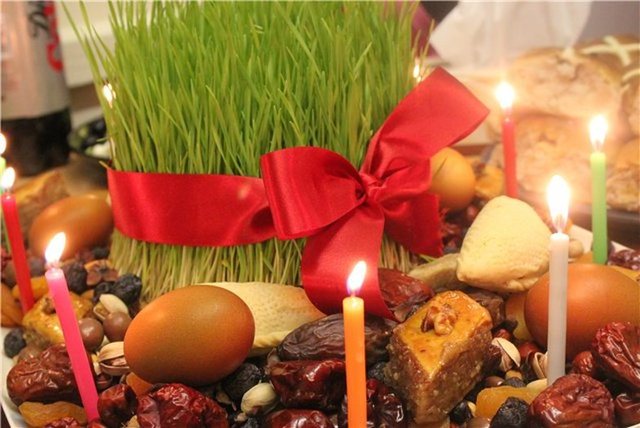
Nowruz (Persian: نوروز Nowruz, [nouˈɾuːz]; "new day") is the name of the Iranian new year, also known as the Persian New Year. The day of Sultan Nowruz marks the birthday of Imam Ali in the Kaaba. On this day everything is resurrected, hope is born, resurrection for all humanity. It is a new day, when everyone hopes for a better future.
"Nevruzi" comes from Persian and means "New Day", while "Sultan" is the high title that shows the importance of this day. The festival of Sultan Novruz arrived in the Albanian world together with the Bektashi faith, in the XV-XVI centuries.
In the 20th century and especially in the middle of it, this holiday has turned into a nationwide manifestation. The communist dictatorship in Albania, inclined towards atheism, in 1967 closed all places of worship, including those of the Bektashi faith.
In Albania, Novruz Day, the most important holiday of Bektashism, was decreed as a national holiday in 1996. The Bektash sect is located mainly in the south of the country, while it has a considerable extension in the territory of the Republic of Albania. The Bektashis are also widespread in Kosovo and Macedonia, where, along with the Sunnis, they make up the Albanian population of the Muslim faith.
Since Sultan Nowruz is not formalized in the Islamic calendar, the great-grandfather must confirm in which calendar it is not Islamic.
Novruz Day is also celebrated in other countries of the Muslim world (Ymmeti), on days ranging from March 20 to 26, such as:
Afghanistan Afghanistan (March 21)
Azerbaijan Azerbaijan (March 20 to 24, 5 days)
Georgia Georgia (March 21)
Kyrgyzstan Kyrgyzstan (March 21)
Stampa:Country data Iraq Iraq (de jure in Stampa:Country data Kurdistan Iraqi Kurdistan) (March 21 )
Iran Iran (March 21 to 24, 4 days for everyone and 14 days for schools and universities)
Kazakhstan Kazakhstan (March 21 to 23, 3 days)
Albania Albania (March 22)
Stamp: Country data Tajikistan Tajikistan (March 21 to 24 , 4 days)
Turkmenistan Turkmenistan (March 21 to 22, 2 days)
Uzbekistan Uzbekistan (March 21)
How is this holiday celebrated?
This celebration lasts for three days. On March 22, Imam Ali was born and three days later he was named. Believers exchange visits to each other and then pray and pray. They help people in need.
In the morning, for believers and all present, milk and sherbet are distributed, symbolizing the purification of body and soul. These two drinks are considered heavenly drinks. The ceremony is always held at 10:00. The clergy come out, together with the believers sing the song of Sultan Nevruz in chorus.
Then, blessings are given by the spiritual leader to the orphans, to the orphans, to all those who are in difficulty. Blessings are given to the Albanian army, the President, teachers, intellectuals, etc. The holiday ceremony continues with the entrance to the shrine, where prayers are offered.
Is the Bektashian World Grandmother visited by many believers?
All the Grandmothers in the districts are visited by many believers, but this one in Tirana has special attention. In addition to believers, we also have tourists who come to visit the Capital. We have made an agreement with the state, as a religious community, to host tourists. Since the Grand Duchess opened, many foreign tourists have come. Most of the time they were organized in groups by tourist agencies, but there were also those who came privately. There have also been high-ranking, foreign officials who have visited our country and come to the Capital. We invite all embassies and diplomatic corps whenever we have religious holidays. A very large teqe is the one in Michigan, in the USA, where Bektashi groups gather. It is a patriotic and religious center. On the door of that house is written: Nation, Religion, Homeland. There is a map of Greater Albania and a double-headed eagle.
Rituals and traditional dishes for the celebration of Sultan Nevruz
The festival of Sultan Nevruz is very important for Bektash believers. The faithful feast on various sweets to show their love for each other and their generosity. They should help the poor and the needy by giving you food or income.
If they cannot do this, they should pray for people who are suffering. On this day of celebration, the Bektashis plant flowers or other plants in their houses. They put branches of wheat or olive through the gates of the houses. An interesting rite is the hanging of Summer's Day wreaths on rose or pomegranate branches. In the morning you should drink milk and make sherbet, because these two drinks are called heavenly drinks.
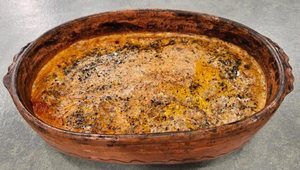
On this day, the Bektashi cook some characteristic foods, which have been passed down from generation to generation. For Sultan Nevruz, the Bektashi cook a pie with 12 different types of herbs.
The plants of the land have a special importance, because they symbolize the new life that blooms in the spring and prosperity. A metal coin is also inserted into the pie. After the pie is baked, the housewife divides it into pieces and gives it to each member of the family.
He who finds the coin in his share is considered lucky and will have a good and prosperous year. On this day, it is also cooked with chicken or lamb.
For Sultan Nevruz, the faithful must slaughter a sacrifice. Roasted meat is not missing from their tables. The traditional dessert of this holiday is sultiashi. This dessert consists of milk, which is a symbol of mother's milk; rice, which symbolizes grains and abundance, and sherbet, which is taken sung in the teke. Kabuni can also be cooked as a dessert (with rice, gravy, sugar, raisins and nuts).
In the plain areas, a kulach is also made with noodles that the children roll in the wheat fields to bring abundance to the family./ Alfapress.al
-

Judo/ Distria Krasniqi wins the bronze medal at the Grand Slam of Georgia
March 22, 4:31 p.m -

Happening now...







ideas

Who are the shadows surrounding the protest?
Nga Ergys Mërtiri
Protest against an immoral elite
Nga Sokol Neçaj

Protests do not produce leaders
Nga Ardi Stefa
top

Alfa recipes


TRENDING 




services
- POLICE129
- STREET POLICE126
- AMBULANCE112
- FIREFIGHTER128