


FLASH NEWS
Analysis/ What is happening in the Democratic Party of Kosovo?

2025-11-15 09:08:25 / KOSOVA
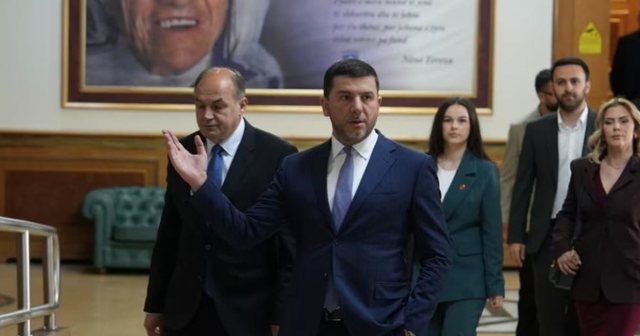
The Democratic Party of Kosovo (PDK), currently the second largest parliamentary force in the country, is moving towards electing a new leader, in an effort to bring to power someone who can challenge incumbent Prime Minister Albin Kurti, whose party, the Vetevendosje Movement (LVV), has been in power since 2021 and won the most votes in the February 9 parliamentary elections.
The current chairman, Memli Krasniqi, suddenly resigned on Wednesday and called the party convention for Monday, November 17, saying that the time has come for new momentum and opportunity for "our democratic family."
A day later, Bedri Hamza, its candidate for prime minister in this year's elections, announced that he would run for mayor, promising reforms to restore PDK "as the main party in the country."
While everything seemed to be going according to plan, MP and former acting mayor, Enver Hoxhaj, came forward with objections.
He called for the Convention to be postponed to November 23, saying that more time is needed for a more quality race, and that a democratic party should have more than just a single candidate in the race.
"PDK needs new leadership, not old schemes, it needs a new vision, not a change of roles. This is the moment to pave the way for real change," Hoxhaj wrote on Facebook.
The PDK has not responded to Radio Free Europe (RFE/RL) questions about whether Hamza will have opponents in the race for party leadership.
REL has also contacted Hoxhaj, but he has not indicated whether he will be part of the competition.
But later on Friday, Hoxhaj, speaking on the "Rubikon" show on Klan Kosova, hinted that he would fight to convince the party to postpone the Convention, to secure the support of party delegates to compete.
According to the PDK statute, a candidate must have the signatures of 50 delegates and must submit their candidacy up to five days before the Convention is held.
This means that, if the Convention is held on Monday, Hoxhaj will not be able to compete.
"It is human nature to fight in such situations. I will fight my battle to the end," said Hoxhaj.
Artan Muhaxhiri, a sociologist and political analyst, tells REL that, although Krasniqi's resignation was surprising, "it was the right act."
He believes that the mayoral elections could become an "accelerator of change in the PDK, if the other necessary conditions are met."
According to him, it will be important for PDK how the competition is conducted, because if the process is just a formality, then there could be consequences.
“PDK-ja ka nevojë të domosdoshme për një rigjallërim të udhëheqjes, të strukturave për kërkim të resurseve profesionale brenda partisë, si dhe për ndryshimin e imazhit dhe të ndikimit në publik, sepse me zgjedhjet që na presin nuk mund të vazhdojë me këtë inerci”, thekson Muhaxhiri.
Kandidatura eventuale e Hoxhajt
Enver Hoxhaj nuk kishte garuar as në Konventën e vitit 2021 kur u zgjodh Memli Krasniqi për herë të parë kryetar, pavarësisht se për më shumë se 200 ditë e kishte udhëhequr partinë si ushtrues i detyrës.
Këtë vit, ai ka qenë i zëshëm në qëndrimet e tij që dallonin me ato të vetë partisë, pasi në verë ai kishte thënë se do ta mbështeste një koalicion me LVV-në e Kurtit, dhe kishte nënvizuar se mund të kishte rol kur kishte folur për zgjedhjet e mundshme brenda partisë.
Nëse Hoxhajt i mundësohet të garojë, sipas Muhaxhirit, ai duhet ta ketë një ekip pas vetes dhe një platformë me “ide të freskëta dhe kreative”, me të cilat do të mund t’i bindte edhe anëtarët e PDK-së që mund ta sfidojë Kurtin.
Muhaxhiri beson se Hoxhaj është pjesë e rëndësishme e PDK-së, pavarësisht se ai nuk e ka më ndikimin që kishte në parti kur ajo udhëhiqej nga Hashim Thaçi dhe Kadri Veseli, që tani po gjykohen në Hagë për krime lufte, të cilat i mohojnë.
“Gjithsesi, ai është pjesë shumë e rëndësishme e PDK-së dhe nëse ka platformë dhe ekip, mund ta sfidojë Hamzën, por duket se kjo garë tashmë është e përfunduar dhe Hoxhaj është duke u përpjekur ta krijojë një imazh të një rebeli përbrenda PDK-së që nuk pajtohet me të gjitha vendimet”.
A mund të sjellë ndryshime Hamza?
Muhaxhiri vlerëson se PDK-ja u tregua e “sinqertë” duke i shpallur zgjedhjet për kryetar për t’u ballafaquar me gjendjen e tanishme, dhe për të kërkuar mundësi për t’u kthyer në pushtet.
“Sepse më nuk ka kuptim që PDK-ja të jetë në këtë gjendje ku është shumë larg Lëvizjes Vetëvendosje dhe pa ndonjë ide të qartë se si ta sfidojë pushtetin e madh të Kurtit”, shprehet Muhaxhiri.
Nën udhëheqjen e Krasniqit – nga viti 2021 – PDK-ja doli e dyta në zgjedhje parlamentare në shkurt, duke ngelur goxha mbrapa LVV-së.
Ajo i fitoi gjashtë komuna në zgjedhjet lokale, duke pësuar një rënie të vogël në nivel lokal.
Brenda PDK-së kishte përçarje në Drenas, të cilat u bënë të qarta kur partia nuk e nominoi për kryetar Ramiz Lladrovcin, njeriun i cili e kishte udhëhequr këtë komunë qysh nga viti 2016.
Lladrovci garoi si i pavarur dhe e mposhti të nominuarin e PDK-së, Petrit Hajdarin, duke e fituar garën bindshëm në rundin e parë më 12 tetor.
Muhaxhiri nënvizon se PDK-ja nuk ka pasur strategji, plan apo ide sesi ta sfidojë Kurtin dhe LVV-në në këto pjesë vjetët e fundit.
"As was seen in the local elections now, Kurti only expanded his power with new municipalities. This is a great danger for the PDK, because if Mr. Kurti wins the parliamentary elections again with about 40 percent, this will be a sign that they absolutely have not been able to reduce his power even by a millimeter, and this is inexcusable if it lasts six or seven years," according to Muhaxhir.
Kosovo could go to parliamentary elections no later than December, given that neither party has the necessary majority, nor the will for co-government, after the February elections.
And, if Hamza is elected PDK chairman, which seems inevitable, seeing as he also received Krasniqi's public support on the day of his resignation, then he has only one task, according to Muhaxhir.
"To diligently search within PDK structures throughout Kosovo for new people, new personalities, new professionals, and to bring them into focus as representatives of a new generation of PDK, because only in this way can some kind of hope be created that PDK can be reformed and increase its power."
PDK, formed at the end of 1999, co-governed in 2001-2004, while in 2007, it emerged as the most voted party in Kosovo for the first time.
It governed for seven years with Hashim Thaçi as Prime Minister of Kosovo.
For 17 years, the PDK was led by Thaçi, who served as both president and prime minister of the country at several stages.
In 2016, when Thaçi became president, the party was led by Kadri Veseli until he left for The Hague in 2020. /REL
Happening now...




Karmën nuk e ndalon dot Sali Berisha!
Nga Bato Kosova
ideas

"Topple" Edi Rama by lying to yourself...
Nga Patrik Sadikaj

Only accepting Berisha's truths will save the DP from final extinction!
Nga Neritan Vladi
top




TRENDING 




services
- POLICE129
- STREET POLICE126
- AMBULANCE112
- FIREFIGHTER128