


FLASH NEWS
How and who attacked the government websites of Kosovo?

2024-05-14 17:30:11 / KOSOVA
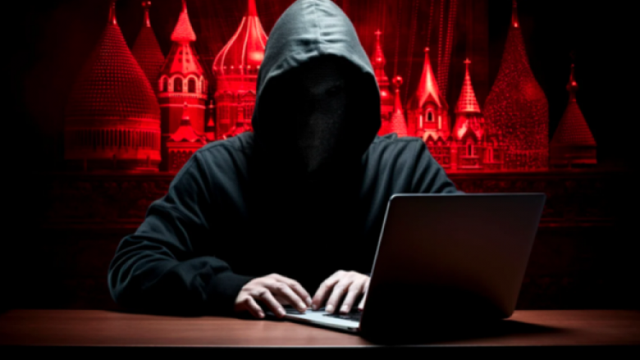
Several pro-Russian hacker groups have claimed responsibility for cyberattacks that temporarily blocked several government websites in Kosovo last week, although the government said the attack did not affect data and the sites are back online.
Radio Free Europe has analyzed the profiles of these potential attackers, while experts in the field say the attack should be a wake-up call for greater cyber protection.
"Kosovo's mistake" is the hashtag used in several posts on the Telegram channel called "Server Killers".
In these posts, which started on May 7, this pro-Russian Telegram group, which on May 14 had about 2,000 members, claims to have carried out cyber attacks on several Kosovo government websites.
The group says the attack was carried out after Kosovo's Minister of Defense, Ejup Makedonci, at an international defense conference held on May 6 and 7 in Poland, expressed support for Ukraine in connection with Russia's war there.
"He should think more about the security of his site, and not about Ukraine," was written in a post on the Server Killers channel on May 7.
In the post, they also included photographs that, according to them, were proof of the blocking of the pages of the Prime Minister's Office and the Presidency, among others.
The hacker group warned of further attacks in the coming days and the last post on this was made on May 10.
The government of Kosovo has publicly confirmed the attacks carried out during the past week and blamed "Russian hackers" for this, without specifying who exactly it is.
"Several government websites have been the target of DDoS attacks. For a short time the web pages have been down. They have returned to function and without consequences in the data", said the spokesperson of the Government of Kosovo, Përparim Kryeziu, for Radio Free Europe, without specifying other details about the attack.
The Ministry of Internal Affairs and the Police have not indicated whether there is any progress in identifying the specific attackers or any other steps related to this situation.
What is a DDoS attack?
Distributed Denial of Services (in Albanian: Mohim i Shpërndare i Shërviteljeve) is a type of cyber attack where large traffic is sent from different addresses to the sites that are the target of the attack. This unusual traffic then causes the targeted site to be blocked or defunct. "As an attack, it is quite effective. It is probably not the most advanced and is the easiest to execute. You don't need to be very advanced in technology to execute it", says Kujtim Kryeziu, CEO of the cyber security company.
Kryeziu, i cili ishte i angazhuar edhe në disa projekte qeveritare për siguri kibernetike, thotë se grupe të hakerëve ndonjëherë përdorin këto sulme edhe për të dërguar mesazh apo për të testuar cenueshmërinë e sistemeve që i kanë shënjestër. “Në shumicën e rasteve këto sulme janë një indikator i parë i sulmeve të tjera që mund të vijnë… Kemi pasur rastin edhe në Shqipëri, sulmi që ka qenë nga Irani ka filluar me DDoS dhe në fund ka eskaluar në rrjedhje të të dhënave”, thotë ai për Radion Evropa e Lirë.
Kush janë grupet e hakerëve që morën përsipër sulmin?
Kanali në Telegram i quajtur “Server Killers”, sipas të dhënave të Telegramit, ishte regjistruar në fillim të gushtit të vitit 2023. Sipas analizës së bërë nga ekipi i forenzikës digjitale të Radios Evropa e Lirë, kanali është nga Rusia dhe në gjuhën ruse. Më 24 shkurt aty ishte uruar një festë shtetërore e Rusisë, përkatësisht “Dita e Atdheut” që festohet më 23 shkurt dhe u kushtohet veteranëve dhe personelit të ushtrisë ruse.
Më 8 maj, një ditë pas sulmit fillestar, në këtë kanal thanë se sulmit ndaj Kosovës i janë bashkuar edhe dy grupe tjera hakerësh: Digital Revolt (Revolta Digjitale) dhe Matryoshka 424, të dy kanalet po ashtu në gjuhën ruse. “Përgatitu për pasojat, Kosovë. Ju keni bërë një gabim fatal”, thuhet në postim në rusisht në kanalin Server Killers. Edhe dy kanalet e tjera bënë postime të ngjashme duke komentuar, po ashtu, edhe mbulimin medial të sulmit, duke thënë se ky është vetëm fillimi.
“Edhe ngrohja bëri bujë aq sa mediat u çmendën! Kosova ende nuk e ka parë fuqinë e sulmit tonë të përbashkët… Çfarë do të ndodhë tutje?”, thuhet në një postim në kanalin Matryoshka. Sipas faqes TGstat që tregon të dhëna mbi kanalet në Telegram, kanali Matryoshka ishte formuar më 27 prill të vitit 2023, ndërsa kanali Digital Revolt, së fundmi në maj të vitit 2024.
Të dyja së bashku kanë më pak se dy mijë anëtarë. Në kanalin e Server Killers, më parë ata kishin njoftuar se kanë kryer sulme edhe në faqe zyrtare të shteteve të ndryshme, përfshirë Moldavinë dhe Maqedoninë e Veriut, gjatë muajit prill. Qeveria e Kosovës nuk u është përgjigjur pyetjeve se cilat ueb-faqe qeveritare u sulmuan dhe për sa kohë zgjati sulmi. Ndërkohë, sipas postimeve nga grupet e hakerëve, ueb-faqet e sulmuara përfshinin atë të Kryeministrisë, Presidencës, Ministrisë së Punëve të Brendshme, Ministrisë së Bujqësisë e të tjera. Në testimet e bëra nga Radio Evropa e Lirë, më 14 maj, këto faqe ishin funksionale.
Si qëndron Kosova me sigurinë kibernetike?
Qeveria e Kosovës në një koment për Radion Evropa e Lirë lidhur me këtë sulm, kanë thënë se kanë shtuar “vigjilencën dhe bëjnë vlerësimet e nevojshme për të rritur nivelin e mbrojtjes nga sulme të ngjashme në të ardhmen”.
Kujtim Kryeziu thotë se në rastet e sulmeve DDoS, përdoren kompjuterë të shumëfishtë nga shumë lokacione.
"The fact that it is scattered and can come from different regions makes it difficult to find. If (the attack) is very big, it can come from Russia, from China, but also from Kosovo from infected systems", explains Kryeziu.
He, however, says that the Government and the experts within it are able to identify the source of the attack to some extent and in this case "they have a basis to say that the attack came from Russia".
Kosovo's institutions were the target of cyberattacks several times in recent years, but without long-term consequences or data leakage.
A report by the Kosovo Center for Security Studies (KKSS), from 2023, states that about 64 percent of surveyed citizens considered cyber attacks "as a risk to national security".
When it comes to state institutions and cyber security, according to Kryeziu, one of the biggest problems is the lack of "Kosovo's independence on the Internet". This is because, similar to a special state telephone code, Kosovo should also have a unified address of websites, what is called "Top Level Domain" (TLD). Kosovo has not yet received its TLD because the granting process must include some kind of political agreement from many countries, including those that do not yet recognize Kosovo's independence.
He says that in case of receiving the TLD, opportunities for even more advanced protection of online institutions are opened. Another problem with cyber security in Kosovar institutions, according to Kryeziu, is the lack of human resources, as qualified cyber experts are more oriented to the private sector, as the "more profitable and growing career opportunities" sector.
In September 2022, Kosovo adopted the Cyber Security Draft Law, while the National Cyber Security Unit (KOS-CERT) also operates within the country. This institution has not responded to REL's questions regarding the recent attacks.
Happening now...







America may withdraw from Europe, but not from SPAK
Nga Gentian Gaba
ideas


Who is the Surrel Rabbit?
Nga Sidi Hasanaj
The two wrong paths of the opposition with the Ombudsman
Nga Patrik Sadikaj
top


Alfa recipes



TRENDING 




services
- POLICE129
- STREET POLICE126
- AMBULANCE112
- FIREFIGHTER128