


FLASH NEWS
Petra, all the secrets of the extraordinary ancient city

2025-07-01 16:31:59 / MISTERE&KURIOZITETE
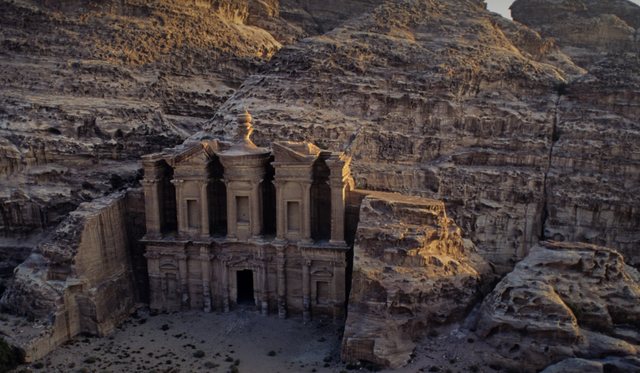
In Jordan, between the Dead Sea and the Red Sea, near a dam, lies a canyon . It leads to the unique city of Petra . This UNESCO World Heritage Site is one of the most attractive in the world for tourists.
Built by the ancient Nabataeans as a caravan city from the 4th century BC to the 1st century AD, its buildings are unique because they are carved into the rock face of red sandstone cliffs. For this reason, Petra is sometimes called the City of Roses. But many things about it still remain a mystery. For example, it is still not clear how it was built in one of the driest areas in the world.
He became rich from the spice and incense trade.
Its strategic location between the Dead Sea and the Red Sea made it a crossroads for trade goods between Egypt, Arabia, and East and South Asia. Frankincense and myrrh from Oman regularly passed through Petra , as did spices from India and fabrics from Syria.
Petra was known in both biblical and Greco-Roman traditions. It was located in Wadi Mūsā , which means “Valley of Moses ,” a place where Moses struck a rock to bring forth water. In the Bible, the city was called “ Sela ,” which in Greek means “ Petra .” Both terms mean “stone” and refer to the sandstone cliffs on which it was built.
It reached its peak under the leadership of the Nabataeans.
The Nabataeans were originally nomadic Arabs from the Negev Desert in present-day Israel. They are known to have been traders in incense, and they soon came to dominate trade in the region, creating empires. From Petra , they controlled trade from as far away as China, amassing wealth through taxes. The exact date of their founding is unknown, but they are known to have been present there by 312 BC when they are mentioned in Greek records. At its peak, Petra had over 30,000 inhabitants.
It had one of the best water conservation systems
Nabataeasit ishin ekspertë në ruajtjen e ujit. Ata përdornin cisterna për ta ruajtur ujin, të cilin e fshihnin me shenja që shiheshin vetëm nga ata. Petra vuante nga thatësira ekstreme por edhe ndaj përmbytjeve të mëdha sezonale. Kështu një grup turistësh francezë u mbytën nga një përmbytje e madhe në vitet 1960. Çuditërisht, Nabataeanët e lashtë nuk hasën probleme të tilla, sepse ishin inxhinierë shumë të mirë të menaxhimit të ujit.
Arkitektët e Petrës ishin shumë të zgjuar
Mënyra se si Nabataeasit e ndërtuan Petrën i kishte habitur prej kohësh studiuesit, derisa imazhet me lazer filluan të ofrojnë disa të dhëna. Në fillim ata gdhendën shkallë prej guri përgjatë faqes së shkëmbit. Më pas muratorët dhe artistët do t’i përdornin ato shkallë për të vazhduar punën më në thellësi.
Shumica e njerëzve jetonin ndoshta jashtë godinave
Arkitektura e brendshme ka bërë që shumë studiues të supozojnë se këto godina nuk ishin rezidenca banimi. Përkundrazi, shumica e tyre ishin në fakt varre. Për disa kohë, ekspertët kishin supozuar se ky ishte funksioni i vetëm i Petrës, ashtu si nekropolet e Egjiptit të lashtë. Por kur u kuptua se atje kanë jetuar edhe njerëz, lindi pyetja se ku qëndruan saktësisht.
Disa spekuluan se duke pasur një trashëgimi nomade, Nabateasit mund të kenë zgjedhur të jetonin në tenda, duke i përdorur godinat e tyre monumentale të gurit për të nderuar të vdekurit e tyre.
Teatri mbante deri 4000 spektatorë
Nabataeasit gdhendën edhe amfiteatrin mbi shkëmbinjtë e kuq. Ai u ndërtua gjatë mbretërimit të Aretas IV. Bëhet fjalë për një amfiteatër tipik të stilit greko-romak, ku mund të uleshin dhe ndiqnin shfaqjet deri në 4000 spektatorë. Romakët e rikontrostruktuan atë më vonë, dhe për këtë arsye njihet ende sot si Teatri Romak.
Nën këtë qytet gjenden rrënoja të tjera
Ndërsa shumica e turistëve e vizitojnë Petrën për të parë punimet e mrekullueshme të gurit, kjo zonë përmban rrënoja të tjera historike nga popujt e mëvonshëm. Më i njohuri prej tyre është Al–Wu’eira, që u ndërtua nga mbreti kryqtar Balduini I, i cili e sundoi Jerusalemin gjatë viteve 1100-1118. Pra fortesa ka të ngjarë të jetë ndërtuar mbi fortifikimet e vjetra Nabataease ose romake. Ata ndërtuan një rrugë të gjatë e të drejtë me kolona që shkon direkt në qendër të qytetit.
Humbi gjurmët pas disa tërmeteve dhe u rizbulua në shekullin XIX
In the 1st century BC, the Nabataeans began to fall under Roman influence. In 64 BC, the kingdom began to pay an annual tribute to Rome. In 106 AD, the Nabataean kingdom was completely annexed by the Roman Empire. This led to a general decline of Petra , as trade routes changed.
The end of Petra was hastened by massive earthquakes in 363 and 551. Petra was soon abandoned, falling into oblivion. This was until the early 19th century, when the young Swiss explorer Johann Burkhard visited Syria in 1809. During a trip from Syria to Cairo, he heard about Petra , which was guarded by the local population. Burkhard disguised himself as a local resident. After visiting it, he wrote extensively about it in a book of travel memoirs. From that moment on, Petra became the most visited site in Jordan and one of the most visited in the world.
Taken with abbreviations from Grunge – Bota.al
-

-

-

UN: The world must learn to live with heat waves
July 1, 16:10 -

Olsi Bylyku and Denada Lura end their relationship?
July 1, 16:05
Happening now...















America may withdraw from Europe, but not from SPAK
Nga Gentian Gaba
ideas


Who is the Surrel Rabbit?
Nga Sidi Hasanaj

The two wrong paths of the opposition with the Ombudsman
Nga Patrik Sadikaj
top


Alfa recipes




TRENDING 




services
- POLICE129
- STREET POLICE126
- AMBULANCE112
- FIREFIGHTER128