


FLASH NEWS
Fitim Zekthi: Analysis of the DP's degradation; the Bolshevik war with bricks and crowbars did not happen even in Burkina Faso

2025-06-28 19:52:40 / POLITIKË
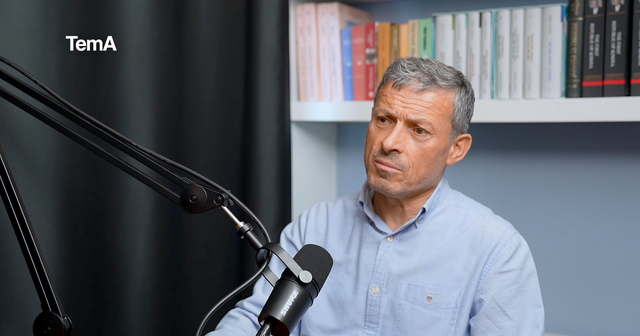
" A broken down car at a traffic light that stops traffic" - This is how analyst Fitim Zekthi describes the Democratic Party after the May 11, 2025 elections.
In an interview for TemA, Zekthi analyzes developments within the DP, emphasizing, among other things, that the Democratic Party has deeply deviated from the values it claimed to embody in its beginnings. According to him, the DP today is gripped by a conspiratorial spirit that reflects a deep identity and intellectual crisis.
The party's fatal blow, according to Zekthi, occurred in the period 2008–2009, with the constitutional changes, but also the alliance with Ilir Meta's LSI. He describes it as institutional degradation and corruption of the elites, factors which, according to him, distorted the initial mission of the DP.
He analyzes the path through which the DP ended up in this crisis, defining it as the result of a long process, where an unchanged elite with a Bolshevik mindset, inherited from the beginnings of pluralism, remained at the helm of the party, without internal reflection or change.
The "non-woman" moment for Sali Berisha, according to Zekthi, did not bring division for moral or ideological reasons, but revealed the hidden battle between two camps within the same rotten elite.
The history of the clash with crowbars and bricks within the DP, which he calls ridiculous and unprecedented even for countries like Burkina Faso, shows the extreme degradation of Albanian political culture. The DP is no longer rejected by society only because of individuals, but because of three features that make it unacceptable: its closure to new alternatives, its refusal to accept responsibility for the past, and its coexistence with a shared economic and media power with its nominal rivals.
In this reality, the media, organized crime and civil society appear not as controlling or corrective factors, but as co-actors of this silent power agreement. Zekthi raises serious questions about the role of intellectuals and the reasons why such a corrupt alliance between Edi Rama and Sali Berisha has been widely accepted as “political normality”.
He concludes with the shocking parallel: in no country in the world is there a leader like Berisha with such a long and authoritarian career, except for Cameroon and Eritrea — a comparison that invites deep reflection on the lack of facing the truth since the birth of the DP.
Happening now...














83 mandates are not immunity for Rama's friends
Nga Gentian Gaba
ideas



top



Alfa recipes




TRENDING 




services
- POLICE129
- STREET POLICE126
- AMBULANCE112
- FIREFIGHTER128