


FLASH NEWS
Germany liberalizes citizenship, Hoxha: Legal revolution for Albanian immigrants, language and integration remain the main conditions

2026-05-27 12:56:56 / AKTUALITET
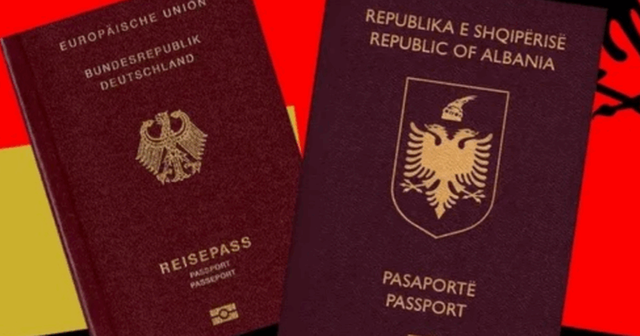
Germany has been implementing a major reform of its citizenship legislation since 2024, significantly easing the conditions for obtaining a German passport. According to the new changes, all persons who have a regular legal residence in the country and have been sustainably integrated for five years are eligible to apply for citizenship.
In a live broadcast on the show “Mirëmëngjes Shqipëria”, researcher and publicist Nidela Hoxha explained that these changes constitute a “revolution” compared to the previous citizenship law, emphasizing that the facilitations are particularly important for Albanians integrated into the German labor market. According to her, the new reform brings faster application opportunities, but the basic conditions remain unchanged, including knowledge of the German language and a regular employment contract. Hoxha emphasizes that:
"For Albanians who are well integrated, there are extremely large facilitations in documentation and procedures, especially for those who have reached the required level of language and social integration. Of course, the basic rules, which are language and employment contract, cannot be discussed at all, but there is facilitation in how quickly you are integrated into the German state," Hoxha declared.
The latter added that one of the most important changes of the reform is the possibility of maintaining dual citizenship, which was previously very limited or almost impossible.
"A decade ago it was unthinkable that someone who obtained German citizenship could hold another citizenship, whereas today this is possible," she said.
The new law entered into force on June 27, 2024 and is considered an important step not only for foreigners living in Germany, but also for German citizens themselves who want to have more flexibility in citizenship. However, Hoxha emphasizes that the reform also brings challenges in implementation. She adds that the large application load has also created significant delays in the process, making the German administration more burdened than before.
"This reform also comes with its own difficulties, especially due to the complete lack of digitalization in local administration and delays in documentation. There has been an extraordinary boom in applications, which has also brought chaos and delays in documentation, as well as overloaded offices," said Hoxha.
At the same time, according to her, checks on applicants have also been strengthened, especially in the verification of personal data, criminal history and documents from the country of birth.
The publicist emphasizes that the entire procedure for obtaining citizenship can take from one to two years, depending on the case and the documentation.
"Germany has put in place much stronger checks on criminal records, insurance and personal history, making the process more rigorous. If everything goes smoothly, the procedure could take one to two years," she said.
According to her, despite the administrative challenges, the reform remains an important step forward, bringing more facilities for immigrants and a more modern process of integration into the German state.
Happening now...
















ideas

Enver-Sali!
Nga Indrit Vokshi

Idolaters and idolatry have nothing to do with democracy!
Nga Ardi Stefa

top



Alfa recipes








services
- POLICE129
- STREET POLICE126
- AMBULANCE112
- FIREFIGHTER128