Will the new justice system unite the SP and the DP?
Nga Arbër Hitaj


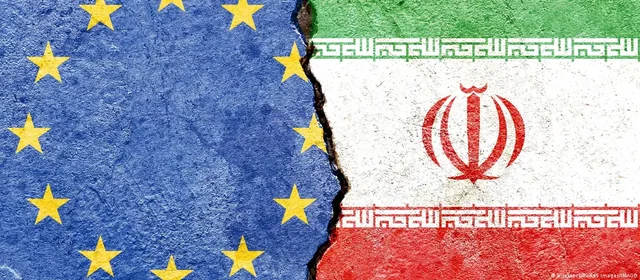
The debate in the European Parliament this week made one thing clear: Europe is failing to translate its concerns about Iran into influence. Members of the European Parliament debated how the EU should respond to US and Israeli air strikes on Iran, revealing deep divisions within the bloc and its institutions on the issue. The Strasbourg debate revealed a Europe deeply affected by the crisis but barely able to influence it as it would like. “The EU is simply playing absolutely no significant role at the moment,” says Julien Barnes-Dacey, director of the MENA program at the European Council on Foreign Relations (ECFR). “Europeans are irrelevant.”
The EU previously considered itself a key player in Iran. Since 2006, the EU High Representative for Foreign Affairs and Security Policy has coordinated talks between Washington and Tehran. This process led to the signing in 2015 of the Joint Comprehensive Plan of Action (JCPOA), the Vienna Agreement on Iran’s nuclear program, which set limits on Iran’s nuclear program in exchange for sanctions relief. Even after the agreement was signed, the EU remained its most important coordinator and advocate.
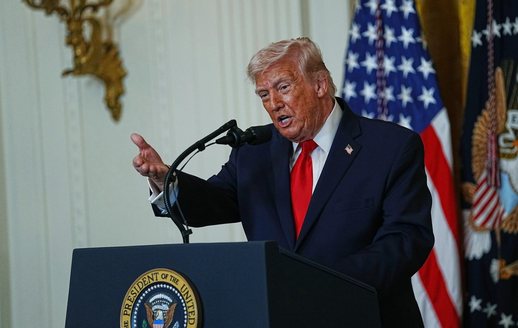
Much has changed since then. Under US President Donald Trump, Washington withdrew from the deal in 2018, dealing a serious blow to the diplomatic framework the EU had worked so hard to establish. However, the EU's loss of influence cannot be attributed solely to Trump, argues Barnes-Dacey.
"Neither the US nor the Iranians see Europe as a serious and credible diplomatic mediator," he tells DW.
Maneli Mirkhan, a Tehran-born analyst living in Paris, also says that Europe has lost its influence. Europe has been too naive for too long, she tells DW. The EU's focus on diplomacy and sanctions has failed to prevent Iran from developing its military, nuclear and technological capabilities.
The familiar problem: a divided Europe
Mirkhan and Barnes-Dacey agree on one point: Europe's internal divisions, an old problem, are only making things worse. A common foreign policy still depends heavily on reaching a consensus among member states; but that is difficult to achieve in a rapidly developing security crisis.
Spanja ka mbajtur një qëndrim veçanërisht të ashpër, duke i denoncuar sulmet ajrore si shkelje të së drejtës ndërkombëtare. Nga ana tjetër, kancelari gjerman Friedrich Mer fillimisht dukej se mbështeste objektivin e SHBA dhe Izraelit për ndryshimin e regjimit, por më pas duket se u tërhoq. Gjermania dhe Franca, si dhe Mbretëria e Bashkuar, e cila nuk ka qenë anëtare e BE-së që nga viti 2020, tani po bëjnë thirrje për kujdes, dhe i lidhin thirrjet e tyre për përmbajtje me kritikat ndaj Iranit.
Mesazhet nga Brukseli janë gjithashtu të përziera. Kaja Kallas, diplomatja më e lartë e BE-së, po përpiqet për uljen e shkallëzimit, ndërsa Presidentja e Komisionit Ursula von der Leyen foli për një “tranzicion të besueshëm” dhe “shpresë të re” për popullin iranian.
Shqetësim për marrëdhënien transatlantike
Efektet e kësaj përçarjeje përkeqësohen më tej nga dobësia strategjike e Unionit, sipas Barnes-Dacey. Ai thotë se Evropa e ka përqendruar energjinë e saj gjeopolitike në Ukrainë. BE e shqetësuar për rrezikimin e marrëdhënieve tregtare dhe bashkëpunimit midis SHBA-së dhe BE-së në dritën e luftës së Rusisë kundër Ukrainës, ngurron të kundërshtojë hapur Trumpin për çështjen e Iranit. “Strategjikisht, evropianët vazhdojnë të përqendrohen kryesisht në mbrojtjen e marrëdhënieve transatlantike sepse duan të sigurohen që amerikanët të mbeten në anën e tyre”, përfundon Barnes-Dacey.
Një kompromis paradoksal. Lidhur me Ukrainën, BE-ja mbetet një lojtare e domosdoshme, duke koordinuar sanksionet, ndihmën dhe mbështetjen ushtarake. Në lidhje me Iranin, BE-ja është lojtare dytësore. Barnes-Dacey ia atribuon këtë realiteteve dhe prioriteteve gjeografike: ndërsa Ukraina përfaqëson një problem ekzistencial sigurie në fqinjësinë e menjëhershme të Evropës, Lindja e Mesme, pavarësisht rrezikut të dukshëm të përshkallëzimit të konfliktit, ka rënë poshtë në listën e prioriteteve. Kjo zbulon gjithashtu një të vërtetë të pakëndshme: Evropa ende përpiqet të shfrytëzojë peshën e saj ekonomike në mënyrë strategjike.
Fakti që BE-ja e gjen veten në rolin e spektatores nuk do të thotë se mbetet e paprekur nga konflikti. Evropa mund të paguajë një çmim të lartë nëse Irani dobësohet por politikisht mbetet i paprekur, paralajmëron Mirkhan. Një konflikt i zgjatur mund të rrisë më tej çmimet e energjisë, të destabilizojë rajonin dhe të rrisë presionin e migracionit mbi Evropën. “Nëse nuk arrijmë të krijojmë kushte për një tranzicion relativisht të qëndrueshëm, rreziqet për evropianët janë shumë, shumë të larta”, thekson Mirkhan.
On this point, the two experts, Mirkhan and Barnes-Dacey, have different positions: Barnes-Dacey has serious doubts that Europe can regain any significant influence without a fundamental change in political will. Mirkhan is more optimistic. While Europe no longer has any real influence in the military phase of the crisis, it can still play an important role if the Islamist regime falls: by supporting opposition groups, mediating dialogue between them and shaping the democratic framework for a possible transition. Europe, according to Mirkhan, must move “from declarative and symbolic actions” to becoming a “driving force.”/DW