


FLASH NEWS
Why are prisons in Europe filling up faster than ever?

2026-06-02 22:02:30 / BOTA
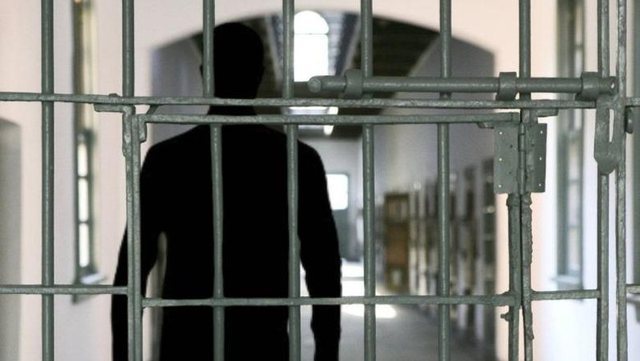
Bilal knows life behind bars well. Over the past 10 years, the 34-year-old has served his sentence in five different prisons in Belgium. His strongest memories are of Mons prison, a 19th-century institution near the French border, where, according to him, three to four prisoners were held in a cell measuring just 9 square meters.
He recalls the spread of diseases such as scabies, lice and monkeypox, as well as guards exhausted by hard work.
"During the 10 years in prison, things have only gotten worse," Bilal told Al Jazeera, asking that only his first name be used. "They have also taken away our time out of our cells, as well as various activities."
“The ever-increasing overcrowding and lack of staff make the situation very, very difficult,” warns Pieter Houbey, vice-president of the Central Council for the Supervision of Prisons (CCSP), an independent body. “The system has become almost impossible to guarantee treatment aimed at the rehabilitation of convicts,” he adds.
According to May data, 754 prisoners slept on mattresses placed on the ground, up from 672 in December.
Across Europe, prison populations have increased significantly following the COVID-19 pandemic, affecting around a third of prison administrations. The highest overcrowding rates are reported in Cyprus, followed by Slovenia, France, Croatia, Italy, Romania, Austria and Belgium.
As a result, governments are facing increasing pressure, while experts and system employees criticize common solutions, such as building new prisons or transferring convicts abroad, considering them ineffective.
"To guarantee dignified conditions, their rights must first be respected, so that they are not treated like rats in a cage," says Yasin Sarikaya, deputy head of Brussels prisons.
Prisoners, especially those in pre-trial detention, often spend 22 to 23 hours a day locked in their cells, which deepens the lack of privacy and exacerbates potential health problems or addictions. Medical care is often delayed for months.
Loic, 23, who is serving a seven-year sentence in the Saint-Gilles prison in Brussels, an institution that is expected to close by 2028, says that opportunities for work or activities are very limited. Many prisoners, he says, do not have residence permits. “It will be very difficult to get back into the job market,” he says. Bilal, convicted of two bank robberies and an attempted murder, says he has had periods of suicidal thoughts while in prison.
In recent years, videos have appeared on social media showing drones smuggling contraband into prisons. In 2024, a video went viral of a prisoner being raped by five others in his cell while guards were on a 48-hour strike and did not intervene.
Mungesa e stafit dhe lodhja e rojeve
Këto kushte e përkeqësojnë edhe më shumë mungesën e personelit.
Në burgun Haren, kompleksi më i madh në vend, disa roje janë të plagosur dhe nuk mund të kthehen në punë, thotë Sarikaya, i cili punon aty.
Sipas drejtorisë së përgjithshme të burgjeve, incidentet serioze në burgje janë dyfishuar brenda një viti.
Ndërsa nivelet e kriminalitetit kanë luhatje, ekspertët e lidhin situatën me politikat penale të Belgjikës dhe ashpërsimin e luftës kundër krimit të drogës. Një faktor kyç është vendimi i vitit 2023 për të ekzekutuar të gjitha dënimet deri në 3 vjet burg, që më parë shpesh zëvendësoheshin me mbikëqyrje elektronike.
Po ashtu, koha mesatare e burgimit është rritur në 9.9 muaj, një rritje prej gati 40% në pesë vite. Edhe paraburgimi përbën 32% të të burgosurve, shumë më lart se mesatarja europiane prej 24.7%.
Në korrik të vitit të kaluar, parlamenti belg miratoi një ligj emergjent. Ai parashikon përdorimin më të gjerë të dënimeve alternative për dënimet nën 3 vjet dhe lejon drejtuesit e burgjeve të lirojnë të burgosurit deri në 6 muaj para përfundimit të dënimit, për dënime deri në 10 vjet.
Në plan afatgjatë, qeveria synon vendosjen e njësive modulare dhe rinovimin e burgjeve ekzistuese, ndërsa ndërton institucione të reja.
Por, sipas profesoreshës An-Sofie Vanhouche nga Universiteti i Brukselit, këto masa nuk do ta zgjidhin problemin. “Studimet tregojnë se sa më shumë hapësira burgu të kemi, aq më shumë njerëz dërgojmë në burg”, thotë ajo.
Në kuadër të politikave më të ashpra të emigracionit, Belgjika po shqyrton edhe dëbimin e të burgosurve pa leje qëndrimi, të cilët përbëjnë rreth një të tretën e popullsisë së burgjeve.
Këtë vit, ministrja e Drejtësisë vizitoi Estoninë për të diskutuar marrjen me qira të qelive atje. Po ashtu, janë shqyrtuar marrëveshje të ngjashme me Kosovën dhe Shqipërinë. Belgjika nuk është e vetme në këtë drejtim. Suedia ka arritur një marrëveshje me Estoninë për 400 qeli me qira, ndërsa Danimarka më herët ka marrë 300 qeli në Kosovë.
Sipas profesoreshës Vanhouche, këto janë masa “kryesisht simbolike dhe populiste”. Ajo thotë se ndikimi i tyre është i vogël, ndërsa ngre pyetje serioze mbi të drejtat dhe dinjitetin e të burgosurve.
Ministritë e drejtësisë në Belgjikë, Suedi dhe Danimarkë nuk kanë dhënë koment, ndërsa Estonia thekson se të burgosurit mbeten të mbrojtur nga standardet evropiane të të drejtave të njeriut.
Kritikët kërkojnë që Belgjika të kalojë nga politika ndëshkuese drejt rehabilitimit dhe riintegrimit në shoqëri. “Burgjet rrisin përsëritjen e krimit”, paralajmëron Tahar Elhamdaoui, themelues i organizatës “Collectif Desistance”, që ndihmon ish-të burgosurit të riintegrohen.
Sipas tij, niveli i rikthimit në krim në Belgjikë arrin 60-70%.
Falë ndihmës së kësaj organizate, Bilal po bën praktikë si trajner futbolli, ndërsa Loic po provon punë të ndryshme gjatë lejeve ditore. Por kjo, thotë Elhamdaoui, nuk është rregull.
"Until prisons prepare people for life outside, we will not stop producing more crime and more despair upon release," he says. ( Al Jazeera )
Happening now...





Sali Berisha's great isolation assembly
Nga Bato Kosova
ideas

You just run away!
Nga Irena Beqiraj


A protest against Rama's arrogance and Berisha's agony
Nga Indrit Gjyzeli
top



Alfa recipes


TRENDING 



services
- POLICE129
- STREET POLICE126
- AMBULANCE112
- FIREFIGHTER128