


FLASH NEWS
Poland activated it, Trump agreed/ What is NATO's Article 4 and how many times has it been used?

2025-09-10 15:20:13 / BOTA
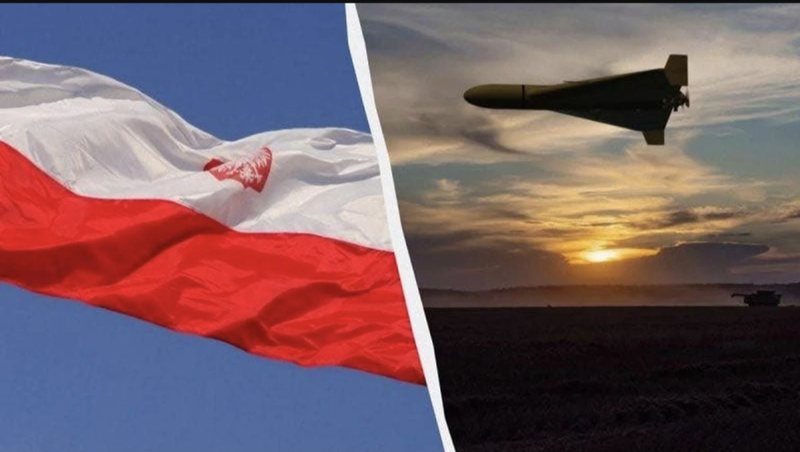
Poland's activation of Article 4 of the NATO Treaty marks a delicate moment in the security relationship between the Atlantic Alliance and Russia. After several drones entered Polish airspace during a massive airstrike on targets in Ukraine, the Polish government chose to activate the clause that provides for consultations between member states in the event of a threat to national security. Prime Minister Donald Tusk said he had taken the decision together with President Karol Nawrocki, calling the episode a "full-scale provocation" and calling for a coordinated response within the Alliance. But what exactly does this article offer, and how many times has it been activated in NATO's history?
Article 4 and Poland's move Article 4 of the North Atlantic Treaty, signed in 1949, allows a member country to request consultations with other allies when it perceives a threat to its territorial integrity, political independence or security. Unlike Article 5, which imposes an obligation for collective defence in the event of an armed attack on one of the members, Article 4 does not provide for an automatic response, but rather activates immediate dialogue between partners. It is therefore a diplomatic tool, used to address potentially serious situations before they escalate into conflict.
In the Polish case, the decision was prompted by the shooting down of drones that allegedly violated national airspace while flying towards targets in Ukraine as part of a large-scale Russian offensive. Warsaw interpreted these events as an escalation that justified official confrontation within NATO.
"We are taking the situation with the utmost seriousness," Tusk said, adding that the Polish government is preparing for "several scenarios." The activation of Article 4 does not necessarily entail immediate military consequences, but serves to alert the Alliance and bring a common front in critical situations, especially when the borders of NATO states are challenged, even indirectly.
Used occasionally
Historical precedent and frequency Article 4 has been used only sparingly throughout the history of the Atlantic Alliance, a testament to its exceptional nature.
Its first call dates back to 2003, when Turkey activated it in anticipation of the US invasion of Iraq, concerned about the potential repercussions on its territory. Turkey is also the country that has used it most frequently, with at least five formal activations, most notably in 2012 and 2015 in response to threats from Syria and the strengthening of the Islamic State along its southern borders.
In 2014, several Eastern European states, including Poland and the Baltic states, invoked Article 4 after Russia annexed Crimea. Two years earlier, in February 2022, the same article was invoked again after Russia began its invasion of Ukraine, an event that raised security concerns in countries closer to the conflict. In that case, the consultations led to a strengthening of defenses on NATO's eastern flank, but did not trigger Article 5.
In total, there have been eight Article 4 activations. Each time, it has had more political than operational significance. It serves to draw a red line, raise international attention, and gain support from allies, if only in terms of diplomatic visibility. Poland’s move therefore fits into this strategy of demonstrating transatlantic resolve and solidarity at a time when tensions between the West and Russia remain high and potentially volatile.
Happening now...











Molotov cocktail on Saturday, shopping on Thursday!
Nga Bato Kosova
ideas



top



Alfa recipes








services
- POLICE129
- STREET POLICE126
- AMBULANCE112
- FIREFIGHTER128