


FLASH NEWS
Iran War Analysis: How Artificial Intelligence is Changing the Battlefield

2026-03-13 22:57:59 / BOTA
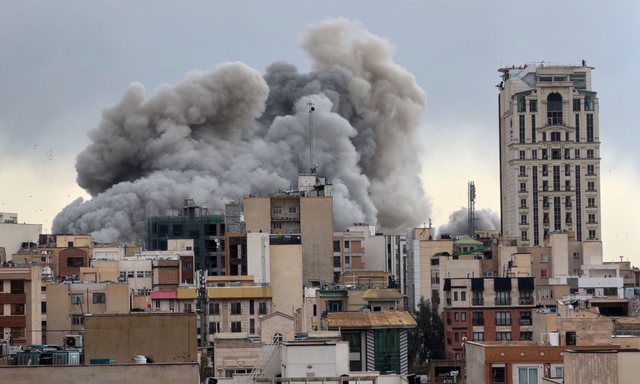
Artificial intelligence is being used on an unprecedented scale in the military operations of the United States and Israel against Iran, marking a new phase in the way modern warfare is conducted. According to analysts, the technology allows for the processing of large amounts of data and the rapid identification of military targets, but at the same time raises serious concerns about the safety of civilians and the accountability of decisions made on the ground.
As modern warfare analyst Noah Sylvia of the Royal United Services Institute in London points out to Der Spiegel, artificial intelligence is already being used in critical processes of military operations, from analyzing large databases to creating an operational picture and profiling targets. Modern systems collect information from satellites, drones, sensors and historical databases, transforming it into usable information for commanders in real time.
An important role is also played by the Project Maven system, associated with the American company Palantir Technologies, which allows the interconnection of large amounts of information even from older military intelligence systems. Through artificial intelligence tools, patterns and potential targets are identified, accelerating the analysis process.
A
typical example is the analysis of material collected by dozens of drones in the field of operations. Unmanned aircraft produce a large amount of video every hour, which would be almost impossible to analyze manually by humans. Artificial intelligence classifies the material, identifies suspicious movements and significantly speeds up the work of military analysts. The technology even allows information to be searched with natural language commands, such as requests to display certain incidents in a certain area and period.
However, it remains unclear to what extent these systems are directly involved in the process of selecting targets for attack. Specialized military media reports that thousands of targets have been hit in just one week, an operational scale considered unprecedented for modern American operations.
The use of artificial intelligence has also sparked strong debate after an attack on a girls' school in the city of Minab in Iran, where civilians lost their lives. Initial reports suggest that the incident may have been caused by the use of outdated data and not necessarily by a wrong decision by the artificial intelligence. According to experts, the final decision always remains in the hands of the humans analyzing the information.
Analysts warn that the high speed of operations can weaken the control and verification process. Artificial intelligence speeds up data analysis, but when decisions are made too quickly, the risk of using inaccurate or outdated information increases.
Experts also point out that current artificial intelligence systems are very effective at specific tasks, such as recognizing vehicles in video, but have major limitations in understanding complex situations. Furthermore, ethical and institutional issues also arise: the use of algorithmic suggestions in warfare requires transparency about how the systems work, what data they use, and what their limits are.
Another concern is the tendency of people to trust machine decisions more than human judgment, even though many systems operate as a “black box” and do not clearly explain the decision-making process. In this context, automated systems can create thousands of target profiles in a single day, increasing the risk of neglecting the legal and ethical parameters of military operations.
According to analysts, artificial intelligence does not determine the strategy of a war itself, but rather accelerates decisions that have already been made by military commanders. If a military is willing to take on more risk of civilian casualties or escalate a conflict, artificial intelligence tools can make this easier. Conversely, if used carefully, the technology can also contribute to reducing collateral damage. However, experts warn that the increasing automation of war could create a dangerous reality if technology advances faster than humans' ability to control it.
Happening now...












ideas



top




TRENDING 




services
- POLICE129
- STREET POLICE126
- AMBULANCE112
- FIREFIGHTER128