


FLASH NEWS
BB: Albanian children are not getting the opportunities to develop their full potential

2026-06-22 20:52:13 / EKONOMI&SOCIALE
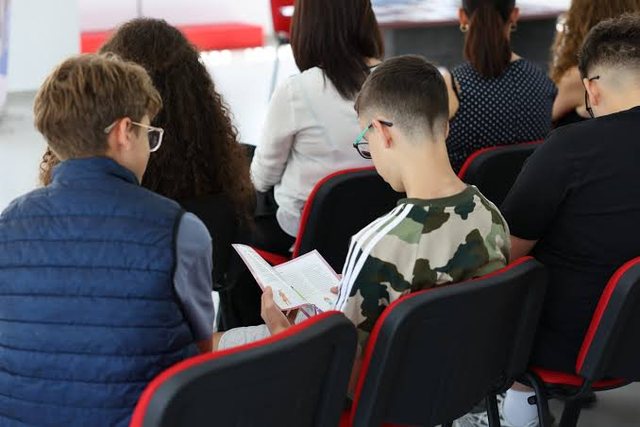
A child born in Albania today is likely to fall short of their full potential. According to the World Bank’s latest Human Capital Index report, they are expected to reach only 63% of the economic potential they would have if they had enjoyed full health and quality education throughout their childhood. In other words, the country is missing out on about 37% of the potential of the new generation due to shortcomings in human capital development.
The report assesses that Albania has made progress in several basic child health indicators. 99% of children survive to the age of 5, while 91% do not show growth retardation, an indicator related to nutrition and physical development in the first years of life.
However, the biggest challenge remains education. An Albanian child is expected to spend 13.2 years in school, but when the quality of learning is taken into account, these years translate into only 9.4 effective years of learning. This means that, although children remain in school for more than a decade, the knowledge and skills they acquire are lower than expected.
International testing results also reflect this reality. Albania scores 439 points on harmonized learning tests, an indicator that, according to the World Bank, shows that there is still considerable room for improving the quality of education.
World Bank experts emphasize that the first years of life are crucial for the development of the brain, cognitive and social skills. Therefore, investments in health care, nutrition, preschool education and the quality of education affect not only the well-being of children, but also the economic development of the country in the coming decades.
The report highlights that human capital is one of a country's most important assets. A generation with better education and better health is more productive, has more employment opportunities, earns more over its lifetime, and contributes more to the economy.
For the World Bank, improving these indicators is not only a social issue, but also an economic one. Every investment made in children today, from early childhood care to quality education and health services, translates into a stronger economy and a society with less inequality in the future./ EuronewsAlbania
Happening now...








Sali is gone, Rama is gone.
Nga Bato Kosova
ideas


top


Alfa recipes


TRENDING 



services
- POLICE129
- STREET POLICE126
- AMBULANCE112
- FIREFIGHTER128